Magazine · Magazine
The Role of Precious Metals in Crafting Luxury Timepieces
Precious metals have long been a staple in the world of watchmaking, adding a touch of luxury and elegance to timepieces. From gold and platinum to silver, these metals have played…
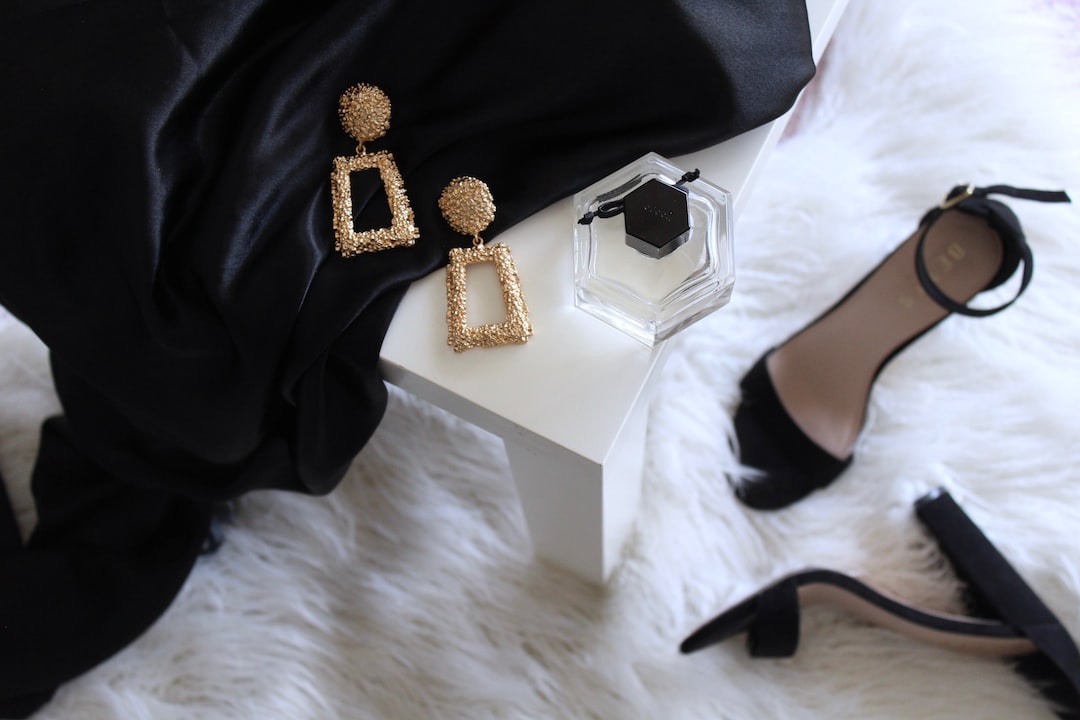
Precious metals have long been a staple in the world of watchmaking, adding a touch of luxury and elegance to timepieces. From gold and platinum to silver, these metals have played a significant role in the design and aesthetics of watches for centuries. Not only do they enhance the overall look of a watch, but they also hold great value and are considered a status symbol. In this article, we will explore the history, significance, and future of precious metals in watchmaking.
A Brief History of Precious Metals in Watchmaking
The use of precious metals in watchmaking can be traced back to the early days of horology. In the 16th century, gold was commonly used for watch cases due to its durability and resistance to corrosion. As watchmaking evolved, so did the use of precious metals. Silver became popular in the 18th century, known for its bright and lustrous appearance. Platinum, on the other hand, gained popularity in the 20th century for its strength and resistance to wear.
Why Precious Metals are Coveted in Luxury Timepieces
Precious metals are highly coveted in luxury timepieces for several reasons. Firstly, they serve as a status symbol, representing wealth and success. Owning a watch made from gold or platinum is seen as a symbol of prestige and luxury. Secondly, precious metals are rare and exclusive, making them highly desirable among collectors and enthusiasts. The limited availability of these metals adds to their allure and increases their value over time. Lastly, precious metals hold investment value. Unlike other materials that may depreciate in value over time, gold, platinum, and silver tend to retain or increase their worth.
The Significance of Gold, Platinum, and Silver in Watch Design
Each precious metal used in watch design has its own unique characteristics and properties that make it suitable for different purposes. Gold is known for its malleability, allowing it to be shaped and engraved with intricate designs. It is also highly resistant to tarnish and corrosion, making it a durable choice for watch cases. Platinum, on the other hand, is incredibly strong and dense, making it ideal for watch cases that require extra durability. Silver, with its bright and reflective surface, adds a touch of elegance to watch dials and accents.
The Role of Precious Metals in Enhancing Watch Aesthetics
One of the main reasons why precious metals are used in watchmaking is their ability to enhance the overall look and aesthetics of a timepiece. The warm tones of gold and the cool hues of platinum and silver add depth and richness to the design. These metals can be polished to a high shine or brushed for a more subdued look, allowing for endless possibilities in watch design. From classic and timeless designs to modern and avant-garde styles, precious metals can be used to create watches that cater to different tastes and preferences.
The Importance of Precious Metal Quality in Watchmaking
The quality of precious metals used in watchmaking plays a crucial role in the overall quality of the watch. High-quality metals ensure that the watch will withstand the test of time and maintain its value. Inferior metals may tarnish or corrode over time, affecting the appearance and functionality of the watch. Therefore, it is important for watchmakers to source their precious metals from reputable suppliers who adhere to strict quality standards.
Precious Metals and Watch Durability
While precious metals add a touch of luxury to watches, they also have an impact on their durability. Gold, platinum, and silver are all highly resistant to corrosion and wear, making them suitable for everyday use. However, it is important to note that softer metals like gold may be more prone to scratches and dents compared to harder metals like platinum. Watchmakers often take this into consideration when designing and crafting watches, ensuring that the chosen metal is appropriate for the intended use of the timepiece.
Precious Metals and Watch Value
The use of precious metals in watchmaking greatly affects the value of a timepiece. Gold, platinum, and silver are all considered valuable commodities, with prices that fluctuate based on market demand. The rarity and exclusivity of these metals add to their value, making watches made from them highly sought after by collectors and enthusiasts. Additionally, the craftsmanship and design of the watch also contribute to its value, with precious metals serving as a testament to the quality and luxury of the timepiece.
The Future of Precious Metals in Watchmaking
As watch design continues to evolve, so does the use of precious metals. While gold, platinum, and silver will always hold a special place in watchmaking, new materials and alloys are being introduced to create innovative and unique timepieces. For example, titanium has gained popularity in recent years for its lightweight and durable properties. Additionally, advancements in technology have allowed for the development of new coatings and finishes that mimic the look of precious metals, providing more options for watchmakers and consumers.
Precious Metals and Watch Customization
Precious metals offer endless possibilities for customization in watch design. From engraving intricate patterns on gold cases to setting diamonds on platinum bezels, these metals can be transformed into personalized works of art. Many luxury watch brands offer customization services, allowing customers to create one-of-a-kind timepieces that reflect their individual style and taste. Whether it’s adding a personal engraving or choosing a unique combination of metals and gemstones, precious metals provide a canvas for creativity and self-expression.
The Environmental Impact of Precious Metals in Watchmaking
While precious metals are highly valued in watchmaking, their extraction and refining processes can have a significant impact on the environment. Mining for gold, platinum, and silver often involves the use of chemicals and heavy machinery, which can lead to deforestation, soil erosion, and water pollution. Additionally, the refining process requires large amounts of energy and produces greenhouse gas emissions. However, many watchmakers are taking steps to reduce their environmental footprint by sourcing their metals from responsible suppliers and implementing sustainable practices in their manufacturing processes.
In conclusion, precious metals play a vital role in the world of watchmaking. From their historical significance to their impact on watch aesthetics and value, gold, platinum, and silver have become synonymous with luxury and elegance. As watch design continues to evolve, so does the use of precious metals, with new materials and customization options being introduced. While the environmental impact of precious metals cannot be ignored, efforts are being made to reduce their footprint and promote sustainability in the industry. Ultimately, the allure of precious metals in watchmaking will continue to captivate collectors and enthusiasts for generations to come.
More in
More from Magazine
Magazine · 28 min
Luxury Wedding Planning: The Ultimate Guide
Luxury wedding planning guide: top destination venues, couture bridal designers, Michelin catering, headline entertainment and elite planners for a fl…

Magazine · 29 min
Luxury Wine & Spirits Collecting: The Complete Guide
Luxury wine and spirits collecting guide: how to evaluate investment-grade Bordeaux, Burgundy, Champagne and rare whisky, plus auctions, storage and r…
Magazine · 32 min
Luxury Fashion: The Complete Style Guide
The complete luxury fashion style guide: bespoke tailoring, haute couture, heritage maisons like Hermes and Chanel, 2026 trends, investment bags and s…