Magazine · Magazine
The World of Luxury Children’s Fashion
Luxury children’s fashion refers to high-end clothing and accessories designed specifically for children. It is a niche market within the fashion industry that caters to pare…
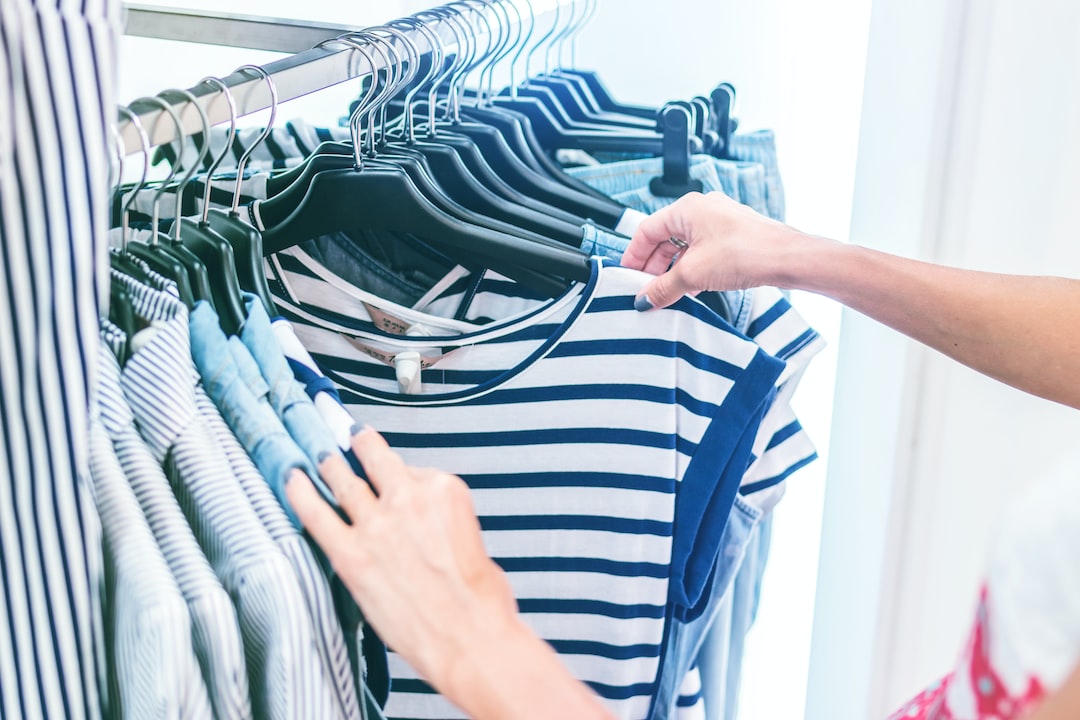
Luxury children’s fashion refers to high-end clothing and accessories designed specifically for children. It is a niche market within the fashion industry that caters to parents who want their children to dress in stylish and sophisticated outfits. Luxury children’s fashion brands offer a wide range of clothing options, from formal wear for special occasions to everyday casual wear.
Luxury children’s fashion matters because it allows parents to express their personal style and taste through their children’s clothing. It also provides an opportunity for children to develop their own sense of style and creativity from a young age. Additionally, luxury children’s fashion brands often prioritize quality and craftsmanship, ensuring that the clothing is durable and made to last. This not only benefits the child wearing the clothes but also promotes sustainability by reducing the need for frequent replacements.
The Evolution of Children’s Fashion
Children’s fashion has evolved significantly over time. In the past, children’s clothing was primarily functional and practical, with little emphasis on style or design. Children were often dressed in simple, modest garments that were easy to clean and maintain.
However, as society became more affluent and fashion became more accessible, children’s fashion began to change. In the 18th and 19th centuries, children’s clothing started to reflect the styles and trends of adult fashion. Children were dressed in miniature versions of adult clothing, complete with intricate details and embellishments.
In the 20th century, children’s fashion became more influenced by popular culture and media. The rise of mass production allowed for affordable and trendy clothing options for children. Children’s fashion began to reflect the changing times, with styles ranging from the flapper dresses of the 1920s to the mini skirts of the 1960s.
The Rise of Luxury Children’s Fashion Brands
In recent years, there has been a significant rise in luxury children’s fashion brands. These brands cater to parents who want their children to dress in high-quality, stylish clothing. Luxury children’s fashion brands often offer unique and exclusive designs that are not readily available in mainstream stores.
Some examples of luxury children’s fashion brands include Gucci Kids, Burberry Kids, and Dolce & Gabbana Junior. These brands offer a wide range of clothing options, from designer dresses and suits to luxury accessories such as shoes and handbags.
The rise of luxury children’s fashion brands can be attributed to several factors. Firstly, there is a growing demand from parents who want their children to dress in fashionable and sophisticated outfits. Parents are increasingly willing to invest in high-quality clothing for their children, viewing it as an investment in their child’s appearance and self-esteem.
Secondly, the rise of social media has played a significant role in the popularity of luxury children’s fashion brands. Parents often share photos of their children dressed in designer outfits on platforms such as Instagram, creating a desire for others to replicate the same stylish looks for their own children.
The Importance of Quality in Luxury Children’s Fashion
Quality is a crucial aspect of luxury children’s fashion. Parents who invest in luxury clothing for their children expect it to be durable, well-made, and able to withstand the wear and tear of everyday life. Quality clothing not only lasts longer but also provides better comfort and fit for the child.
In luxury children’s fashion, quality is often reflected in the choice of materials used and the attention to detail in the construction of the garments. Luxury brands often use high-quality fabrics such as silk, cashmere, and organic cotton, which are soft and comfortable against the child’s skin.
Additionally, luxury children’s fashion brands prioritize craftsmanship and ensure that each garment is made with precision and care. This attention to detail is evident in the stitching, finishing, and overall construction of the clothing. By investing in quality clothing, parents can ensure that their children are dressed in garments that not only look good but also feel good to wear.
The Role of Sustainability in Luxury Children’s Fashion
Sustainability is an increasingly important factor in luxury children’s fashion. As consumers become more conscious of the environmental impact of the fashion industry, there is a growing demand for sustainable and ethically produced clothing.
Sustainable luxury children’s fashion brands prioritize environmentally friendly practices throughout their supply chain. This includes using organic and natural materials, reducing waste and pollution, and ensuring fair labor practices. By choosing sustainable luxury children’s fashion brands, parents can contribute to a more sustainable future for their children.
Some examples of sustainable luxury children’s fashion brands include Stella McCartney Kids, Petit Bateau, and Bobo Choses. These brands use organic and recycled materials, minimize waste through responsible production methods, and support fair trade practices.
The Impact of Social Media on Luxury Children’s Fashion
Social media has had a significant impact on luxury children’s fashion. Platforms such as Instagram have become a popular space for parents to showcase their children’s stylish outfits and gain inspiration from others.
Social media influencers, particularly those who focus on parenting and children’s fashion, have played a crucial role in shaping trends and promoting luxury children’s fashion brands. These influencers often collaborate with brands to create content featuring their products, which can significantly increase brand visibility and desirability.
For example, the Kardashian-Jenner family has been influential in promoting luxury children’s fashion brands such as Balmain Kids and Fendi Kids. Their social media presence has helped popularize these brands among their millions of followers.
The Latest Trends in Luxury Children’s Fashion
Luxury children’s fashion is not immune to trends. Just like adult fashion, there are always new styles and designs emerging in the world of children’s clothing. Some current trends in luxury children’s fashion include:
1. Mini-me: This trend involves dressing children in miniature versions of adult outfits. It allows parents and children to coordinate their looks and create a cohesive family style.
2. Gender-neutral clothing: There is a growing demand for gender-neutral clothing that can be worn by both boys and girls. This trend promotes inclusivity and allows children to express their individuality without conforming to traditional gender norms.
3. Sustainable fashion: As mentioned earlier, sustainability is a significant trend in luxury children’s fashion. Brands are increasingly using organic and recycled materials, as well as implementing eco-friendly production methods.
4. Statement accessories: Accessories such as hats, bags, and shoes are becoming more prominent in luxury children’s fashion. These statement pieces can elevate a simple outfit and add a touch of style and personality.
The Dos and Don’ts of Dressing Your Child in Luxury Fashion
When dressing your child in luxury fashion, there are some dos and don’ts to keep in mind:
Dos:
– Choose clothing that is comfortable and allows for ease of movement.
– Consider the occasion and dress your child accordingly. Formal events may require more sophisticated outfits, while casual outings can be more relaxed.
– Pay attention to the fit of the clothing. Ill-fitting garments can be uncomfortable for the child and may not look as stylish.
– Coordinate your child’s outfit with the rest of the family’s style, if desired.
– Have fun with accessories and allow your child to express their own sense of style.
Don’ts:
– Don’t prioritize style over comfort. It’s important for children to feel comfortable in their clothing.
– Don’t dress your child in clothing that is too mature or inappropriate for their age.
– Avoid excessive branding or logos. Luxury fashion is often characterized by subtle branding rather than overt logos.
– Don’t overspend on clothing that your child will quickly outgrow. Consider investing in key pieces that can be worn for multiple seasons.
The Future of Luxury Children’s Fashion
The future of luxury children’s fashion is likely to be influenced by several factors. Firstly, sustainability will continue to be a significant focus, with more brands adopting eco-friendly practices and materials. Consumers are becoming increasingly conscious of the environmental impact of the fashion industry and are demanding more sustainable options for their children.
Secondly, inclusivity and diversity will play a crucial role in shaping the future of luxury children’s fashion. Brands that embrace diversity in their designs and marketing will resonate with a wider range of consumers. Gender-neutral clothing and inclusive sizing options are likely to become more prevalent.
Lastly, technology will continue to shape the future of luxury children’s fashion. Virtual reality and augmented reality technologies may allow parents and children to virtually try on clothing before making a purchase. Additionally, advancements in fabric technology may lead to innovative materials that are both sustainable and durable.
Why Luxury Children’s Fashion Matters
In conclusion, luxury children’s fashion matters because it allows parents to express their personal style and taste through their children’s clothing. It provides an opportunity for children to develop their own sense of style and creativity from a young age. Luxury children’s fashion brands prioritize quality and craftsmanship, ensuring that the clothing is durable and made to last.
Sustainability is an increasingly important factor in luxury children’s fashion, as consumers become more conscious of the environmental impact of the fashion industry. Social media has had a significant impact on luxury children’s fashion, with influencers playing a crucial role in shaping trends and promoting brands.
The future of luxury children’s fashion is likely to be influenced by sustainability, inclusivity, and technology. As consumers become more conscious of the environmental impact of the fashion industry, there is a growing demand for sustainable and ethically produced clothing. Inclusivity and diversity will play a crucial role in shaping the future of luxury children’s fashion, with brands that embrace diversity resonating with a wider range of consumers. Technology will continue to shape the future of luxury children’s fashion, with advancements in virtual reality, augmented reality, and fabric technology.
More in
More from Magazine
Magazine · 28 min
Luxury Wedding Planning: The Ultimate Guide
Luxury wedding planning guide: top destination venues, couture bridal designers, Michelin catering, headline entertainment and elite planners for a fl…

Magazine · 29 min
Luxury Wine & Spirits Collecting: The Complete Guide
Luxury wine and spirits collecting guide: how to evaluate investment-grade Bordeaux, Burgundy, Champagne and rare whisky, plus auctions, storage and r…
Magazine · 32 min
Luxury Fashion: The Complete Style Guide
The complete luxury fashion style guide: bespoke tailoring, haute couture, heritage maisons like Hermes and Chanel, 2026 trends, investment bags and s…