Tokyo’s Luxury Fashion Scene and Its Global Influence
Tokyo, the bustling capital city of Japan, is renowned for its vibrant and diverse fashion scene. From luxury department stores to avant-garde street style, Tokyo has become a glob…
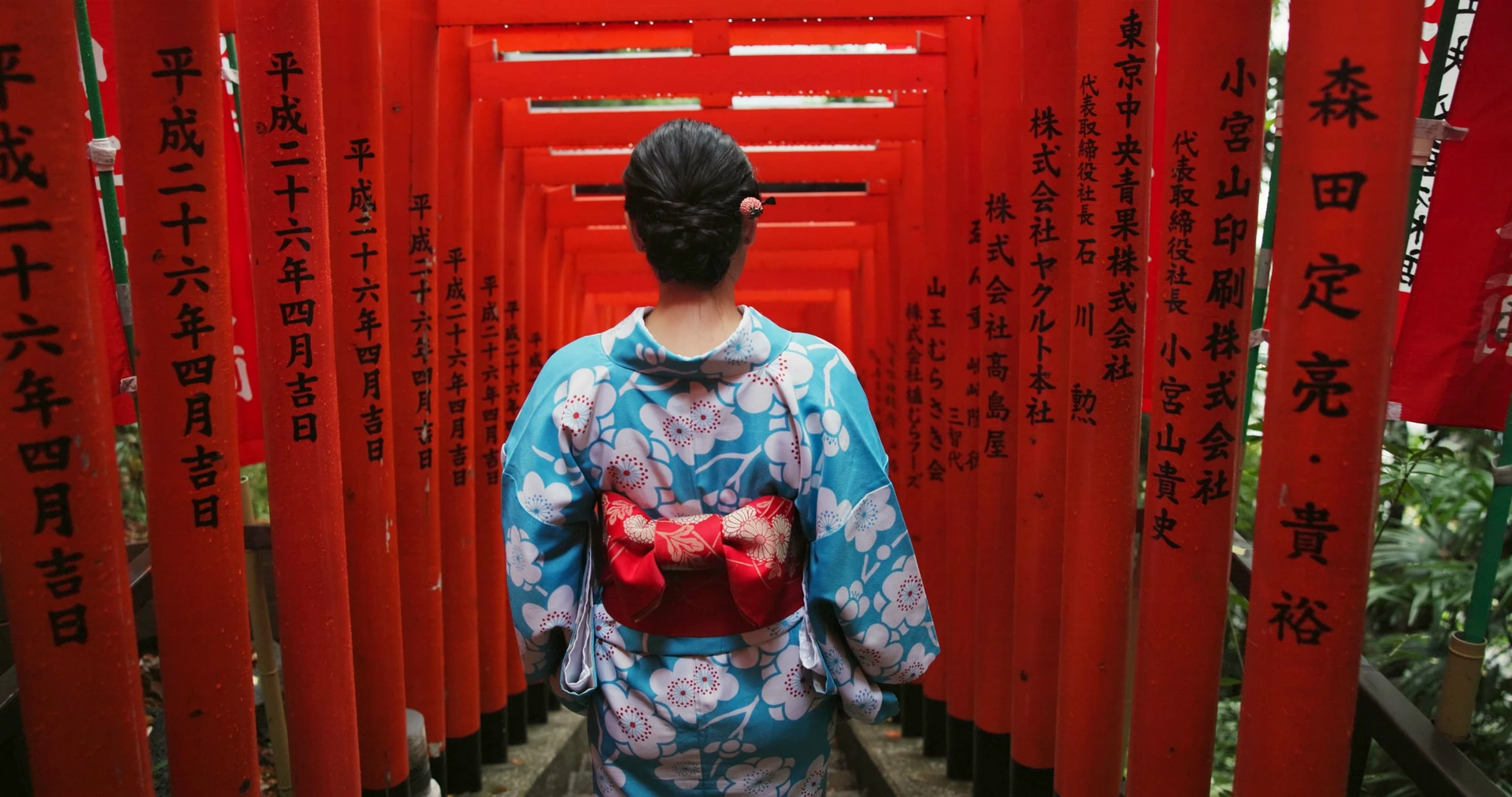
Tokyo, the bustling capital city of Japan, is renowned for its vibrant and diverse fashion scene. From luxury department stores to avant-garde street style, Tokyo has become a global fashion capital that attracts fashion enthusiasts from all over the world. In this article, we will delve into the emergence of Tokyo as a fashion capital, the influence of Japanese designers on the global market, the role of luxury department stores, the impact of Japanese street style, Tokyo Fashion Week, the intersection of technology and fashion, sustainability and ethical fashion, the influence of Japanese culture on fashion design, and the future of Tokyo’s luxury fashion scene in the post-pandemic world.
The Emergence of Tokyo as a Global Fashion Capital
Tokyo’s fashion industry has a rich historical background that dates back to the early 20th century. After World War II, Japan experienced a period of rapid economic growth known as the “Japanese economic miracle.” This economic boom led to an increase in disposable income and a desire for luxury goods among the Japanese population. As a result, Tokyo became a hub for luxury fashion brands and department stores.
Several factors contributed to Tokyo’s rise as a fashion capital. One key factor was the emergence of Japanese designers who gained international recognition for their unique design aesthetics. Designers like Yohji Yamamoto, Rei Kawakubo, and Issey Miyake challenged traditional notions of beauty and pushed boundaries with their avant-garde designs. Their innovative approach to fashion captivated audiences worldwide and put Tokyo on the map as a center for cutting-edge design.
Japanese Fashion Designers Making Waves in the Global Market
Japanese fashion designers have made a significant impact on the global market with their distinctive design aesthetics and contributions to the fashion industry. Yohji Yamamoto is known for his avant-garde designs that often feature asymmetry and deconstructed silhouettes. Rei Kawakubo’s brand Comme des Garçons is renowned for its unconventional and conceptual designs. Issey Miyake is celebrated for his innovative use of fabric and technology, creating garments that are both functional and artistic.
These designers have not only influenced the fashion industry with their unique designs but have also paved the way for other Japanese designers to gain recognition on the global stage. Junya Watanabe, Sacai, and Undercover are just a few examples of Japanese brands that have gained international acclaim for their innovative designs and craftsmanship.
The Role of Luxury Department Stores in Tokyo’s Fashion Scene
Luxury department stores play a crucial role in Tokyo’s fashion scene. These iconic establishments not only offer a wide range of luxury brands but also provide a unique shopping experience that is unparalleled. Stores like Mitsukoshi, Isetan, and Takashimaya are known for their exquisite displays, impeccable service, and curated selection of high-end fashion.
Luxury department stores in Tokyo have a significant influence on the fashion industry. They often collaborate with designers to create exclusive collections or host fashion shows and events to showcase the latest trends. These collaborations and events attract fashion enthusiasts and industry professionals from around the world, further solidifying Tokyo’s reputation as a global fashion capital.
The Influence of Japanese Street Style on Global Fashion Trends
Japanese street style has had a profound impact on global fashion trends. Harajuku, a neighborhood in Tokyo, is particularly famous for its unique street style subcultures. From the colorful and playful Lolita fashion to the edgy and rebellious punk-inspired looks, Harajuku has become a hub for fashion experimentation and self-expression.
Japanese street style has evolved over the years, influenced by various subcultures and trends. In the 1990s, the “Ganguro” style emerged, characterized by dark tans, bleached hair, and colorful clothing. In recent years, the “Decora” style, which features excessive layering and accessories, has gained popularity.
Tokyo’s Fashion Week: A Platform for Emerging and Established Designers
Tokyo Fashion Week is a biannual event that showcases the latest collections from both emerging and established designers. The event attracts fashion industry professionals, buyers, and media from around the world, providing a platform for Japanese designers to gain exposure and expand their global reach.
Tokyo Fashion Week is known for its diverse range of designers and styles. From avant-garde and experimental designs to minimalist and understated aesthetics, the event offers a glimpse into the rich and varied fashion landscape of Tokyo. It also serves as a breeding ground for emerging talent, with many designers launching their careers at Tokyo Fashion Week.
The Intersection of Technology and Fashion in Tokyo
Tokyo is at the forefront of integrating technology into the fashion industry. From wearable tech to digital fashion shows, the city embraces innovation and pushes boundaries when it comes to the intersection of technology and fashion.
One example of innovative fashion technology in Tokyo is the use of augmented reality (AR) in retail. Some luxury stores in Tokyo have implemented AR mirrors that allow customers to virtually try on clothes without physically changing. This not only enhances the shopping experience but also reduces waste by eliminating the need for excessive garment handling.
Sustainability and Ethical Fashion in Tokyo’s Luxury Scene
Sustainability and ethical fashion have become increasingly important in Tokyo’s luxury fashion scene. Many luxury brands in Tokyo are prioritizing sustainable practices, such as using organic or recycled materials, reducing waste in production, and implementing fair labor practices.
Brands like Sacai and Comme des Garçons have been recognized for their commitment to sustainability. Sacai collaborates with artisans in Japan to create unique pieces using traditional techniques, while Comme des Garçons has launched a sustainable line called “Comme des Garçons Good Design Shop” that focuses on upcycling and repurposing materials.
The Impact of Japanese Culture on Fashion Design
Japanese culture has had a profound influence on fashion design, both in Japan and globally. Traditional Japanese elements such as kimono-inspired silhouettes, origami-like folds, and intricate embroidery have been incorporated into contemporary fashion designs.
Japanese designers often draw inspiration from their cultural heritage, infusing their collections with a sense of tradition and craftsmanship. This fusion of traditional and modern elements creates a unique aesthetic that sets Japanese fashion apart.
Tokyo’s Luxury Fashion Scene in the Post-Pandemic World
The COVID-19 pandemic has undoubtedly had a significant impact on Tokyo’s luxury fashion scene. With travel restrictions and social distancing measures in place, the industry has faced challenges in terms of sales, events, and international collaborations.
However, Tokyo’s fashion industry has shown resilience and adaptability during these challenging times. Many brands have shifted their focus to e-commerce and digital platforms to reach customers. Virtual fashion shows and presentations have become the new norm, allowing designers to showcase their collections to a global audience.
Tokyo’s luxury fashion scene is a vibrant and dynamic landscape that continues to captivate fashion enthusiasts from around the world. From avant-garde designs by Japanese designers to the unique street style of Harajuku, Tokyo offers a diverse range of fashion experiences. The city’s luxury department stores, fashion week events, integration of technology, commitment to sustainability, and incorporation of Japanese culture all contribute to its status as a global fashion capital.
For fashion enthusiasts looking for inspiration and innovation, Tokyo is a must-visit destination. Whether exploring the luxury boutiques of Ginza or immersing oneself in the vibrant street style of Harajuku, Tokyo offers a unique and unforgettable fashion experience. So pack your bags and get ready to discover the wonders of Tokyo’s luxury fashion scene.
More from Magazine
Luxury Wedding Planning: The Ultimate Guide
Luxury wedding planning guide: top destination venues, couture bridal designers, Michelin catering, headline entertainment and elite planners for a fl…
Luxury Wine & Spirits Collecting: The Complete Guide
Luxury wine and spirits collecting guide: how to evaluate investment-grade Bordeaux, Burgundy, Champagne and rare whisky, plus auctions, storage and r…
Luxury Fashion: The Complete Style Guide
The complete luxury fashion style guide: bespoke tailoring, haute couture, heritage maisons like Hermes and Chanel, 2026 trends, investment bags and s…