Magazine · Magazine
Top 7 Bespoke Shoe Designers for the Discerning
Bespoke shoes are a true luxury item, crafted specifically for an individual’s unique feet and style. The term “bespoke” comes from the word “bespeak,”…
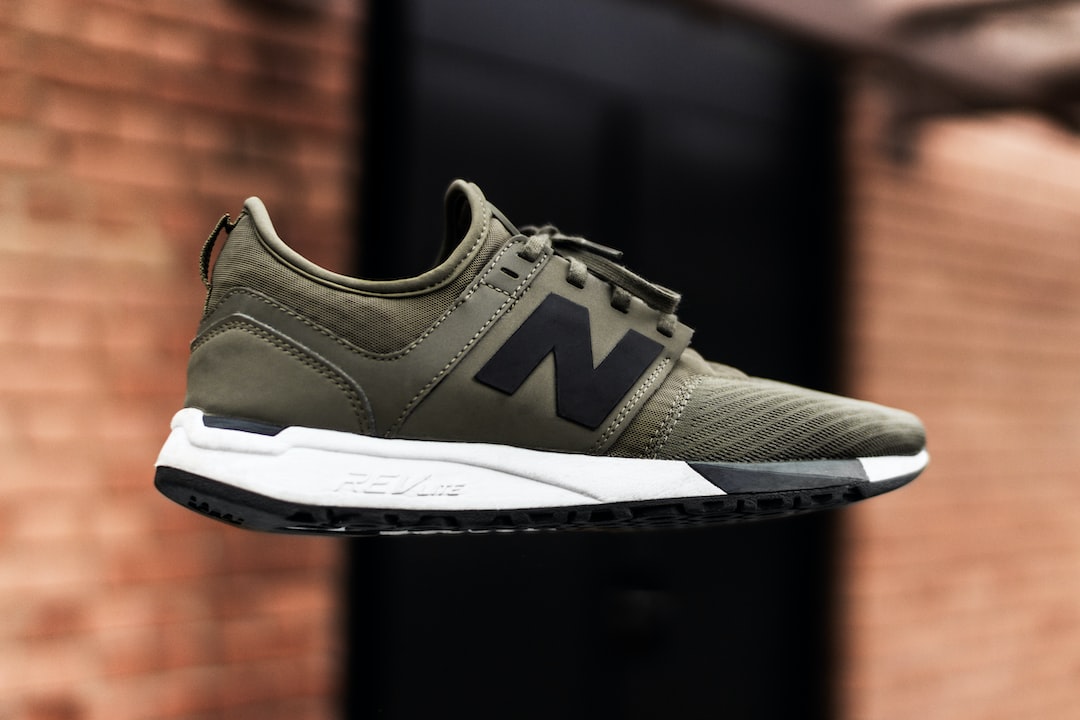
Bespoke shoes are a true luxury item, crafted specifically for an individual’s unique feet and style. The term “bespoke” comes from the word “bespeak,” which means to order or commission something to be made. In the world of shoes, bespoke refers to the process of creating custom-made footwear that is tailored to the exact specifications and preferences of the wearer.
The history of bespoke shoe design can be traced back centuries, with roots in traditional craftsmanship and artisanal techniques. In the past, shoemakers would create shoes by hand, using only the finest materials and paying meticulous attention to detail. These skilled craftsmen would work closely with their clients to ensure a perfect fit and create shoes that were not only functional but also works of art.
What makes bespoke shoes unique?
What sets bespoke shoes apart from mass-produced footwear is the level of customization, quality of materials, and craftsmanship involved in their creation.
Customization options: When ordering bespoke shoes, clients have the opportunity to choose every aspect of their footwear, from the type of leather or fabric used to the color, style, and detailing. This level of customization allows individuals to create shoes that truly reflect their personal style and preferences.
Quality of materials and craftsmanship: Bespoke shoe designers source only the finest materials for their creations. From high-quality leather to exotic skins, every component is carefully selected for its durability, comfort, and aesthetic appeal. Additionally, the craftsmanship involved in creating bespoke shoes is unparalleled. Each pair is meticulously crafted by hand, ensuring attention to detail and a level of quality that cannot be replicated by mass production.
Perfect fit: One of the most significant advantages of bespoke shoes is their ability to provide a perfect fit. Unlike off-the-shelf footwear, which often requires breaking in or uncomfortable adjustments, bespoke shoes are made specifically for an individual’s feet. Measurements are taken, and patterns are created to ensure that the shoes fit like a glove, providing unparalleled comfort and support.
Criteria for selecting the best bespoke shoe designers
When selecting a bespoke shoe designer, there are several criteria to consider to ensure that you are working with the best in the industry.
Reputation and experience: Look for designers with a strong reputation and extensive experience in the field. A well-established bespoke shoe designer will have a track record of creating exceptional footwear and satisfied clients.
Portfolio of previous work: Take the time to review a designer’s portfolio of previous work. This will give you an idea of their style, craftsmanship, and attention to detail. Look for consistency in quality and a range of designs that align with your personal taste.
Customer reviews and testimonials: Reading reviews and testimonials from previous clients can provide valuable insights into a designer’s professionalism, communication skills, and overall customer satisfaction. Look for designers who have consistently positive feedback from their clients.
The art of handmade bespoke shoes
Creating bespoke shoes is a true art form that requires skill, precision, and patience. The process begins with taking detailed measurements of the client’s feet to ensure a perfect fit. These measurements are then used to create custom patterns that will serve as the blueprint for the shoes.
Once the patterns are finalized, the shoemaker carefully selects the materials to be used. High-quality leather is often the material of choice, as it offers durability, flexibility, and breathability. Exotic skins such as alligator or ostrich may also be used for a more luxurious look.
The shoemaker then cuts the leather or skin according to the patterns and begins the process of hand-stitching the various components together. This requires great skill and attention to detail, as each stitch must be precise and secure.
The top 7 bespoke shoe designers in the world
1. John Lobb: Established in 1849, John Lobb is one of the most renowned bespoke shoe designers in the world. Known for their exceptional craftsmanship and attention to detail, John Lobb shoes are a favorite among discerning gentlemen.
2. Berluti: Founded in 1895, Berluti is a French luxury brand that specializes in bespoke shoes. Their unique patina technique, which involves hand-painting the leather to create a rich and vibrant color, sets them apart from other designers.
3. Gaziano & Girling: Founded by Tony Gaziano and Dean Girling in 2006, Gaziano & Girling is a British shoemaker known for their innovative designs and impeccable craftsmanship. Their shoes are handcrafted using traditional techniques and feature unique details such as hand-stitched soles and hand-painted patinas.
4. Stefano Bemer: Stefano Bemer was an Italian shoemaker known for his exceptional skill and craftsmanship. Although he passed away in 2012, his legacy lives on through the brand that bears his name. Stefano Bemer shoes are handmade in Florence, Italy, using traditional techniques and the finest materials.
5. Edward Green: Established in 1890, Edward Green is a British shoemaker known for their classic and timeless designs. Each pair of Edward Green shoes is meticulously crafted by hand in their Northampton workshop, ensuring the highest level of quality and attention to detail.
6. Cleverley: George Cleverley is a British shoemaker with a rich history dating back to 1958. Their bespoke shoes are known for their elegant and refined designs, as well as their exceptional fit and comfort.
7. Foster & Son: Foster & Son is one of the oldest bespoke shoe companies in the world, with a history dating back to 1840. Their shoes are handmade in London using traditional techniques and the finest materials, resulting in footwear that is both stylish and comfortable.
The design philosophy of each bespoke shoe designer
Each bespoke shoe designer has their own unique approach to design, drawing inspiration from various sources and influences.
John Lobb: John Lobb’s design philosophy is rooted in tradition and timeless elegance. Their shoes are known for their classic and understated designs, with a focus on quality materials and impeccable craftsmanship.
Berluti: Berluti takes a more artistic approach to design, often incorporating bold colors and unique patinas into their creations. Their shoes are known for their distinctive aesthetic and attention to detail.
Gaziano & Girling: Gaziano & Girling’s design philosophy is characterized by innovation and creativity. They are known for pushing the boundaries of traditional shoemaking, incorporating unique details and modern elements into their designs.
Stefano Bemer: Stefano Bemer believed in creating shoes that were both beautiful and functional. His designs were characterized by clean lines, elegant shapes, and a focus on comfort and fit.
Edward Green: Edward Green’s design philosophy is rooted in British heritage and craftsmanship. Their shoes are known for their classic and timeless designs, with a focus on quality materials and attention to detail.
Cleverley: Cleverley’s design philosophy is characterized by elegance and refinement. Their shoes are known for their sleek and sophisticated designs, with a focus on comfort and fit.
Foster & Son: Foster & Son’s design philosophy is rooted in tradition and craftsmanship. Their shoes are known for their classic and timeless designs, with a focus on quality materials and attention to detail.
Materials used by bespoke shoe designers
Bespoke shoe designers use only the finest materials in the creation of their footwear, ensuring durability, comfort, and aesthetic appeal.
High-quality leather: Leather is the most commonly used material in bespoke shoe design. It offers durability, flexibility, breathability, and a natural beauty that improves with age. Different types of leather may be used, depending on the desired look and feel of the shoes.
Exotic skins: Some bespoke shoe designers also work with exotic skins such as alligator, crocodile, or ostrich. These skins offer a luxurious and unique look, with their distinctive patterns and textures.
Sustainability: Many bespoke shoe designers are also committed to using sustainable materials and practices. This includes sourcing leather from ethical suppliers and using environmentally friendly tanning processes.
The bespoke shoe industry and its growth
The bespoke shoe industry has experienced significant growth in recent years, driven by a growing demand for personalized and high-quality footwear.
Current state of the industry: The bespoke shoe industry is thriving, with an increasing number of individuals seeking out custom-made footwear. This is due in part to a growing appreciation for craftsmanship and a desire for unique and personalized products.
Future projections: The future of the bespoke shoe industry looks promising, with continued growth expected. As more individuals become aware of the benefits of bespoke shoes, demand is likely to increase. Additionally, advancements in technology may further enhance the design and production process, making bespoke shoes more accessible to a wider audience.
How to order bespoke shoes
Ordering bespoke shoes is a unique and personalized experience that involves several steps.
1. Research: Start by researching different bespoke shoe designers to find one that aligns with your style and preferences. Look at their portfolios, read customer reviews, and consider their reputation and experience.
2. Consultation: Once you have chosen a designer, schedule a consultation to discuss your requirements and preferences. This may involve taking measurements of your feet, discussing design options, and selecting materials.
3. Design process: After the initial consultation, the designer will create custom patterns based on your measurements and design preferences. This may involve multiple fittings and adjustments to ensure a perfect fit.
4. Production: Once the patterns are finalized, the shoemaker will begin the process of handcrafting your shoes. This involves cutting the leather or skin, stitching the various components together, and adding any desired details or embellishments.
5. Fitting and adjustments: Once the shoes are complete, you will have a fitting to ensure that they fit perfectly. Any necessary adjustments can be made at this stage to ensure maximum comfort and fit.
The future of bespoke shoe design
The future of bespoke shoe design is an exciting one, with emerging trends and advancements in technology shaping the industry.
Emerging trends: One emerging trend in bespoke shoe design is the use of sustainable materials and practices. As consumers become more conscious of their environmental impact, there is a growing demand for footwear that is both luxurious and eco-friendly.
Technology: Advancements in technology are also likely to impact the bespoke shoe industry. 3D scanning and printing technology, for example, may streamline the measurement and production process, making bespoke shoes more accessible and affordable.
Conclusion:
Bespoke shoes are a true luxury item, offering unparalleled customization, quality, and fit. The art of handmade bespoke shoes is rooted in tradition and craftsmanship, with skilled shoemakers creating footwear that is both functional and beautiful. When selecting a bespoke shoe designer, it is important to consider their reputation, experience, portfolio of previous work, and customer reviews.
The top bespoke shoe designers in the world each have their own unique design philosophy and approach to craftsmanship. They use only the finest materials, including high-quality leather and exotic skins, to create footwear that is both stylish and durable. The bespoke shoe industry is currently experiencing growth, with a promising future ahead. Advancements in technology may further enhance the design and production process, making bespoke shoes more accessible to a wider audience.
Investing in bespoke shoes is not only a way to express personal style but also a way to support traditional craftsmanship and ensure a perfect fit. With their timeless designs and exceptional quality, bespoke shoes are an investment that will last for years to come. As the industry continues to evolve, the future of bespoke shoe design looks bright, with emerging trends and advancements in technology shaping the way we create and wear footwear.
More in
More from Magazine
Magazine · 28 min
Luxury Wedding Planning: The Ultimate Guide
Luxury wedding planning guide: top destination venues, couture bridal designers, Michelin catering, headline entertainment and elite planners for a fl…

Magazine · 29 min
Luxury Wine & Spirits Collecting: The Complete Guide
Luxury wine and spirits collecting guide: how to evaluate investment-grade Bordeaux, Burgundy, Champagne and rare whisky, plus auctions, storage and r…
Magazine · 32 min
Luxury Fashion: The Complete Style Guide
The complete luxury fashion style guide: bespoke tailoring, haute couture, heritage maisons like Hermes and Chanel, 2026 trends, investment bags and s…