Travel · Travel
Unique Northern Lights Experiences: A Guide to Seeing the Einzigartige Nordlichter
The Northern Lights, also known as the Aurora Borealis, are a breathtaking natural phenomenon that occurs in the polar regions of the Earth. They are caused by the interaction betw…
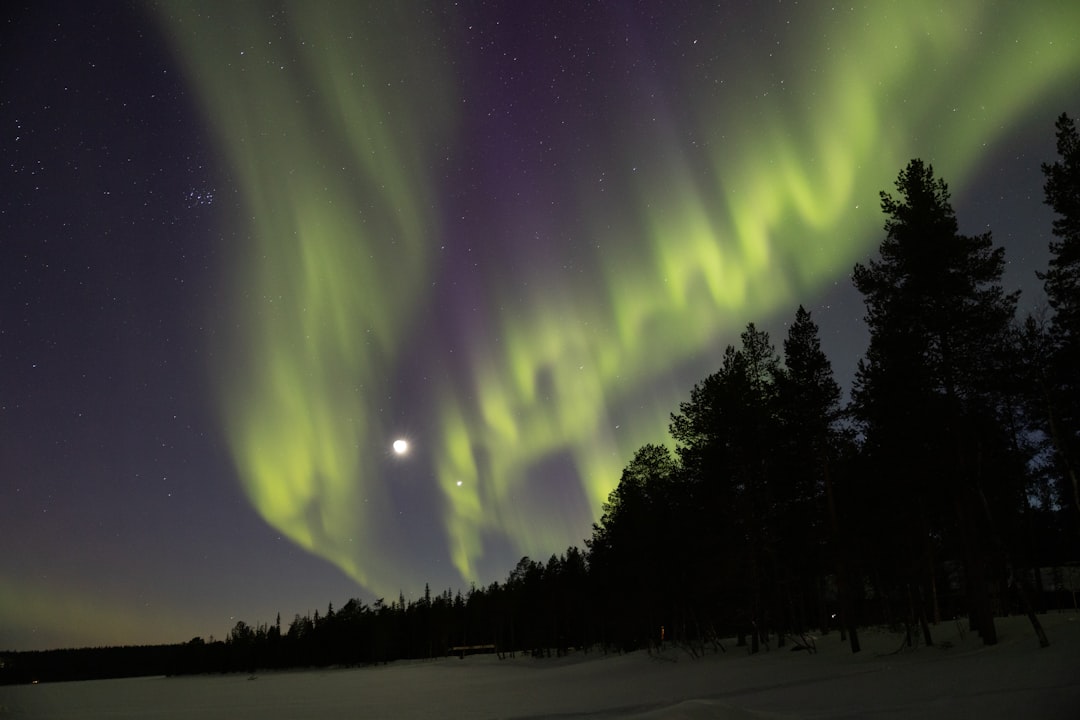
The Northern Lights, also known as the Aurora Borealis, are a breathtaking natural phenomenon that occurs in the polar regions of the Earth. They are caused by the interaction between charged particles from the sun and the Earth’s magnetic field. When these particles collide with atoms and molecules in the Earth’s atmosphere, they emit light of various colors, creating a stunning display of dancing lights in the sky.
The Aurora Borealis has captivated people for centuries, with its beauty and mystery. In ancient times, it was believed to be a sign from the gods or spirits. Different cultures have their own myths and legends surrounding the Northern Lights, adding to its historical and cultural significance. Today, the Northern Lights continue to inspire awe and wonder, attracting travelers from around the world who want to witness this natural spectacle firsthand.
Key Takeaways
- The Northern Lights are a natural phenomenon that occur in the polar regions.
- The best time to see the Northern Lights is during the winter months, from September to April.
- The top Northern Lights destinations include Norway, Iceland, Finland, Sweden, and Canada.
- Tips for a successful viewing experience include finding a dark location, checking the weather forecast, and being patient.
- Photography tips for capturing the Northern Lights include using a tripod, a wide-angle lens, and a high ISO setting.
The Best Time to See the Northern Lights: Planning Your Trip
The visibility of the Northern Lights is influenced by several factors, including solar activity, weather conditions, and light pollution. The best time of year to see the Aurora Borealis is during the winter months when nights are longer and darker. This is because the darkness provides a better backdrop for the lights to shine brightly in the sky.
The peak season for viewing the Northern Lights is typically from September to March, with December and January being particularly popular months. During this time, there are more hours of darkness and higher chances of clear skies. However, it’s important to note that even during the peak season, sightings are not guaranteed as they depend on solar activity and weather conditions.
To plan your trip for optimal viewing, it’s recommended to choose a destination that is located within or near the Arctic Circle. These regions have a higher chance of experiencing the Northern Lights due to their proximity to the Earth’s magnetic poles. Additionally, it’s advisable to check the weather forecast and solar activity predictions before your trip to increase your chances of seeing the Aurora Borealis.
The Top Northern Lights Destinations: Where to Go
There are several destinations around the world that offer excellent opportunities to see the Northern Lights. Each location has its own unique features and pros and cons.
One of the most popular destinations for viewing the Aurora Borealis is Iceland. The country’s remote and untouched landscapes provide a stunning backdrop for the lights. Additionally, Iceland offers a range of activities such as glacier hikes, hot springs, and ice caves, making it a great destination for adventure seekers.
Another top destination is Tromsø, Norway. Located in the Arctic Circle, Tromsø is known for its clear skies and frequent Northern Lights sightings. The city also offers a range of winter activities such as dog sledding and snowmobiling, allowing visitors to have a truly immersive experience.
Other notable destinations include Fairbanks, Alaska; Yellowknife, Canada; and Abisko, Sweden. These locations are known for their high chances of Northern Lights sightings and offer a range of activities and accommodations for visitors.
Chasing the Northern Lights: Tips for a Successful Viewing Experience
While seeing the Northern Lights is a magical experience, it’s important to note that sightings are not guaranteed. However, there are several tips and tricks that can increase your chances of witnessing this natural wonder.
Firstly, it’s important to choose a location with minimal light pollution. Light pollution from cities and towns can hinder visibility of the Aurora Borealis. Opting for remote areas or national parks will provide darker skies and better viewing conditions.
Secondly, it’s advisable to stay up late or wake up early to increase your chances of seeing the Northern Lights. The lights are typically more active during the late evening or early morning hours. Patience is key when chasing the Aurora Borealis as they can appear suddenly and disappear just as quickly.
Lastly, it’s recommended to stay updated on solar activity and weather conditions. Solar activity, measured by the Kp index, determines the strength and visibility of the Northern Lights. Checking the Kp index and weather forecast before your trip will help you plan your viewing times and locations accordingly.
When preparing for a Northern Lights viewing experience, it’s important to dress appropriately for the cold weather. Layering your clothing is key to staying warm and comfortable. It’s also advisable to bring a thermos with hot drinks and snacks to keep yourself nourished during long hours of waiting.
Safety precautions should also be taken while chasing the Northern Lights. It’s important to inform someone of your plans and expected return time. Additionally, it’s advisable to bring a GPS device or map in case you get lost in remote areas. Lastly, it’s important to be aware of your surroundings and avoid venturing onto frozen lakes or rivers unless it is deemed safe by local authorities.
Capturing the Northern Lights: Photography Tips and Techniques
Photographing the Northern Lights can be a challenging yet rewarding experience. To capture stunning photos of the Aurora Borealis, it’s important to have the right equipment and knowledge of camera settings.
Firstly, it’s recommended to use a DSLR or mirrorless camera with manual settings. These types of cameras allow for more control over exposure and focus, which is crucial when photographing the Northern Lights.
When it comes to camera settings, it’s advisable to shoot in manual mode. Start by setting your ISO to a high value, such as 800 or 1600, to capture more light. Next, set your aperture to a low value, such as f/2.8 or f/4, to let in more light. Lastly, set your shutter speed to a few seconds or longer, depending on the brightness of the lights.
It’s also important to use a sturdy tripod to keep your camera steady during long exposures. This will help prevent blurry photos caused by camera shake. Additionally, using a remote shutter release or the camera’s self-timer function can further reduce camera shake.
In terms of composition, it’s recommended to include interesting foreground elements in your photos to add depth and context. This could be a mountain, a tree, or even a person. Experimenting with different angles and perspectives can also result in unique and captivating photos.
After capturing your Northern Lights photos, it’s important to edit them to bring out the colors and details. Adjusting the exposure, contrast, and saturation can help enhance the vibrancy of the lights. It’s also advisable to shoot in RAW format to have more flexibility during post-processing.
Unconventional Northern Lights Experiences: Snowmobiling, Dog Sledding, and More
While witnessing the Northern Lights is a remarkable experience on its own, there are also alternative ways to enjoy this natural wonder. Many Northern Lights destinations offer a range of activities that allow visitors to have a unique and immersive experience.
One popular activity is snowmobiling. Riding a snowmobile through snowy landscapes under the dancing lights of the Aurora Borealis is an exhilarating experience. It allows visitors to explore remote areas and witness the lights from different vantage points.
Another popular activity is dog sledding. Being pulled by a team of huskies through snow-covered forests while the Northern Lights illuminate the sky is a truly magical experience. Dog sledding tours often include stops for hot drinks and snacks, allowing visitors to warm up and take in the beauty of their surroundings.
Other unconventional experiences include ice fishing, reindeer sledding, and ice climbing. These activities provide a unique perspective on the Northern Lights and allow visitors to engage with the local culture and environment.
While these activities offer unforgettable experiences, it’s important to consider their pros and cons. Some activities may require physical exertion or have age restrictions, so it’s important to check the requirements before booking. Additionally, it’s advisable to choose reputable tour operators that prioritize safety and sustainability.
Northern Lights Tours: Guided Excursions for an Unforgettable Experience
For those who prefer a hassle-free and guided experience, Northern Lights tours are a great option. These tours are designed to maximize your chances of seeing the Aurora Borealis and provide a range of additional benefits.
One of the main benefits of taking a guided Northern Lights tour is the expertise of the guides. They are knowledgeable about the best viewing locations, weather conditions, and solar activity predictions. They can also provide insights into the cultural significance of the Northern Lights and share interesting facts and stories.
Guided tours also take care of all the logistics, including transportation, accommodation, and meals. This allows visitors to relax and focus on enjoying the experience without having to worry about the details. Additionally, some tours offer additional activities such as snowmobiling or dog sledding, providing a well-rounded experience.
There are several popular Northern Lights tour companies that offer a range of options to suit different preferences and budgets. Some companies specialize in small group tours, providing a more intimate and personalized experience. Others offer luxury tours with exclusive accommodations and additional amenities.
When choosing a Northern Lights tour, it’s important to consider factors such as group size, itinerary, and reputation of the company. Reading reviews and testimonials from previous customers can provide valuable insights into the quality of the tour.
Aurora Hunting: How to Spot the Northern Lights on Your Own
While guided tours offer convenience and expertise, some travelers prefer to spot the Northern Lights on their own. Aurora hunting allows for more flexibility and freedom to explore different locations and chase the lights at your own pace.
To spot the Northern Lights without a guide, it’s important to choose a location with minimal light pollution and clear skies. Remote areas or national parks are ideal for this purpose. It’s also advisable to check the weather forecast and solar activity predictions before heading out.
When Aurora hunting, it’s recommended to find a comfortable spot with a clear view of the sky. This could be a hilltop, a beach, or even your own backyard. It’s important to give yourself enough time to adjust to the darkness and allow your eyes to adapt.
Patience is key when Aurora hunting as the lights can appear suddenly and disappear just as quickly. It’s advisable to stay up late or wake up early to increase your chances of seeing the Northern Lights. Additionally, it’s important to be aware of your surroundings and avoid venturing into unsafe or unfamiliar areas.
Safety precautions should also be taken when Aurora hunting. It’s important to inform someone of your plans and expected return time. Additionally, it’s advisable to bring a GPS device or map in case you get lost in remote areas. Lastly, it’s important to dress appropriately for the cold weather and bring necessary supplies such as food, water, and warm clothing.
Northern Lights Myths and Legends: The Cultural Significance of the Aurora Borealis
The Northern Lights have long been a source of fascination and wonder, leading to the development of various myths and legends across different cultures. These stories provide insight into the cultural significance and interpretation of the Aurora Borealis.
In Norse mythology, the Northern Lights were believed to be reflections from the shields of the Valkyries as they led fallen warriors to Valhalla. The lights were seen as a sign of honor and bravery in battle.
In Finnish mythology, the Northern Lights were believed to be caused by a mystical creature called the Firefox. The Firefox was said to run so fast across the snow that its tail created sparks in the sky, resulting in the Aurora Borealis.
In Native American cultures, the Northern Lights were often associated with spirits and the afterlife. They were seen as a bridge between the physical and spiritual realms, connecting the living with their ancestors.
Today, the Northern Lights continue to hold cultural significance and inspire awe and wonder. They are often depicted in art, literature, and music, adding to their modern-day significance in popular culture.
Northern Lights Conservation: Protecting the Natural Wonder for Future Generations
As the popularity of the Northern Lights continues to grow, it’s important to consider the impact of tourism on this natural wonder. Increased tourism can lead to environmental degradation, light pollution, and disturbance to local ecosystems.
Efforts are being made to conserve and protect the Aurora Borealis for future generations. This includes implementing sustainable tourism practices, promoting responsible viewing behavior, and raising awareness about the importance of preserving this natural phenomenon.
Travelers can also play a role in conserving the Northern Lights by practicing responsible tourism. This includes following designated trails and paths, respecting wildlife and local communities, and minimizing waste and pollution.
Additionally, supporting local conservation organizations and initiatives can contribute to the preservation of the Aurora Borealis. Donating to or volunteering with organizations that work towards protecting the environment can make a positive impact.
In conclusion, the Northern Lights are a natural phenomenon that continues to captivate people around the world. Planning a trip to see the Aurora Borealis requires careful consideration of factors such as visibility, timing, and location. Whether you choose to go on a guided tour or spot the lights on your own, witnessing this natural wonder is an unforgettable experience. It’s important to approach Northern Lights viewing with patience, preparedness, and respect for the environment. By doing so, we can ensure that future generations will have the opportunity to witness the beauty of the Aurora Borealis.
More in
More from Travel
Travel · 28 min
Private Aviation & Jet Charter: The Complete Guide
Private jet charter guide: compare aircraft types, hourly costs from $1,800, charter vs. fractional vs. ownership, jet cards, top operators, FBOs and …
Travel · 41 min
The World’s Most Exclusive Luxury Hotels: The Complete Guide
Discover the world’s most exclusive luxury hotels, from €25,000 Paris palaces and private Maldives islands to Serengeti safari lodges and iconic…
Travel · 12 min
The Complete Guide to Luxury Travel: From Private Jets to Hidden Gems
What Defines Luxury Travel in 2026 Luxury travel in 2026 is no longer defined by thread count and champagne alone. Today’s affluent traveler dem…