WATERlife BLUE Sparkling: Filtered, Sparkling Water on Tap. An Answer to Mallorca's Hard Water
Mallorca's tap water is among the hardest and most chlorinated in Spain. The compact WATERlife BLUE Sparkling countertop system turns it into soft, fresh water, still or sparkling, at the push of a button.
Anyone living on Mallorca, owning a holiday home there or spending extended periods on the island soon notices that the tap water behaves differently from the mainland. Limescale in the kettle and coffee machine, a distinct smell of chlorine and, near the coast, a slightly salty aftertaste are part of daily life for many households. This is no coincidence but a direct consequence of the island's geology and water supply. A compact countertop system that dispenses filtered water still, sparkling, chilled and hot at the push of a button offers a practical answer to a very local problem.
Why Mallorca's Tap Water Is a Challenge
Mallorca sits on largely limestone ground. As it travels through the porous rock, the water absorbs high levels of calcium and magnesium, making it one of the hardest in Spain. Hard water is not a health concern, but it leaves limescale deposits, can shorten the lifespan of household appliances and alters the taste of coffee, tea and food.
On top of this comes relatively strong chlorination. In the warm island climate, drinking water must be disinfected thoroughly to remain safe as it travels through the distribution network. This necessary chlorine protects health but noticeably shapes the water's smell and taste. A third factor is salinity: during the high season, groundwater levels drop and seawater can seep into coastal aquifers, while the island increasingly relies on seawater desalination. The combination of hardness, chlorine and salt explains why many island households prefer to treat their water before drinking it.
Membrane Filtration and UV Sterilisation
The most effective response to hardness, chlorine and salt is membrane filtration. Water is pressed under pressure through a semi-permeable membrane whose pores are so fine that essentially only water molecules pass through. Dissolved salts, limescale, chlorine, heavy metals, bacteria and particles are held back and flushed out with the wastewater. What remains is soft, clear and taste-neutral water.
In the WATERlife BLUE Sparkling, this process is complemented by UV sterilisation, which acts against microorganisms without the use of chemicals. An integrated Aqua-Stop function adds further safety by protecting against unintended water leakage. Several stages therefore work together to reliably correct the characteristics typical of the island's tap water.
WATERlife BLUE Sparkling: A Compact Countertop System
The WATERlife BLUE Sparkling countertop system is a compact unit that simply sits on the worktop and connects to the water supply, without any major kitchen conversion. Its matte-white housing with a backlit "Sparkling" touch panel is deliberately understated and is operated via sensor controls. A single appliance thus replaces bottled water, a soda maker, a kettle and the fridge carafe.
Still, Sparkling, Chilled, Hot: and Ice Cubes on Demand
The real convenience lies in its versatility. At the push of a button, the BLUE Sparkling provides:
- still, filtered and soft water for drinking and cooking
- sparkling water with carbonation for those who enjoy bubbles
- chilled water for hot island days
- hot water for tea, infusions and baby food
- ice cubes from the very same unit
A single system covers almost every household need, from the morning coffee to a chilled sparkling glass on the terrace in the evening.
No More Carrying Cases and Plastic Bottles
For many households on Mallorca, drinking water has so far meant hauling heavy cases of bottles from the supermarket, storing them and managing the returns. A countertop system removes that effort: the water comes filtered straight from the unit, with no transport, no single-use plastic and no need for storage.
Alongside the convenience comes the environmental benefit. Doing without bottled water reduces plastic waste and the emissions associated with bottling and transport. Over the years, the running costs of filtered water are also typically lower than those of continuously purchased bottled water.
What to Consider Before You Choose
Because hardness, chlorine and salt levels vary from area to area on Mallorca, an individual assessment is more meaningful than blanket recommendations. When choosing a system, consider the actual water quality at your address, the filtration stages, the maintenance involved, the available worktop space and the water options you will genuinely use. You can find information on the systems at waterlife.berlin.
Request a Free Water Consultation on Mallorca
WATERlife offers personal, on-site advice directly on Mallorca, including free consultation appointments. During the visit your tap water is analysed, and you learn, with no obligation, whether the BLUE Sparkling is a good fit for your household.
Arrange your appointment via WhatsApp on +49 171 50 200 57 or by email to info@waterlife.berlin.
More from Magazine
Luxury Wedding Planning: The Ultimate Guide
Luxury wedding planning guide: top destination venues, couture bridal designers, Michelin catering, headline entertainment and elite planners for a fl…
Luxury Wine & Spirits Collecting: The Complete Guide
Luxury wine and spirits collecting guide: how to evaluate investment-grade Bordeaux, Burgundy, Champagne and rare whisky, plus auctions, storage and r…
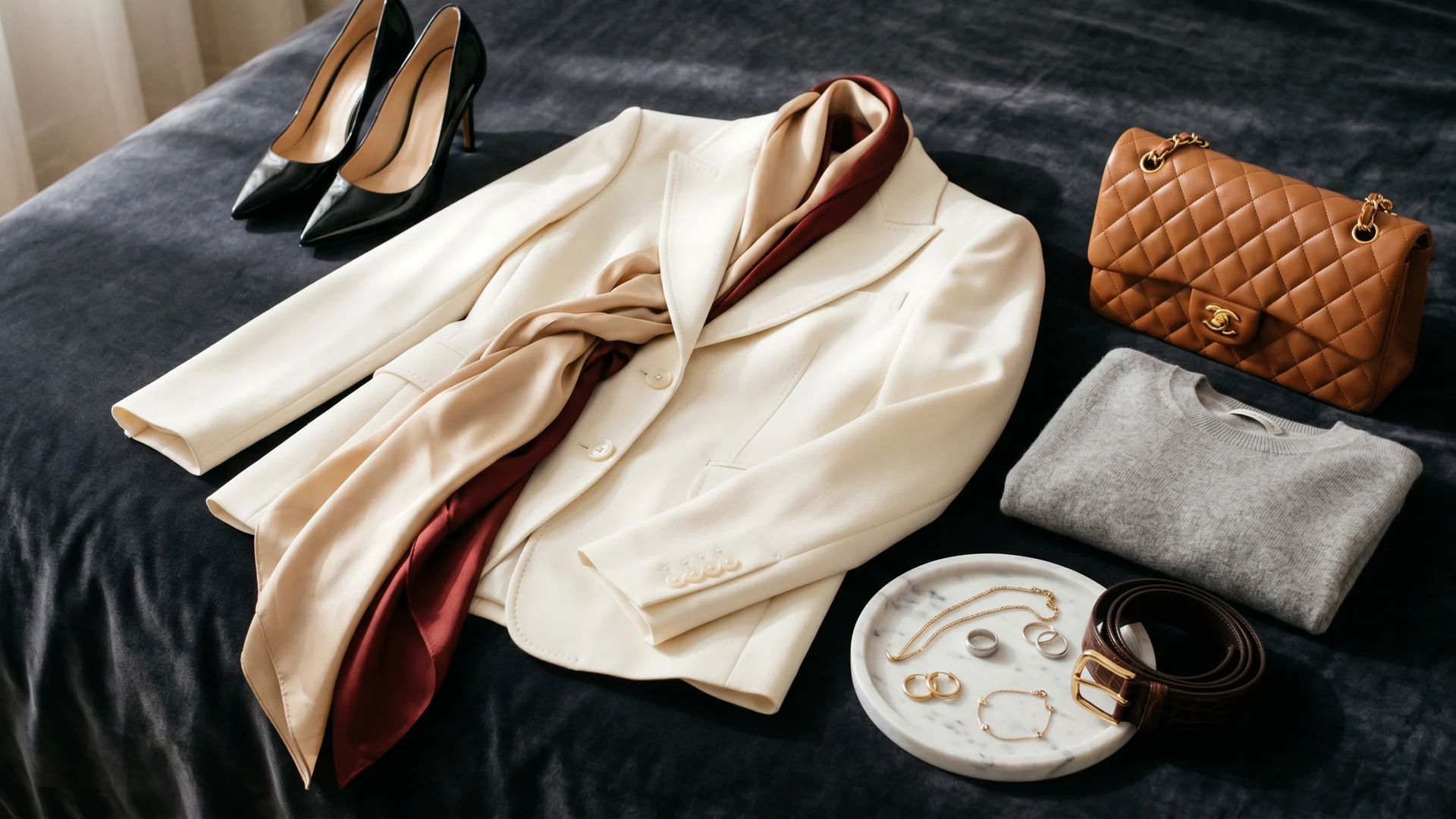
Luxury Fashion: The Complete Style Guide
The complete luxury fashion style guide: bespoke tailoring, haute couture, heritage maisons like Hermes and Chanel, 2026 trends, investment bags and s…