Crafting Beauty: The Art of Handmade Jewelry
Handmade jewelry is a form of artistic expression that has been around for centuries. It is defined as jewelry that is crafted by hand, using traditional techniques and tools, rath…
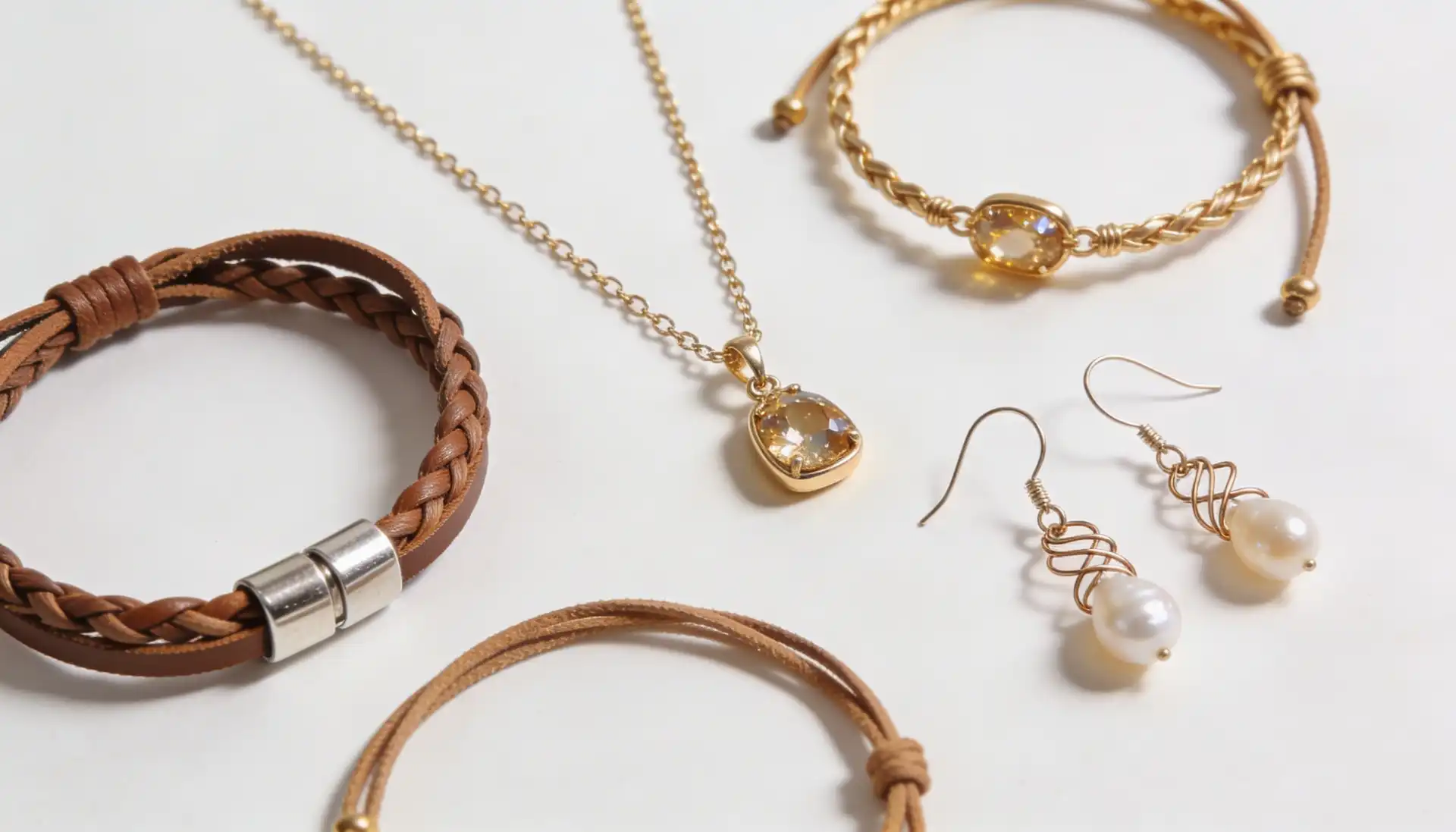
Handmade jewelry is a form of artistic expression that has been around for centuries. It is defined as jewelry that is crafted by hand, using traditional techniques and tools, rather than being mass-produced by machines. This art form has a rich history, dating back to ancient civilizations where jewelry was created as a symbol of status, wealth, and personal adornment.
Throughout history, handmade jewelry has played a significant role in various cultures and societies. It has been used to convey messages, tell stories, and celebrate important milestones. Today, handmade jewelry continues to be relevant and cherished for its unique beauty and craftsmanship.
Key Takeaways
- Handmade jewelry is a timeless art form that celebrates uniqueness and individuality.
- The art of jewelry making involves exploring various materials and techniques to create one-of-a-kind pieces.
- The creative process of handmade jewelry involves drawing inspiration from various sources and translating it into a tangible design.
- Color and texture play a significant role in handmade jewelry design, adding depth and dimension to each piece.
- Handmade jewelry is a fusion of fashion and artistry that holds cultural significance and supports local artisans and small businesses.
The Beauty of Handmade Jewelry: Uniqueness and Individuality
One of the most appealing aspects of handmade jewelry is its uniqueness and individuality. Unlike mass-produced jewelry, which is often made in large quantities and lacks character, handmade jewelry stands out for its one-of-a-kind designs and attention to detail.
Each piece of handmade jewelry is crafted with care and precision, resulting in a finished product that is truly special. The artisan’s personal touch can be seen in every curve, texture, and embellishment. This level of craftsmanship cannot be replicated by machines, making handmade jewelry a true work of art.
Furthermore, handmade jewelry allows individuals to express their own individuality. By wearing a piece of handmade jewelry, one can showcase their personal style and taste. Whether it’s a bold statement necklace or a delicate pair of earrings, handmade jewelry allows the wearer to stand out from the crowd and make a statement.
Materials and Techniques: Exploring the Art of Jewelry Making
Handmade jewelry can be created using a wide range of materials, including precious metals like gold and silver, gemstones, beads, and natural materials such as wood or shells. These materials are carefully selected for their quality and aesthetic appeal.
In addition to the materials used, the techniques employed in handmade jewelry making are also important. Artisans utilize various techniques such as wire wrapping, soldering, beading, and stone setting to bring their designs to life. These techniques require skill and expertise, and they contribute to the overall quality and durability of the piece.
The use of high-quality materials and techniques ensures that handmade jewelry is not only visually appealing but also built to last. Unlike mass-produced jewelry, which often lacks durability and longevity, handmade jewelry is made with the intention of being passed down through generations.
From Inspiration to Creation: The Creative Process of Handmade Jewelry
The creation of handmade jewelry begins with inspiration. Artisans draw inspiration from a variety of sources, including nature, art, culture, and personal experiences. They may find inspiration in the colors of a sunset, the patterns of a flower, or the textures of a landscape.
Once inspired, the artisan begins the process of bringing their vision to life. This involves sketching out designs, selecting materials, and experimenting with different techniques. The creative process is often iterative, with the artisan refining their design as they go along.
Once the design is finalized, the artisan begins crafting the piece by hand. This involves carefully shaping and manipulating the materials, soldering or attaching components together, and adding any desired embellishments. The process requires patience, precision, and attention to detail.
The Role of Color and Texture in Handmade Jewelry Design
Color and texture play a crucial role in the design of handmade jewelry. They can evoke different emotions and create a sense of depth and dimension in a piece.
Color can be used to convey a mood or make a statement. Bright and vibrant colors can create a sense of energy and excitement, while soft pastel hues can evoke a feeling of tranquility. Artisans carefully select gemstones or beads in various colors to achieve their desired aesthetic.
Texture adds another layer of visual interest to handmade jewelry. It can be created through the use of different materials, such as hammered metal or textured beads. Texture can give a piece a rustic or organic feel, or it can add a touch of elegance and sophistication.
The combination of color and texture in handmade jewelry allows the artisan to express their unique vision and create a piece that is visually captivating.
The Art of Handmade Jewelry: A Fusion of Fashion and Artistry
Handmade jewelry is a fusion of fashion and artistry. It combines the latest trends and styles with the creativity and craftsmanship of the artisan.
Fashion trends often influence the design of handmade jewelry. Artisans stay up to date with the latest fashion trends and incorporate them into their designs. This allows individuals to wear handmade jewelry that is not only unique but also on-trend.
At the same time, handmade jewelry is a form of artistic expression. Artisans use their creativity and skill to create pieces that are visually stunning and thought-provoking. They push the boundaries of traditional jewelry design, experimenting with new materials, techniques, and forms.
The fusion of fashion and artistry in handmade jewelry makes it a truly unique and captivating art form.
The Significance of Handmade Jewelry in Cultural Traditions
Handmade jewelry has deep cultural significance in many societies around the world. It is often used to celebrate important milestones, such as weddings, births, or religious ceremonies.
In some cultures, specific types of handmade jewelry are worn as symbols of status or wealth. For example, in ancient Egypt, gold jewelry was reserved for royalty and high-ranking officials. In India, brides wear intricate handmade jewelry as part of their wedding attire.
Handmade jewelry also carries symbolic meaning in many cultures. For example, in Native American culture, turquoise is believed to bring good fortune and protect against evil spirits. In Chinese culture, jade is considered a symbol of purity and wisdom.
Preserving cultural traditions through handmade jewelry is important for keeping these traditions alive and passing them down to future generations.
The Value of Handmade Jewelry: Supporting Local Artisans and Small Businesses
Buying handmade jewelry from local artisans and small businesses has numerous benefits. Firstly, it supports the livelihoods of these artisans, allowing them to continue practicing their craft and preserving traditional techniques.
Secondly, buying handmade jewelry supports local economies. When you purchase a piece of handmade jewelry, you are directly contributing to the local economy and helping to create jobs in your community.
Thirdly, buying handmade jewelry allows you to own a unique piece that is not mass-produced. It gives you the opportunity to support individual artists and wear a piece that reflects your personal style and values.
Lastly, buying handmade jewelry promotes ethical and sustainable practices. Many artisans prioritize using ethically sourced materials and environmentally friendly production methods. By supporting these artisans, you are contributing to a more sustainable and responsible fashion industry.
Caring for Handmade Jewelry: Tips for Preservation and Maintenance
Proper care and maintenance are essential for preserving the quality and longevity of handmade jewelry. Here are some tips to help you care for your handmade pieces:
1. Store your jewelry in a clean, dry place away from direct sunlight.
2. Avoid exposing your jewelry to harsh chemicals or abrasive materials.
3. Clean your jewelry regularly using a soft cloth or a mild soap solution.
4. Remove your jewelry before engaging in activities that may cause damage, such as swimming or exercising.
5. Have your jewelry professionally cleaned and inspected periodically to ensure its integrity.
By following these tips, you can ensure that your handmade jewelry remains beautiful and in good condition for years to come.
Handmade Jewelry as a Personal Statement: Expressing Your Style and Personality
Handmade jewelry offers individuals the opportunity to express their personal style and personality. By wearing a piece of handmade jewelry, you can make a statement about who you are and what you value.
Handmade jewelry allows you to showcase your individuality and stand out from the crowd. Whether you prefer bold and statement pieces or delicate and understated designs, there is a handmade piece out there that reflects your unique style.
Furthermore, handmade jewelry often carries an emotional connection for the wearer. It may be a piece that was passed down through generations, a gift from a loved one, or a piece that holds sentimental value. Wearing handmade jewelry can evoke memories and emotions, making it even more special.
Choosing handmade jewelry that reflects your values and beliefs is a powerful way to express yourself and make a statement. Whether you prioritize ethical sourcing, sustainability, or supporting local artisans, there is a handmade piece out there that aligns with your values.
In conclusion, handmade jewelry is a timeless art form that continues to captivate and inspire. Its uniqueness, individuality, and craftsmanship set it apart from mass-produced jewelry. Handmade jewelry allows individuals to express their personal style and make a statement. It carries cultural significance and preserves traditions. By supporting local artisans and small businesses, we contribute to the sustainability of the fashion industry. Handmade jewelry is not just an accessory; it is a form of artistic expression that allows us to connect with our own individuality and the world around us.
More from Jewelry
Luxury Bridal Jewelry & Engagement Rings: The Complete Guide
Luxury bridal jewelry and engagement ring guide: master the GIA 4Cs, designer maisons, colored gemstones, custom design, insurance, and insider buying…

Watch Collecting & Investment: The Complete Guide
Watch collecting and investment guide: how Rolex, Patek Philippe, Audemars Piguet and Richard Mille hold value, plus complications, auctions and 2026 …
Fine Jewelry as an Alternative Asset: The Complete Investment Guide
Why Fine Jewelry Is Emerging as a Serious Asset Class Fine jewelry has quietly transformed from a passion purchase into one of the most compelling alt…