Fine Jewelry as an Alternative Asset: The Complete Investment Guide
Why Fine Jewelry Is Emerging as a Serious Asset Class Fine jewelry has quietly transformed from a passion purchase into one of the most compelling alternative asset classes availab…
Why Fine Jewelry Is Emerging as a Serious Asset Class
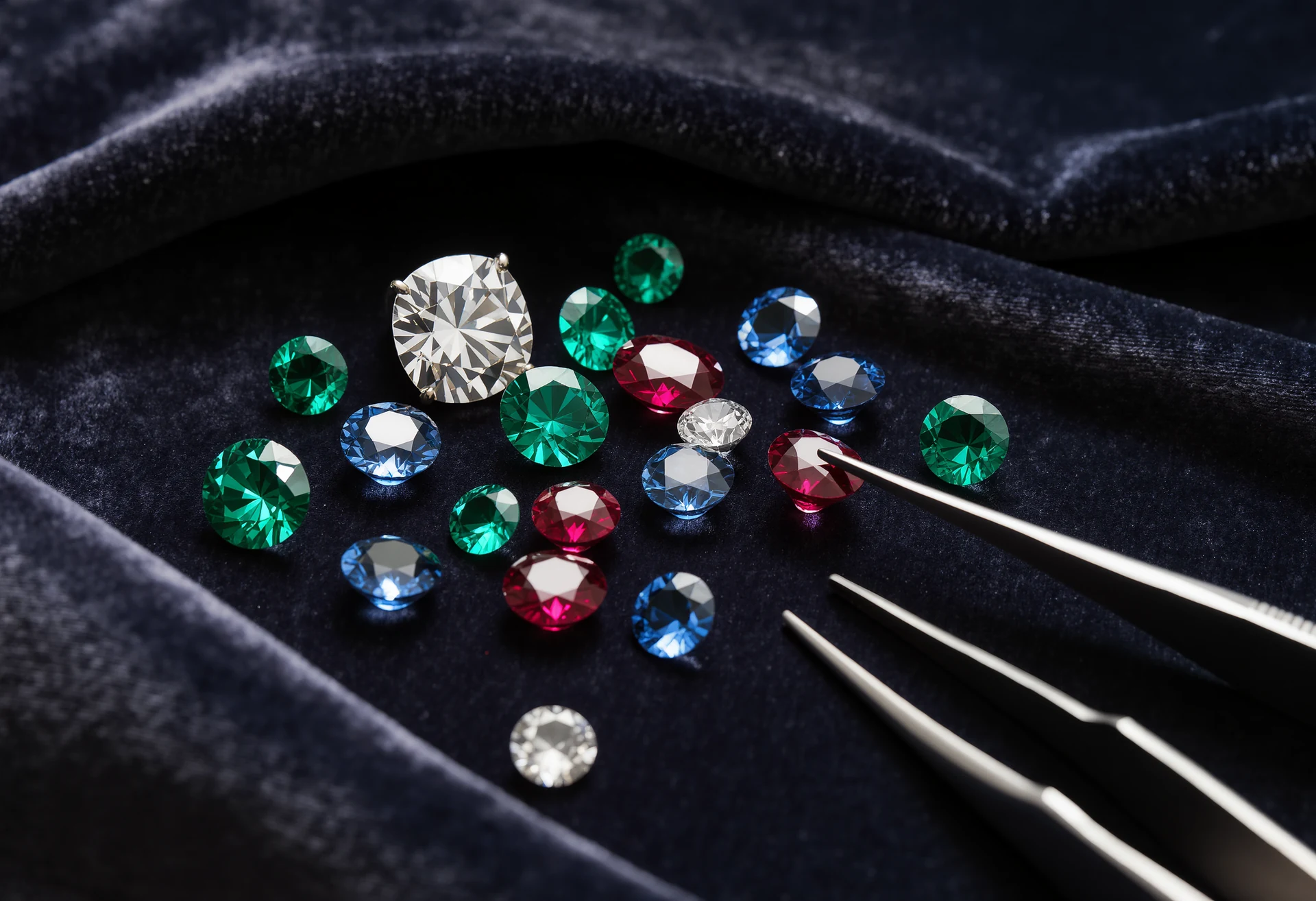
Fine jewelry has quietly transformed from a passion purchase into one of the most compelling alternative asset classes available to sophisticated investors. Unlike stocks, bonds, or real estate, investment-grade jewelry offers a rare combination of aesthetic pleasure, portability, and wealth preservation. Over the past decade, the market for exceptional pieces has seen consistent appreciation, with auction records broken year after year at Christie's and Sotheby's.
According to the Knight Frank Luxury Investment Index, fine jewelry has delivered annual returns of approximately 7bis9% over the past ten years, outperforming many traditional vehicles during periods of market volatility. Colored diamonds have shown extraordinary growth, fancy vivid blue diamonds have appreciated over 300% in two decades. Meanwhile, top-quality Burmese rubies and Kashmir sapphires have become rarer than ever, driving prices to unprecedented levels.
What's driving this surge? Global wealth creation in emerging markets has expanded the pool of high-net-worth individuals seeking tangible, portable stores of value. Inflation concerns push investors toward hard assets. And critically, the supply of truly exceptional gemstones is finite and shrinking, mines are depleting, and new discoveries are increasingly rare. Constrained supply meeting growing global demand creates a compelling investment thesis.
But jewelry investing is not for the uninformed. Unlike equities, every piece of jewelry is unique. Success requires knowledge, patience, and a willingness to learn a specialized market. This guide covers everything you need to approach fine jewelry as a serious alternative investment.
What Makes Jewelry Investment-Grade
Not all jewelry is created equal: the vast majority of retail pieces should not be considered investments. Understanding what separates investment-grade jewelry from mere adornment is the first step toward building a serious collection.
The Four Cs and Beyond
For diamonds, Cut, Color, Clarity, and Carat remain the valuation foundation. But investment-grade diamonds demand exceptional performance across every C, cut quality is especially critical. A poorly cut diamond, even with flawless clarity and D color, lacks the brilliance that commands premium resale prices. The cut is the only C controlled by human hands, and master craftsmanship is non-negotiable.
Beyond the Four Cs, provenance and certification play equally important roles. A diamond documented by a reputable laboratory such as the GIA adds measurable value. Stones with incomplete documentation trade at discounts of 30% or more relative to fully certified counterparts.
Colored Gemstones: The New Frontier
Colored gemstones are experiencing a renaissance among serious collectors. Here, color is king. For rubies, sapphires, and emeralds, hue, saturation, and tone outweigh all other factors. A vivid "pigeon's blood" ruby or "cornflower blue" sapphire commands multiples of stones with lesser color, even if larger or cleaner.
Origin is critical. A Burmese ruby, Kashmir sapphire, or Colombian emerald carries a geographic premium that can double or triple value. This is not mere tradition, gemological analysis shows certain regions produce stones with properties that cannot be replicated elsewhere.
Signed Pieces and Brand Value
Jewelry bearing the signature of a prestigious house: Cartier, Van Cleef & Arpels, Bulgari, Tiffany & Co. Harry Winston, carries a brand premium that compounds over time. Signed pieces from important periods like Art Deco Cartier or Retro-era Van Cleef have demonstrated remarkable price resilience. The signature guarantees design integrity, craftsmanship, and material quality that anonymous pieces cannot match.
Diamonds: The Traditional Store of Value
Diamonds have served as a store of value for centuries, and their investment role is well-established. But the market has evolved, and investors must understand new dynamics shaping valuations.
Natural vs Lab-Grown: The Investment Perspective
Lab-grown diamonds have fundamentally altered the landscape. From an investment standpoint, natural and lab-grown diamonds occupy entirely different categories. Lab-grown stones, while chemically identical to natural, lack the scarcity underpinning long-term appreciation. Their prices declined over 70% in five years as production improved, and this trend continues.
Natural diamonds benefit from a finite, shrinking supply. No major diamond mine has been discovered in over two decades. The Argyle mine, the world's primary pink diamond source, closed in 2020, sending pink diamond prices soaring. This supply dynamic creates a value floor that doesn't exist for lab-grown stones.
The message is clear: natural diamonds of exceptional quality remain a viable store of value. Lab-grown diamonds, regardless of size or quality, are consumer goods, not investments. The two markets are diverging rapidly.
Fancy Colored Diamonds
If there is a superstar in diamond investing, it is fancy colored diamonds. Occurring in pink, blue, yellow, green, orange, and red, they represent less than 0.01% of all diamonds mined. Fancy vivid blues have been standout performers, a 14.62-carat stone sold at Christie's for over $57 million. Pink diamonds from Argyle have increased over 500% since 2000. Growing demand from Asian collectors supports continued growth.
The Rise of Colored Gemstones
Colored gemstones are producing some of the most impressive returns in the luxury sector. The "Big Three", rubies, sapphires, emeralds, form the core of any serious gemstone portfolio.
Rubies
Fine rubies, particularly Burmese, are among the rarest gemstones on earth. A top-quality Burmese ruby exceeding five carats is rarer than a comparable diamond. The most desirable display vivid red with a slight blue undertone, the legendary "pigeon's blood" color, commanding premiums of 50bis100%. Burmese production has slowed to a trickle due to political instability and depletion. Mozambican rubies offer an alternative, with narrowing price gaps. Untreated rubies are exceptionally rare and carry substantial premiums.
Sapphires
Kashmir sapphires, with velvety cornflower-blue color, are the pinnacle. Production ceased over a century ago, every Kashmir sapphire is an antique. Prices have increased over 200% in the last decade. Ceylon sapphires offer accessible entry, with bright luminous blues highly prized. Padparadscha sapphires, a rare pinkish-orange variety, have emerged as a specialty category with exceptional appreciation potential.
Emeralds
Colombian emeralds remain the standard, with vivid saturated green that no other source has matched. Emerald investing requires attention to treatment, minor oil is accepted standard practice, but heavy treatment dramatically reduces investment potential. "No oil" or "insignificant oil" stones command the highest premiums. The Muzo, Chivor, and Coscuez mines have produced the world's most important emeralds for centuries.
Paraiba Tourmalines and Rare Specimens
Beyond the Big Three, Paraiba tourmalines display an electric neon blue-to-green caused by copper. Fine Paraibas have appreciated over 1000% since discovery, and stones above three carats are among the most expensive colored gemstones per carat. Other notable rare specimens include alexandrite, demantoid garnets with horsetail inclusions, Burmese spinels, and natural saltwater pearls.
Auction Houses: Christie's, Sotheby's, and Beyond
The great auction houses are the central marketplace for investment-grade jewelry. Christie's and Sotheby's dominate the high end, controlling the majority of sales above $1 million. Their Magnificent Jewels sales in Geneva, Hong Kong, and New York set global price benchmarks.
Auction results provide the most transparent pricing data. Every hammer price is public, and pre-sale estimates offer insight into how specialists value categories. Studying catalogs and results is one of the best ways to develop market knowledge. Buying at auction offers authentication already completed, major houses employ gemological laboratories vetting every lot.
However, buyer's premiums of 20bis26% must be factored into acquisition costs, meaning immediate resale is rarely profitable. Private treaty sales offer a more discreet alternative with greater negotiation flexibility.
Authentication, Grading, and Documentation
Paperwork is fundamental to value. The most important document is a grading report from a reputable independent laboratory. For diamonds, the GIA is the global standard. For colored gemstones, SSEF, Gübelin, GRS, and GIA are the most respected names.
A comprehensive report should include species identification, carat weight, color grade, clarity assessment, cut evaluation, and, critically, origin determination and treatment disclosure. Origin reports from SSEF and Gübelin add significant premiums for rubies, sapphires, and emeralds.
Beyond lab reports, provenance documentation is increasingly important. Original receipts from prestigious jewelers, auction records, and ownership history contribute to pedigree. Investors should understand the difference between insurance appraisal, reflecting replacement cost at full retail, and market value based on auction comparables.
Market Intelligence: Current Trends and Valuations
As of 2026, several key trends shape the investment landscape. Fancy colored diamonds, particularly pinks and blues, reflect enduring Asian demand and the post-Argyle supply shock. Padparadscha sapphires have moved from niche to mainstream, with record prices at recent Hong Kong auctions. Signed vintage jewelry from Art Deco and Retro periods continues outperforming contemporary pieces.
Price transparency has improved with digitized auction records and specialized platforms. Resources like the Rapaport Diamond Report, GemGuide, and auction databases provide tracking tools. Major jewelry auctions in Geneva (May/November), Hong Kong (April/October), and New York (April/December) should be on every serious investor's calendar. Always insist on laboratory certification confirming natural origin and treatment status.
Storage, Insurance, and Security
Owning investment-grade jewelry carries responsibilities beyond purchase. Proper storage in a controlled environment, stable temperature, humidity, away from sunlight, is essential. Pieces should be stored separately to prevent scratching, with diamonds kept apart from colored gemstones.
A professional safe, bolted to the structure, is minimum requirement. Many serious investors use bank safe deposit boxes or specialized vault facilities offering insurance and environmental controls. A specialty jewelry insurance policy, a "valuable articles" floater, provides agreed-value worldwide coverage including mysterious disappearance. Policies should be reviewed every two to three years to reflect appreciation.
Security also encompasses discretion. Jewelry is an anonymous, portable asset, both its greatest strength and vulnerability. Investors should be cautious about publicly displaying holdings, particularly on social media.
The Exit Strategy: When and How to Sell
An investment is only as good as its exit strategy. Three primary channels exist: auction, dealer sale, and private transaction, each with distinct advantages.
Auction offers the most transparent route, ideal for exceptional quality or strong provenance. Marketing reach is unmatched, and competitive bidding can exceed estimates. However, the timeline is three to six months from consignment to payment, and combined commissions can reach 20bis30%.
Selling to a dealer offers speed but typically at a discount. The most favorable transactions occur when the dealer has an existing client seeking what you are selling, building relationships before you need to sell is strategic. Private sales between collectors can achieve the best net results by eliminating intermediary costs but require finding qualified buyers who share your valuation. Patience is the seller's greatest asset, forced sales produce disappointing results.
Building a Jewelry Investment Portfolio
Approaching jewelry as a portfolio requires the same discipline as any investment: diversification, quality focus, and a defined time horizon. A well-constructed allocation might be 40bis50% exceptional diamonds, 30bis40% Big Three colored gemstones, and 10bis20% signed vintage pieces and rare specimens.
Within each category, emphasize the upper quality tier. In diamonds: D, F color, Flawless to VS2 clarity, Excellent cut. In colored gemstones: finest color with minimal treatment from desirable origins. A single exceptional piece outperforms a collection of mediocre stones, "quality over quantity" applies with particular force.
Geographic diversification matters. Hong Kong, Geneva, New York, and the Middle East have different preferences and price dynamics. Understanding regional differences creates arbitrage opportunities. Investment time horizon is crucial, plan on holding five to ten years minimum. Acquisition costs mean short-term trading is rarely profitable. Jewelry investing rewards patience with a multi-decade perspective.
Common Mistakes First-Time Jewelry Investors Make
Buying retail and expecting investment returns. Retail markup ranges from 100% to 300%. Investment-grade jewelry should be acquired close to wholesale, through auctions, dealer networks, or private transactions.
Prioritizing size over quality. A ten-carat diamond with mediocre color underperforms a five-carat stone with exceptional grades. The quality market is deep and global; the market for large but mediocre stones is thin and local.
Neglecting documentation. Every piece should have a current report from a top-tier gemological institute. Outdated reports or those from lesser-known labs should trigger re-certification or avoidance.
Ignoring treatment. Treatments range from routine (minor oil in emeralds, heat in sapphires) to unacceptable (fracture filling, diffusion treatment). Untreated stones in commonly treated categories command the highest premiums.
Failing to account for total ownership cost. Insurance, storage, and selling costs add 2bis5% annually. A piece appreciating 8% with 3% holding costs produces net 5%, respectable but lower than headline appreciation.
Your First Acquisition: A 7-Step Guide
- Define your budget and time horizon. Determine capital allocation and holding period. Both $20,000 and $200,000 budgets are viable entry points with different strategies.
- Educate yourself on one category. Focus on a single category where you can develop genuine expertise. Specialization reduces costly mistakes.
- Study recent auction results. Review two years of sales from Christie's, Sotheby's, and Phillips. Note which pieces consistently exceed estimates.
- Build relationships with experts. Attend auction previews, visit reputable dealers, join collector groups. Access to the best pieces comes through personal connections.
- Insist on independent certification. Every piece needs a current report from GIA, SSEF, or equivalent. No report? Walk away.
- Negotiate based on market data. Use auction research for realistic valuation ranges. Be prepared to walk if price exceeds comparable auction results.
- Secure and document your acquisition. Immediately arrange insurance, store properly, and organize all documentation, reports, receipts, provenance records, photographs, in a secure location.
Explore more investment and lifestyle insights at Jewelry and Living.
More from Jewelry
Luxury Bridal Jewelry & Engagement Rings: The Complete Guide
Luxury bridal jewelry and engagement ring guide: master the GIA 4Cs, designer maisons, colored gemstones, custom design, insurance, and insider buying…
Watch Collecting & Investment: The Complete Guide
Watch collecting and investment guide: how Rolex, Patek Philippe, Audemars Piguet and Richard Mille hold value, plus complications, auctions and 2026 …
Revive Your Precious Gems: The Importance of Jewelry Repair
Jewelry holds a special place in our hearts. Whether it’s a family heirloom passed down through generations or a piece that holds sentimental va…