Revive Your Precious Gems: The Importance of Jewelry Repair
Jewelry holds a special place in our hearts. Whether it’s a family heirloom passed down through generations or a piece that holds sentimental value, jewelry often carries emo…
Jewelry holds a special place in our hearts. Whether it’s a family heirloom passed down through generations or a piece that holds sentimental value, jewelry often carries emotional significance. However, over time, jewelry can become damaged or worn, losing its original beauty and luster. This is where jewelry repair comes in. Repairing damaged jewelry not only restores its aesthetic appeal but also preserves its sentimental value. In this article, we will explore the importance of jewelry repair, how to spot signs of damage, the dangers of wearing damaged jewelry, the benefits of repairing instead of replacing, the cost-effectiveness and environmental impact of jewelry repair, choosing a reputable jeweler for repairs, the different types of repairs and their processes, how to care for repaired jewelry, and the joy of wearing restored pieces.
Key Takeaways
- Repairing jewelry can preserve its sentimental value and emotional significance.
- Signs of damage in jewelry include loose stones, worn prongs, and broken clasps.
- Wearing damaged jewelry can lead to injury or further damage to the piece.
- Repairing jewelry is often more cost-effective than replacing it entirely.
- Repairing jewelry is also environmentally friendly and reduces waste.
The sentimental value of jewelry: why it’s worth repairing
Jewelry often holds deep sentimental value for individuals. It may be a gift from a loved one, a symbol of an important milestone or achievement, or a reminder of a cherished memory. These emotional attachments make jewelry more than just an accessory; they make it a part of our identity and personal history. When jewelry becomes damaged or worn, it can feel like losing a piece of ourselves. Repairing sentimental pieces is important because it allows us to preserve these connections and memories. By restoring the beauty and integrity of our jewelry, we can continue to wear and cherish them for years to come.
How to spot signs of damage in your jewelry
Regularly inspecting your jewelry is essential to identify signs of damage early on. Some common signs include loose stones, broken clasps or chains, bent prongs, scratches or dents on metal surfaces, and discoloration or fading of gemstones. It’s important to pay attention to any changes in the appearance or functionality of your jewelry. If you notice any signs of damage, it’s best to address them promptly to prevent further deterioration. Regular inspections can help you catch problems early and ensure that your jewelry remains in good condition.
The dangers of wearing damaged jewelry
Wearing damaged jewelry can pose potential risks to both the jewelry itself and the wearer. For example, loose stones can fall out and be lost forever, reducing the value and beauty of the piece. Broken clasps or chains can result in the loss of the jewelry altogether. Bent prongs can fail to secure gemstones properly, increasing the risk of them falling out or becoming damaged. Scratches or dents on metal surfaces can weaken the structure of the jewelry, making it more prone to breakage. Discoloration or fading of gemstones can diminish their brilliance and value. Additionally, damaged jewelry can cause harm to the wearer, such as scratches, cuts, or allergic reactions. It’s crucial to address any damage promptly to avoid these potential dangers.
The benefits of repairing jewelry instead of replacing it
Repairing jewelry instead of replacing it offers several benefits. Firstly, repairing is often more cost-effective than buying a new piece. Depending on the extent of the damage, repairing can be a fraction of the cost of purchasing a new item. Secondly, repairing jewelry is environmentally friendly. By choosing to repair instead of replacing, we reduce waste and minimize our carbon footprint. Lastly, repairing allows us to preserve the sentimental value and history associated with our jewelry. By restoring damaged pieces, we can continue to wear and enjoy them while keeping their emotional significance intact.
The cost-effectiveness of jewelry repair
Repairing jewelry is often more cost-effective than replacing it. The cost of repairing a piece depends on various factors such as the type and extent of damage, materials used, and labor involved. However, in most cases, repairing is significantly cheaper than buying a new piece of similar quality. For example, replacing a missing stone in a ring can cost much less than purchasing a new ring altogether. By opting for repair, you can save money while still enjoying your beloved jewelry.
The environmental impact of repairing jewelry
Repairing jewelry is an environmentally conscious choice. When we choose to repair instead of replacing, we reduce the demand for new jewelry production. The mining and manufacturing processes involved in creating new jewelry have a significant environmental impact, including habitat destruction, water pollution, and carbon emissions. By repairing our existing pieces, we minimize the need for these processes and contribute to a more sustainable future. Repairing jewelry is a small but meaningful step towards reducing waste and preserving our planet.
The importance of choosing a reputable jeweler for repairs
Choosing a reputable jeweler for your jewelry repairs is crucial to ensure the best results. A reputable jeweler will have the necessary expertise, experience, and tools to handle your precious pieces with care. They will understand the unique characteristics of different materials and gemstones and know how to repair them effectively. When selecting a jeweler, consider factors such as their reputation, customer reviews, certifications, and warranties. It’s important to trust a professional with your jewelry to ensure that it is repaired correctly and maintains its value.
The different types of jewelry repairs and their processes
There are various types of jewelry repairs, each with its own specific process. Some common types include ring resizing, stone replacement, chain or clasp repair, prong re-tipping or re-building, polishing or refinishing, and restringing of beads or pearls. Ring resizing involves adjusting the size of a ring to fit the wearer’s finger properly. Stone replacement involves replacing missing or damaged gemstones with new ones that match the original piece. Chain or clasp repair involves fixing broken chains or clasps to restore functionality. Prong re-tipping or re-building involves repairing bent or worn prongs that secure gemstones. Polishing or refinishing involves restoring the shine and luster of metal surfaces. Restringing of beads or pearls involves restringing them onto a new thread or wire. Each type of repair requires specific techniques and skills to ensure a successful outcome.
How to care for your repaired jewelry
After your jewelry has been repaired, it’s important to take proper care of it to extend its life. Avoid exposing repaired jewelry to harsh chemicals, extreme temperatures, or excessive moisture. Store it in a clean and dry place, preferably in a jewelry box or pouch to prevent scratches or damage. Clean your jewelry regularly using mild soap and warm water, and gently pat dry with a soft cloth. Avoid using harsh chemicals or abrasive materials that can damage the repaired areas. It’s also advisable to have your jewelry inspected periodically by a professional jeweler to ensure that it remains in good condition.
The joy of wearing your restored and revitalized jewelry
There is a unique joy in wearing jewelry that has been restored and revitalized. When we wear repaired pieces, we not only enjoy their beauty but also the memories and emotions they represent. Restored jewelry allows us to reconnect with our past and carry it with us into the future. It serves as a reminder of our loved ones, our achievements, and the special moments in our lives. Wearing repaired jewelry brings a sense of pride and satisfaction, knowing that we have taken care of something precious and made it beautiful again.
Jewelry repair is an essential process that allows us to preserve the sentimental value and beauty of our cherished pieces. By repairing instead of replacing, we can save money, reduce waste, and contribute to a more sustainable future. Regular inspections help us identify signs of damage early on, ensuring prompt repairs and preventing further deterioration. Choosing a reputable jeweler is crucial to ensure the best results and maintain the value of our jewelry. By caring for our repaired jewelry properly, we can extend its life and continue to enjoy its beauty for years to come. So, the next time you have a damaged piece of jewelry, consider repairing it instead of replacing it. You’ll not only save money but also preserve the sentimental value and history associated with it.
More from Jewelry
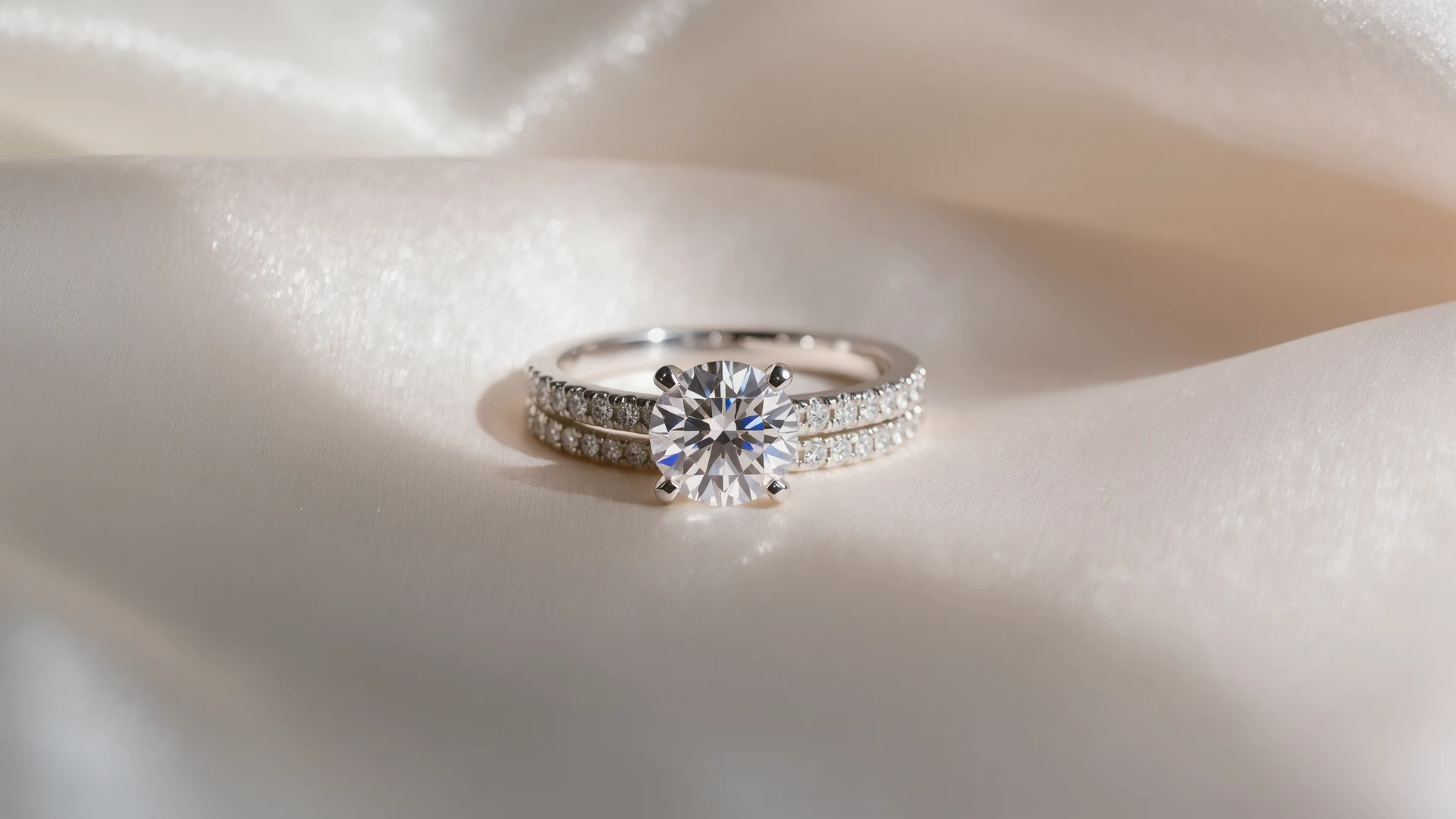
Luxury Bridal Jewelry & Engagement Rings: The Complete Guide
Luxury bridal jewelry and engagement ring guide: master the GIA 4Cs, designer maisons, colored gemstones, custom design, insurance, and insider buying…

Watch Collecting & Investment: The Complete Guide
Watch collecting and investment guide: how Rolex, Patek Philippe, Audemars Piguet and Richard Mille hold value, plus complications, auctions and 2026 …
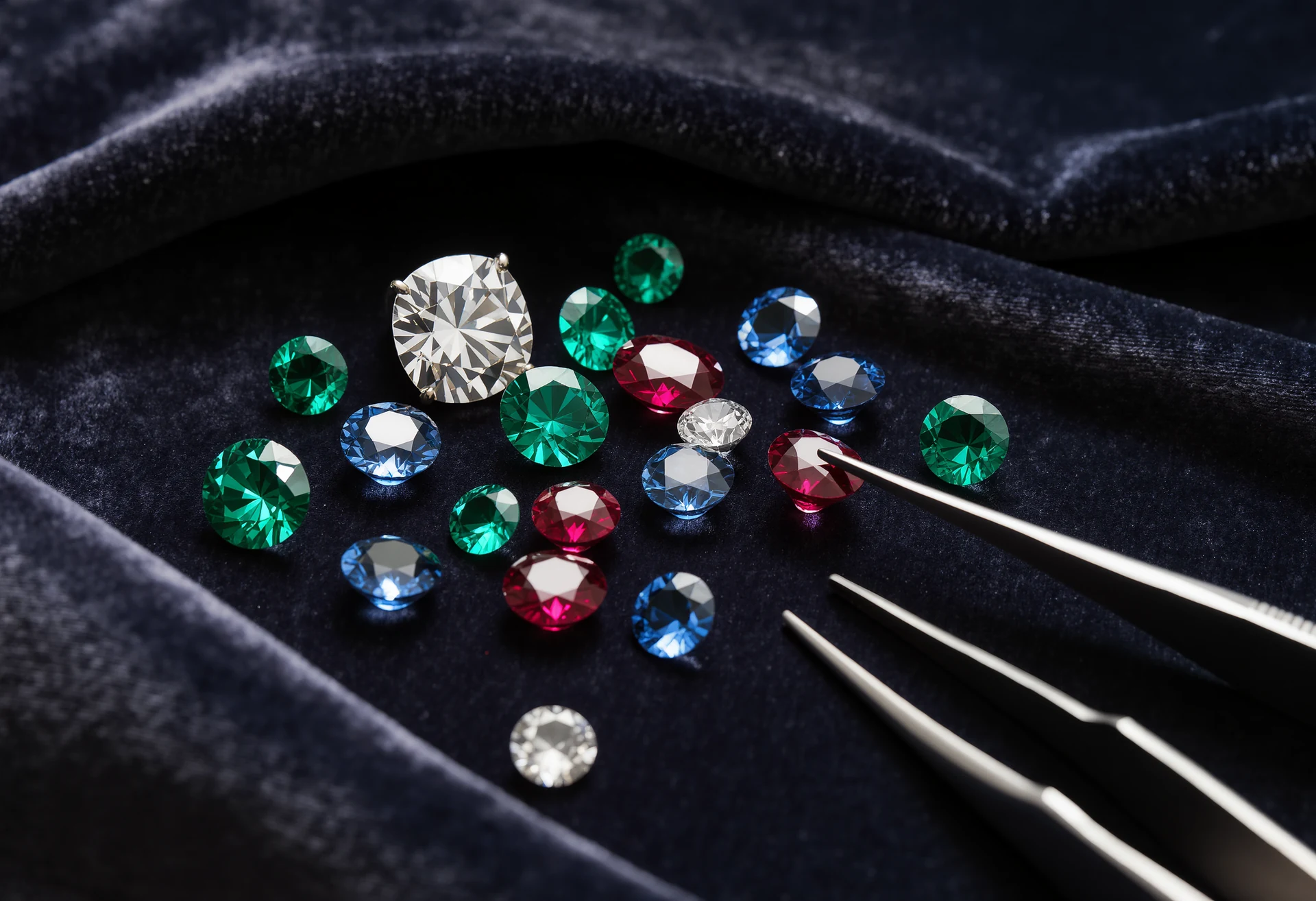
Fine Jewelry as an Alternative Asset: The Complete Investment Guide
Why Fine Jewelry Is Emerging as a Serious Asset Class Fine jewelry has quietly transformed from a passion purchase into one of the most compelling alt…