Jewelry · Jewelry
Dazzling Delights: Exploring the World of High-End Jewelry
High-end jewelry has always held a special place in our culture and society. From ancient civilizations to modern times, jewelry has been a symbol of wealth, power, and beauty. It …

High-end jewelry has always held a special place in our culture and society. From ancient civilizations to modern times, jewelry has been a symbol of wealth, power, and beauty. It has been worn by kings and queens, celebrities and socialites, and has been passed down through generations as heirlooms. The craftsmanship and artistry that goes into creating high-end jewelry is truly remarkable, and the value of these pieces often extends far beyond their monetary worth. In this article, we will explore the history of high-end jewelry, the art of gemstone cutting, the world’s most expensive pieces, the rise of custom jewelry, the role of technology in jewelry making, the importance of sustainability, the psychology of jewelry, the art of collecting, the intersection of fashion and jewelry, and the future of high-end jewelry.
Key Takeaways
- High-end jewelry has a rich history dating back to ancient times.
- Gemstone cutting is a meticulous art that transforms stones into dazzling jewels.
- The world’s most expensive jewelry includes lavish pieces that are truly one-of-a-kind.
- Custom jewelry is on the rise as designers cater to individual tastes and preferences.
- Technology, such as 3D printing, is changing the game in jewelry making and design.
A Brief History of High-End Jewelry: From Ancient Times to Modern Day
The history of high-end jewelry dates back thousands of years. In ancient civilizations such as Egypt, Mesopotamia, and Greece, jewelry was worn as a symbol of status and power. It was often made from precious metals such as gold and silver, and adorned with gemstones such as emeralds, rubies, and sapphires. These pieces were often intricate and detailed, showcasing the skill and craftsmanship of the artisans who created them.
Throughout history, different styles and trends in jewelry have emerged. In the Renaissance period, for example, jewelry became more ornate and elaborate, with intricate designs and detailed engravings. During the Victorian era, sentimental jewelry became popular, with pieces featuring lockets that held keepsakes or photographs.
In modern times, high-end jewelry has become more diverse in style and design. From classic diamond solitaire rings to avant-garde statement necklaces, there is a wide range of options available for those seeking luxury pieces. Designers such as Cartier, Tiffany & Co. and Harry Winston have become synonymous with high-end jewelry, creating iconic pieces that are sought after by collectors and enthusiasts alike.
The Art of Gemstone Cutting: How Precious Stones are Transformed into Dazzling Jewels
One of the most important aspects of high-end jewelry is the gemstones that are used. Gemstones such as diamonds, rubies, emeralds, and sapphires are highly valued for their rarity, beauty, and durability. However, these stones do not come out of the ground in their final form. They must go through a process of cutting and polishing to bring out their brilliance and sparkle.
Gemstone cutting is a highly skilled art form that requires precision and expertise. The process involves shaping the rough stone into a faceted gem, with each facet carefully cut and polished to maximize its brilliance. The cut of a gemstone can greatly affect its value and appearance. A well-cut stone will reflect light in a way that enhances its color and sparkle, while a poorly cut stone may appear dull and lifeless.
Famous gemstones such as the Hope Diamond, the Cullinan Diamond, and the Star of India are renowned for their unique characteristics. The Hope Diamond, for example, is known for its deep blue color and exceptional clarity. The Cullinan Diamond, on the other hand, is the largest gem-quality diamond ever found, weighing in at over 3,100 carats. These gemstones have become legendary not only for their size and beauty but also for the stories and legends that surround them.
The World’s Most Expensive Jewelry: A Look at the Most Lavish Pieces of All Time
High-end jewelry is often associated with luxury and opulence, and there are some pieces that take extravagance to a whole new level. From diamond-encrusted necklaces to rare colored gemstones, these pieces are the epitome of luxury and exclusivity.
One of the most expensive pieces of jewelry ever created is the Graff Pink Diamond, a rare pink diamond weighing 24.78 carats. It was sold at auction in 2010 for a staggering $46 million, making it the most expensive single jewel ever sold at auction. Another notable piece is the Blue Moon Diamond, a 12.03-carat blue diamond that sold for $48.4 million in 2015.
The factors that contribute to the high price tags of these pieces are numerous. Rarity is one of the most important factors, as rare gemstones such as pink and blue diamonds are extremely valuable due to their scarcity. The size and quality of the gemstones also play a role, as larger stones with exceptional clarity and color command higher prices. Finally, the craftsmanship and design of the piece itself can greatly affect its value, with intricate and unique designs often fetching higher prices.
The Rise of Custom Jewelry: How Designers are Catering to Individual Tastes and Preferences
In recent years, there has been a growing trend towards custom jewelry. More and more people are seeking unique and personalized pieces that reflect their individual tastes and preferences. Designers have responded to this demand by offering custom design services, allowing customers to create one-of-a-kind pieces that are tailored to their specific needs.
The benefits of custom jewelry are numerous. First and foremost, it allows individuals to express their personal style and creativity. They can choose the type of metal, the gemstones, and the design elements that they prefer, creating a piece that is truly unique to them. Custom jewelry also allows for a more personal connection to the piece, as it is often created with sentimental value in mind.
However, there are also some drawbacks to custom jewelry. One of the main challenges is finding a reputable designer who can bring your vision to life. It requires trust and communication between the customer and the designer, as well as a clear understanding of the design process and timeline. Custom jewelry can also be more expensive than ready-made pieces, as it requires additional time and effort to create a unique design.
The Role of Technology in Jewelry Making: How 3D Printing and Other Innovations are Changing the Game
Technology has had a significant impact on the jewelry industry, revolutionizing the way pieces are designed and manufactured. One of the most notable advancements is the use of 3D printing in jewelry making. This technology allows designers to create intricate and complex designs that would be difficult or impossible to achieve using traditional methods.
With 3D printing, designers can create a digital model of a piece of jewelry and then print it layer by layer using a special printer. This allows for greater precision and accuracy in the design process, as well as the ability to create highly detailed and intricate pieces. It also reduces waste, as only the necessary amount of material is used in the printing process.
Other technological advancements in jewelry making include laser cutting and engraving, computer-aided design (CAD), and computer numerical control (CNC) machining. These technologies have made it easier for designers to create unique and innovative pieces, while also improving efficiency and reducing costs.
However, there are also some drawbacks to using technology in jewelry making. One of the main challenges is maintaining the handcrafted quality that is often associated with high-end jewelry. While technology can enhance the design process, it cannot replace the skill and artistry of a master jeweler. There is also a concern that technology may lead to a loss of traditional craftsmanship and skills, as more processes become automated.
The Importance of Sustainability in High-End Jewelry: How Brands are Embracing Ethical Practices
In recent years, there has been a growing trend towards sustainability in the jewelry industry. Consumers are becoming more conscious of the environmental and social impact of their purchases, and are seeking out brands that embrace ethical practices. This has led to a shift in the way high-end jewelry is produced, with brands focusing on responsible sourcing, fair trade practices, and environmentally friendly manufacturing processes.
One of the main challenges in creating sustainable jewelry is ensuring that the materials used are ethically sourced. This includes ensuring that gemstones and precious metals are mined in a way that does not harm the environment or exploit workers. Many brands now work directly with mining communities to ensure fair wages and safe working conditions.
Another aspect of sustainability in high-end jewelry is the use of recycled materials. Many brands now use recycled gold and silver in their pieces, reducing the need for new mining and minimizing the environmental impact. Some brands also offer recycling programs, allowing customers to return their old jewelry for recycling or repurposing.
While there are challenges to creating sustainable jewelry, there are also many benefits. Brands that embrace ethical practices often have a positive brand image and attract socially conscious consumers. They also contribute to the preservation of natural resources and support local communities. As sustainability becomes more important to consumers, it is likely that more brands will adopt ethical practices in the future.
The Psychology of Jewelry: Why We are Drawn to Sparkling Gems and Shimmering Metals
The allure of high-end jewelry goes beyond its beauty and craftsmanship. There is a psychological aspect to our attraction to sparkling gems and shimmering metals. Jewelry has long been associated with status, wealth, and power, and wearing it can make us feel more confident and attractive.
One reason why we are drawn to jewelry is its association with wealth and success. Throughout history, jewelry has been worn by those in positions of power and influence, such as kings, queens, and nobility. By wearing high-end jewelry, we can feel a connection to this history and project an image of success.
Jewelry also has a sentimental value for many people. It can be a symbol of love and commitment, such as an engagement ring or a wedding band. It can also be a reminder of special moments or milestones in our lives, such as a birthstone necklace or a charm bracelet. Wearing jewelry that has personal meaning can evoke positive emotions and memories.
Finally, jewelry is often seen as a form of self-expression. It allows us to showcase our personal style and creativity, and can be used to make a statement or convey a message. Whether it’s a bold statement necklace or a delicate pair of earrings, jewelry can be a reflection of our personality and individuality.
The Art of Collecting: How to Build a High-End Jewelry Collection that Will Stand the Test of Time
Building a high-end jewelry collection is not just about acquiring valuable pieces, but also about curating a collection that will stand the test of time. Here are some tips and advice for building a collection that will retain its value and significance:
1. Educate Yourself: Before starting your collection, take the time to educate yourself about different types of jewelry, gemstones, and designers. Learn about the factors that affect the value of a piece, such as rarity, quality, and craftsmanship.
2. Set a Budget: Determine how much you are willing to spend on your collection and stick to it. High-end jewelry can be expensive, so it’s important to set realistic expectations and not overspend.
3. Start with the Classics: When starting your collection, focus on acquiring classic pieces that are timeless and versatile. Pieces such as diamond stud earrings, pearl necklaces, and gold bracelets are always in style and can be worn for any occasion.
4. Invest in Quality: When purchasing high-end jewelry, it’s important to invest in quality pieces that will retain their value over time. Look for pieces that are made from precious metals such as gold or platinum, and gemstones that are of high quality and clarity.
5. Consider Vintage and Antique Pieces: Vintage and antique jewelry can be a great addition to any collection. These pieces often have unique designs and craftsmanship that are not found in modern pieces. They can also be a good investment, as their value may appreciate over time.
6. Take Care of Your Collection: Proper care and maintenance are essential for preserving the value and beauty of your jewelry collection. Store your pieces in a safe and secure place, clean them regularly, and have them professionally inspected and serviced when necessary.
The Intersection of Fashion and Jewelry: How Designer Brands are Collaborating to Create Unique Pieces
Fashion and jewelry have always been closely intertwined, with designers often collaborating to create unique and innovative pieces. This intersection of fashion and jewelry allows for the creation of statement pieces that can elevate any outfit.
Designer brands such as Chanel, Dior, and Gucci have long been known for their collaborations with jewelry designers. These collaborations often result in limited-edition collections that combine the design aesthetic of the fashion brand with the craftsmanship of the jewelry designer.
One example of a successful fashion-jewelry collaboration is the partnership between Louis Vuitton and the artist Jeff Koons. The collaboration resulted in a collection of handbags and accessories featuring Koons’ iconic artwork, as well as a range of fine jewelry inspired by his sculptures. This collaboration brought together two different art forms to create truly unique and collectible pieces.
The benefits of fashion-jewelry collaborations are numerous. They allow designers to reach new audiences and expand their brand’s reach. They also provide an opportunity for designers to experiment with new materials, techniques, and design concepts. For consumers, these collaborations offer a chance to own a piece of wearable art that combines the best of fashion and jewelry.
However, there are also some drawbacks to fashion-jewelry collaborations. One challenge is maintaining the integrity and value of the jewelry. While collaborations can be exciting and innovative, they may not hold the same long-term value as traditional high-end jewelry. There is also a concern that collaborations may become too commercialized, with brands focusing more on marketing and branding than on the quality and craftsmanship of the pieces.
The Future of High-End Jewelry: Predictions for Trends and Innovations in the Years to Come
The future of high-end jewelry is an exciting and ever-evolving landscape. As technology continues to advance, we can expect to see new innovations in design, manufacturing, and materials. Here are some predictions for trends and innovations in the years to come:
1. Sustainable Materials: As sustainability becomes more important to consumers, we can expect to see an increase in the use of sustainable materials in high-end jewelry. This may include the use of lab-grown diamonds and gemstones, as well as recycled metals.
2. Customization: The trend towards custom jewelry is likely to continue, with more designers offering personalized design services. Advances in technology, such as 3D printing, will make it easier for designers to create custom pieces that are tailored to individual tastes and preferences.
3. Innovative Designs: With advancements in technology, designers will have more freedom to experiment with innovative designs and materials. We can expect to see more avant-garde and unconventional pieces that push the boundaries of traditional jewelry design.
4. Virtual Reality: Virtual reality technology has the potential to revolutionize the way we shop for high-end jewelry. Imagine being able to try on a variety of diamond rings or necklaces without leaving the comfort of your own home. With virtual reality, customers can have a fully immersive experience where they can see themselves wearing different pieces of jewelry, adjust the size and style, and even view the jewelry from different angles. This technology not only saves time and effort for customers, but it also allows them to make more informed decisions before making a purchase. Additionally, virtual reality can provide a more interactive and engaging shopping experience, enhancing customer satisfaction and loyalty. Overall, virtual reality has the potential to transform the jewelry shopping experience by bringing it into the digital age and providing customers with a more personalized and convenient way to shop for high-end jewelry.
More in
More from Jewelry
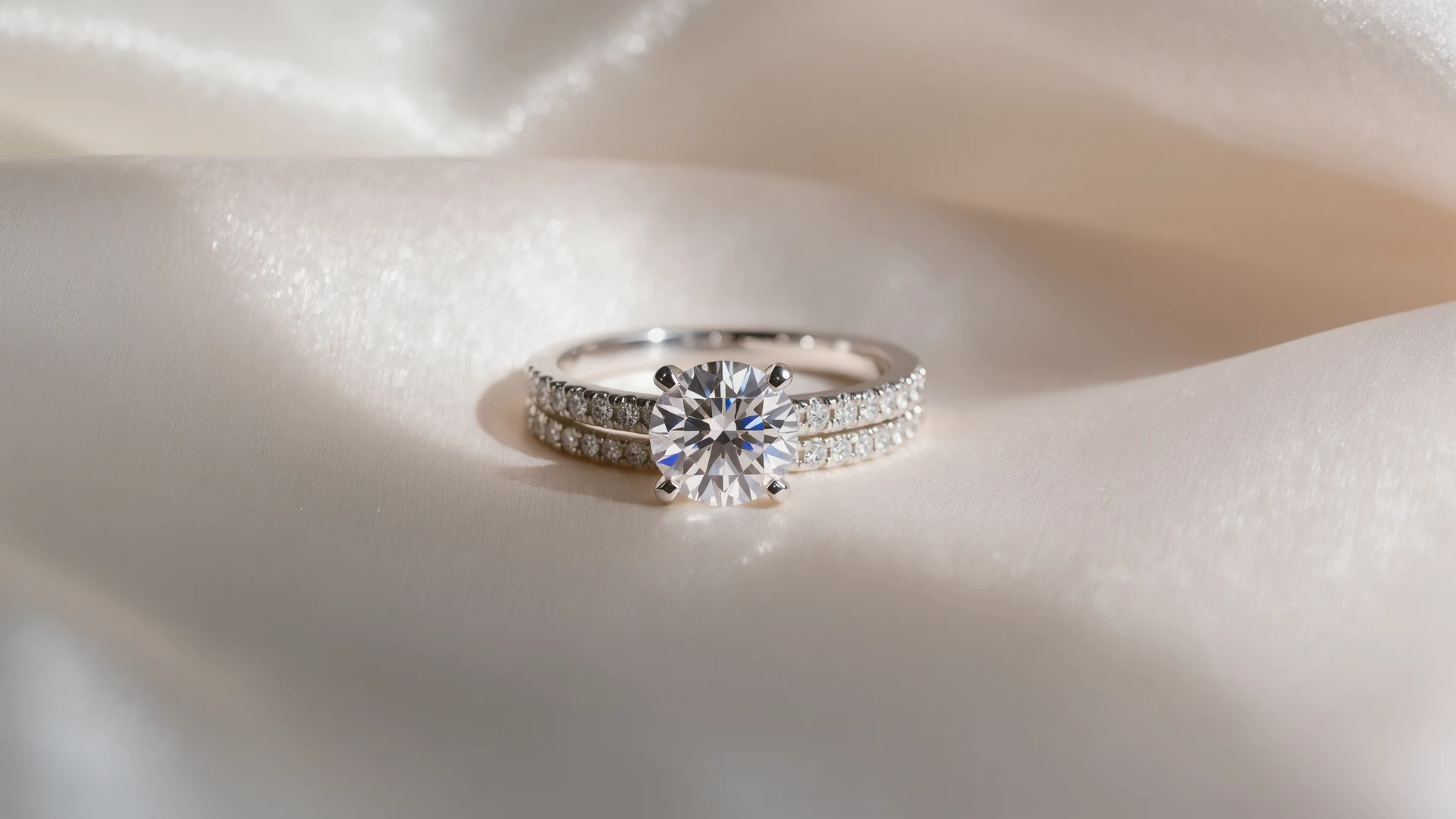
Jewelry · 24 min
Luxury Bridal Jewelry & Engagement Rings: The Complete Guide
Luxury bridal jewelry and engagement ring guide: master the GIA 4Cs, designer maisons, colored gemstones, custom design, insurance, and insider buying…
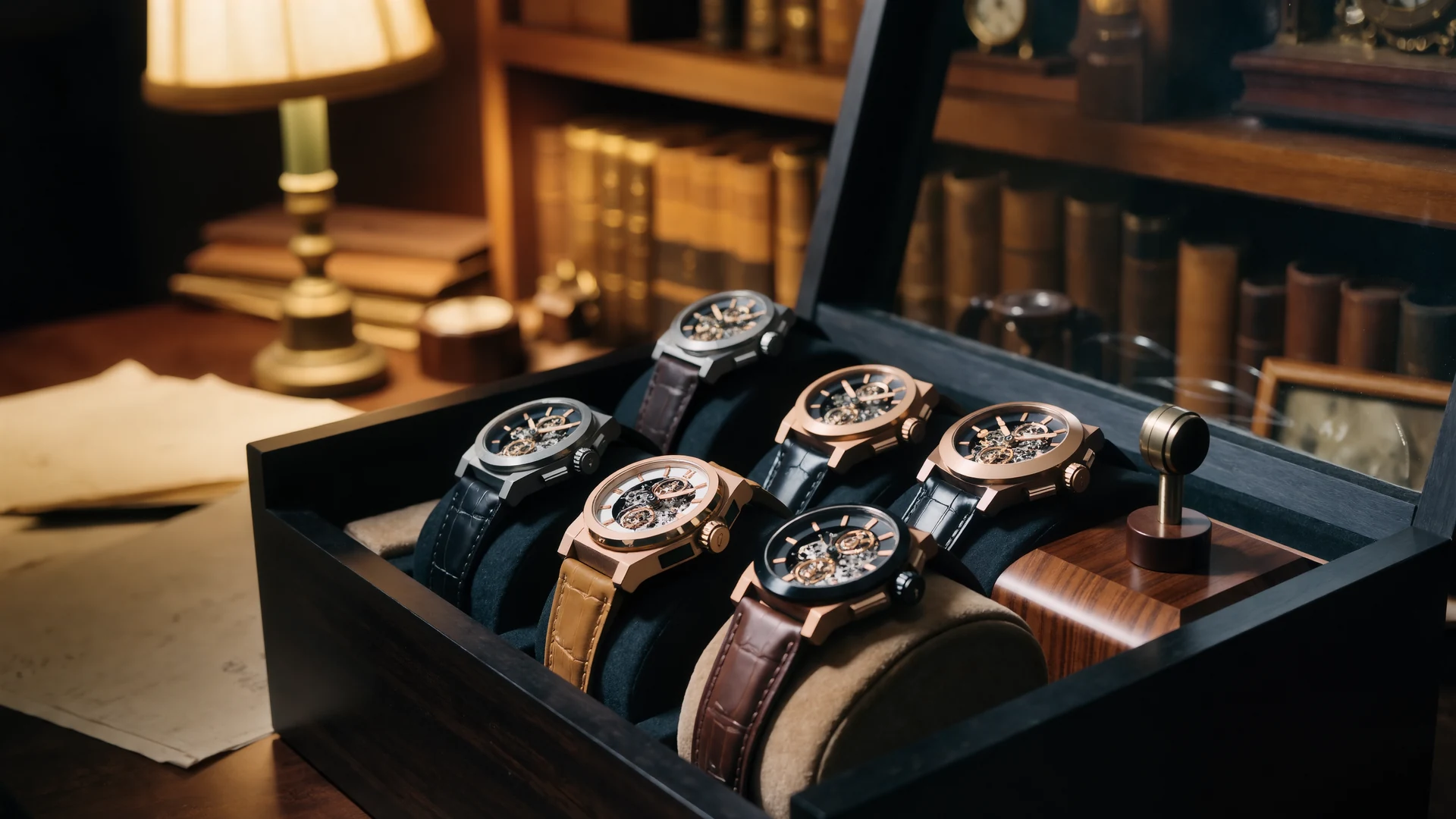
Jewelry · 29 min
Watch Collecting & Investment: The Complete Guide
Watch collecting and investment guide: how Rolex, Patek Philippe, Audemars Piguet and Richard Mille hold value, plus complications, auctions and 2026 …
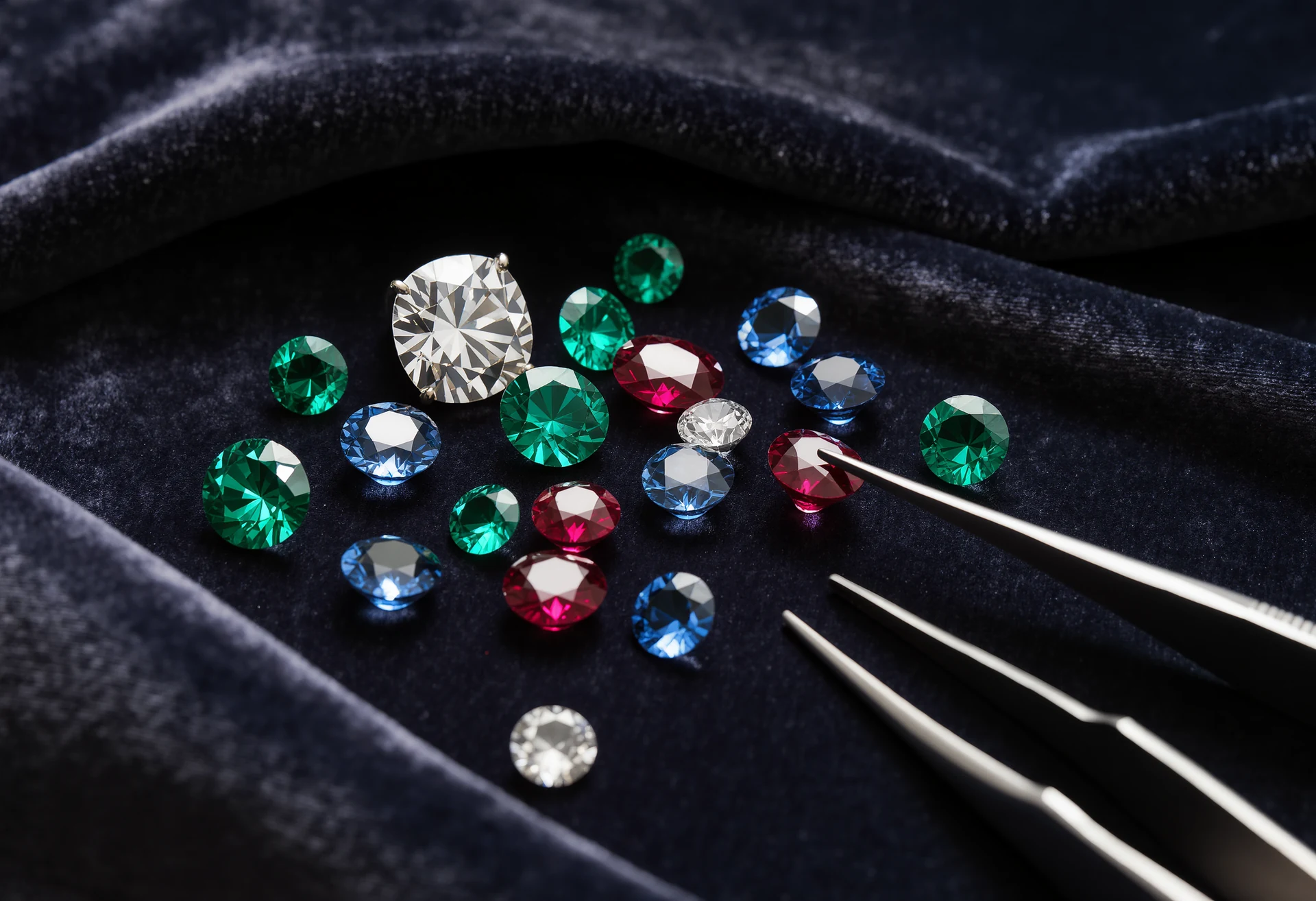
Jewelry · 10 min
Fine Jewelry as an Alternative Asset: The Complete Investment Guide
Why Fine Jewelry Is Emerging as a Serious Asset Class Fine jewelry has quietly transformed from a passion purchase into one of the most compelling alt…