Jewelry · Jewelry
Discover the Brilliance of GIA Certified Diamonds: Your Ultimate Guide to Choosing the Perfect Stone
Diamond certification is an essential aspect of the diamond industry. It provides consumers with the assurance that they are purchasing a genuine and high-quality diamond. One of t…
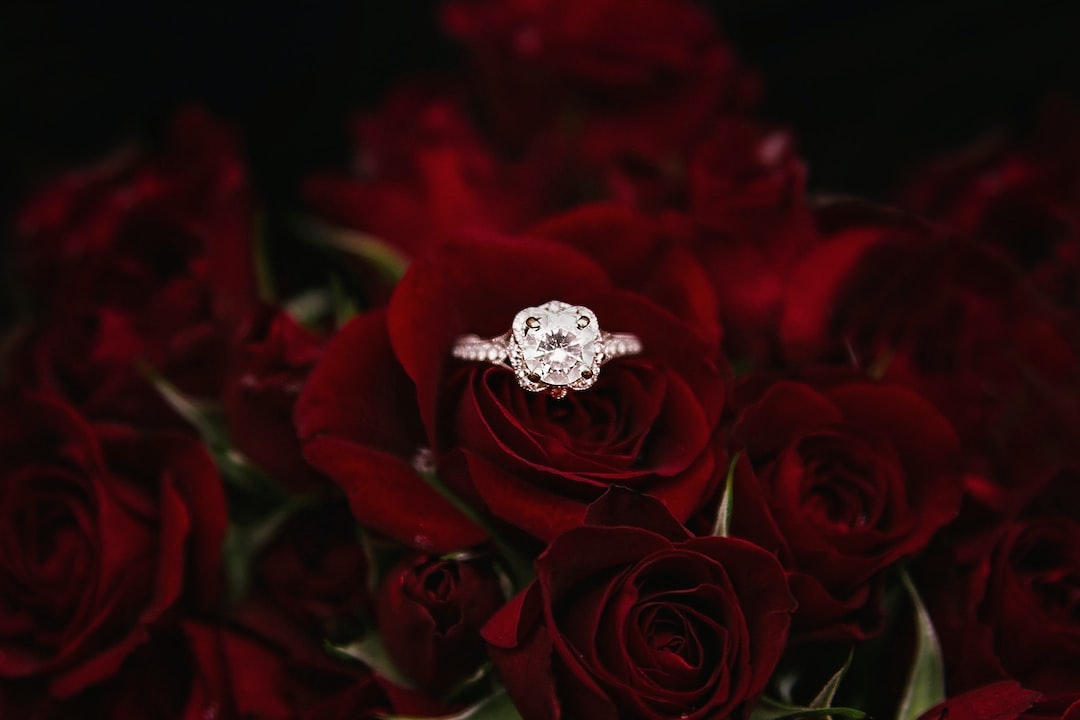
Diamond certification is an essential aspect of the diamond industry. It provides consumers with the assurance that they are purchasing a genuine and high-quality diamond. One of the most reputable and widely recognized diamond certification organizations is the Gemological Institute of America (GIA). GIA certification is highly regarded in the industry due to its rigorous standards and comprehensive grading system. In this article, we will explore the importance of GIA certification, its benefits, and how it can help consumers make informed purchasing decisions.
Key Takeaways
- GIA certification is the most trusted and respected diamond grading system in the world.
- Choosing a GIA certified diamond ensures that you are getting a high-quality, authentic diamond.
- The four Cs (Cut, Clarity, Color, and Carat Weight) are important factors to consider when evaluating diamond quality.
- GIA grading reports provide detailed information about a diamond’s characteristics and quality.
- The Gemological Institute of America has a long-standing reputation for excellence in diamond education and certification.
What is a GIA certified diamond and why is it important?
A GIA certified diamond is a diamond that has been evaluated and graded by the Gemological Institute of America. GIA is an independent nonprofit organization that has been at the forefront of diamond grading and gemological research since its establishment in 1931. GIA certification provides consumers with confidence in the quality and authenticity of their diamond.
GIA certification is important in the diamond industry because it sets the standard for diamond grading and ensures consistency and accuracy in the evaluation of diamonds. The organization’s grading system is recognized worldwide and is considered the benchmark for diamond quality assessment. GIA certification provides buyers with a reliable and unbiased evaluation of a diamond’s characteristics, allowing them to make informed decisions when purchasing a diamond.
The benefits of purchasing a GIA certified diamond are numerous. Firstly, GIA certification guarantees that the diamond is natural and not synthetic or treated. This is crucial as synthetic diamonds have become more prevalent in recent years, making it essential for consumers to have confidence in the authenticity of their purchase. Additionally, GIA certification provides detailed information about a diamond’s characteristics, including its cut, clarity, color, and carat weight. This information allows buyers to compare diamonds accurately and choose one that meets their preferences and budget.
The benefits of choosing a GIA certified diamond over other options
While there are other diamond certification options available, GIA certification stands out for several reasons. Firstly, GIA is an independent and unbiased organization. It does not buy or sell diamonds, ensuring that its grading process remains impartial. This independence gives consumers confidence in the accuracy and reliability of GIA certified diamonds.
Furthermore, GIA certification is widely recognized and respected in the diamond industry. Many jewelers and consumers consider GIA certification to be the gold standard for diamond grading. This recognition ensures that GIA certified diamonds maintain their value and are highly sought after in the market.
In terms of quality and value, GIA certification offers several advantages. GIA’s grading system is known for its strict standards and consistency. The organization employs highly trained gemologists who use advanced equipment and techniques to evaluate diamonds. This ensures that GIA certified diamonds are accurately graded and provide buyers with a reliable assessment of their quality.
Understanding the four Cs: Cut, Clarity, Color, and Carat Weight
The four Cs, cut, clarity, color, and carat weight, are essential factors in determining the quality and value of a diamond. Understanding these factors is crucial when purchasing a diamond, as they greatly influence its appearance and price.
Cut refers to how well a diamond has been shaped and faceted. It affects how well a diamond reflects light, giving it brilliance and sparkle. A well-cut diamond will have optimal proportions and symmetry, allowing it to maximize its light performance.
Clarity refers to the presence of internal or external flaws, known as inclusions and blemishes, respectively. These imperfections can affect a diamond’s brilliance and transparency. GIA uses a clarity grading scale that ranges from Flawless (no inclusions or blemishes visible under 10x magnification) to Included (inclusions visible to the naked eye).
Color refers to the presence of any tint or hue in a diamond. The GIA color grading scale ranges from D (colorless) to Z (light yellow or brown). The less color a diamond has, the more valuable it is considered.
Carat weight is a measure of a diamond’s size. One carat is equal to 200 milligrams. Carat weight does not necessarily determine a diamond’s quality, but it does affect its price. Larger diamonds are rarer and, therefore, more valuable.
How to evaluate diamond quality using GIA grading reports
GIA provides detailed grading reports for each certified diamond, which contain all the information necessary to evaluate its quality. These reports are commonly referred to as GIA certificates or GIA grading reports.
GIA grading reports include information about the diamond’s cut, clarity, color, and carat weight. They also provide additional details such as measurements, proportions, fluorescence, and any additional comments or observations by the gemologist.
To read and interpret a GIA grading report, it is essential to understand the terminology used. GIA uses specific terms and abbreviations to describe a diamond’s characteristics. For example, the cut grade can be Excellent, Very Good, Good, Fair, or Poor. Clarity is graded on a scale from Flawless to Included. Color is graded from D to Z.
Using GIA grading reports allows buyers to compare diamonds accurately and make informed purchasing decisions. The detailed information provided in the reports ensures transparency and helps buyers understand the quality and value of the diamond they are considering.
The history and reputation of the Gemological Institute of America
The Gemological Institute of America has a rich history and has played a significant role in shaping the diamond industry as we know it today. It was founded in 1931 by Robert M. Shipley with the goal of establishing standards for gemological education and research.
GIA’s contributions to the industry include the development of the 4Cs grading system and the introduction of gemological instruments and techniques. GIA’s research has led to advancements in diamond grading and identification, ensuring the accuracy and reliability of diamond certification.
GIA’s reputation as a trusted authority in diamond certification is well-established. Its rigorous standards, unbiased grading process, and commitment to education and research have earned it the respect and recognition of the industry. GIA certified diamonds are highly regarded and sought after by consumers and jewelers alike.
The difference between natural and lab-grown diamonds and how GIA certifies both
Natural diamonds are formed deep within the Earth’s mantle over millions of years. They are mined from the Earth’s surface or extracted from deep underground mines. Lab-grown diamonds, on the other hand, are created in a laboratory using high-pressure, high-temperature (HPHT) or chemical vapor deposition (CVD) processes.
GIA certifies both natural and lab-grown diamonds. The organization has developed specific grading standards for lab-grown diamonds to ensure transparency and consumer confidence. GIA grading reports for lab-grown diamonds include information about their growth method, color origin, and any post-growth treatments.
GIA’s certification of lab-grown diamonds is important as it provides consumers with assurance that they are purchasing a genuine lab-grown diamond. It also allows buyers to compare lab-grown diamonds accurately and make informed decisions based on their preferences and budget.
How to shop for a GIA certified diamond: tips and tricks for finding the perfect stone
When shopping for a GIA certified diamond, there are several factors to consider. Firstly, determine your budget and prioritize the four Cs based on your preferences. If cut quality is essential to you, focus on diamonds with an Excellent or Very Good cut grade. If color is your priority, look for diamonds in the D to F range.
It is also important to work with a reputable jeweler who offers GIA certified diamonds. Research different jewelers and read reviews to ensure they have a good reputation and offer high-quality diamonds. Ask for the GIA grading report for any diamond you are considering and carefully review the information provided.
Additionally, consider working with a jeweler who offers a selection of GIA certified diamonds in various sizes and price ranges. This will give you more options and increase your chances of finding the perfect diamond that meets your needs and budget.
The importance of ethical sourcing and sustainability in the diamond industry
Ethical sourcing and sustainability are crucial considerations in the diamond industry. The mining and production of diamonds can have significant social and environmental impacts. It is important to ensure that diamonds are sourced ethically and sustainably to protect workers’ rights, minimize environmental damage, and support local communities.
GIA plays a role in promoting ethical and sustainable practices in the diamond industry. The organization provides education and training on responsible sourcing and supports initiatives that promote transparency and accountability in the supply chain.
To ensure your diamond is ethically sourced and sustainable, look for diamonds that come with certifications such as the Kimberley Process Certification Scheme (KPCS) or the Responsible Jewellery Council (RJC) certification. These certifications provide assurance that the diamonds have been sourced responsibly and meet certain ethical standards.
GIA certification and the value of your diamond: what it means for resale and insurance
GIA certification can significantly impact the value of your diamond, both for resale purposes and insurance coverage. GIA certified diamonds are highly regarded in the market due to their recognized quality and reliability. They maintain their value better than non-certified diamonds, making them easier to sell or trade in the future.
When it comes to insurance coverage, having a GIA certified diamond ensures that you have accurate documentation of its characteristics and value. This documentation is essential for determining the replacement value of your diamond in case of loss or damage. Insurance companies often require a GIA grading report to provide coverage for high-value diamonds.
To ensure your diamond is properly insured and valued, keep your GIA grading report in a safe place and update your insurance coverage regularly to reflect any changes in the diamond’s value.
Frequently asked questions about GIA certified diamonds
1. Are GIA certified diamonds more expensive?
GIA certification does not directly affect the price of a diamond. However, GIA certified diamonds are often more valuable due to their recognized quality and reliability. This can result in higher prices compared to non-certified diamonds.
2. Can I trust a GIA certificate?
GIA certificates are highly trusted in the industry due to the organization’s rigorous standards and unbiased grading process. However, it is still important to work with a reputable jeweler and review the information provided in the GIA grading report to ensure its accuracy.
3. Can I get a GIA certificate for a diamond I already own?
GIA does not provide retroactive certification for diamonds that have already been purchased. However, you can send your diamond to GIA for grading and receive a GIA grading report.
In conclusion, GIA certification is of utmost importance when purchasing a diamond. It provides consumers with confidence in the quality and authenticity of their purchase. GIA certified diamonds are highly regarded in the industry due to their recognized quality and reliability. The organization’s rigorous standards, unbiased grading process, and commitment to education and research have earned it a reputation as a trusted authority in diamond certification.
When shopping for a diamond, it is essential to prioritize the four Cs, cut, clarity, color, and carat weight, based on your preferences and budget. Working with a reputable jeweler who offers GIA certified diamonds is crucial to ensure you are getting a high-quality diamond. Additionally, consider the importance of ethical sourcing and sustainability in the diamond industry and look for certifications that provide assurance of responsible practices.
Overall, GIA certification provides consumers with the assurance that they are purchasing a genuine and high-quality diamond. It allows buyers to make informed decisions based on accurate and reliable information. Whether you are buying a diamond for an engagement ring, an investment, or a special occasion, choosing a GIA certified diamond is a wise choice that ensures you are getting the best value for your money.
More in
More from Jewelry
Jewelry · 24 min
Luxury Bridal Jewelry & Engagement Rings: The Complete Guide
Luxury bridal jewelry and engagement ring guide: master the GIA 4Cs, designer maisons, colored gemstones, custom design, insurance, and insider buying…

Jewelry · 29 min
Watch Collecting & Investment: The Complete Guide
Watch collecting and investment guide: how Rolex, Patek Philippe, Audemars Piguet and Richard Mille hold value, plus complications, auctions and 2026 …
Jewelry · 10 min
Fine Jewelry as an Alternative Asset: The Complete Investment Guide
Why Fine Jewelry Is Emerging as a Serious Asset Class Fine jewelry has quietly transformed from a passion purchase into one of the most compelling alt…