Jewelry · Jewelry
Exploring the Timeless Beauty of Traditional Jewelry: A Journey Through Culture and Craftsmanship
Traditional jewelry holds immense significance in cultures around the world. It is not just a form of adornment, but a reflection of history, beliefs, and values of a community. Tr…
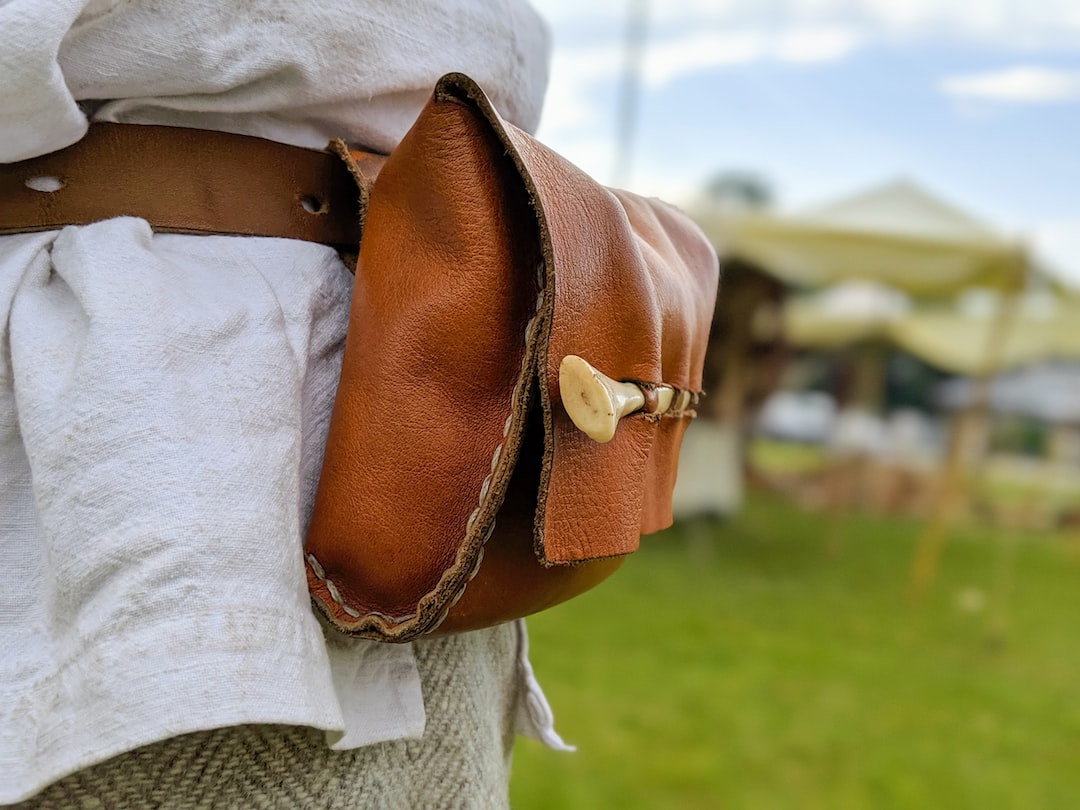
Traditional jewelry holds immense significance in cultures around the world. It is not just a form of adornment, but a reflection of history, beliefs, and values of a community. Traditional jewelry is often passed down through generations, carrying with it the stories and traditions of a particular culture. It serves as a symbol of identity and heritage, connecting individuals to their roots and preserving cultural practices.
In many cultures, traditional jewelry is worn during important ceremonies and celebrations, such as weddings and festivals. It is believed to bring good luck, protection, and prosperity to the wearer. The craftsmanship and design of traditional jewelry often incorporate symbols and motifs that hold cultural and spiritual meaning. For example, in Indian culture, the mangalsutra necklace is worn by married women as a symbol of their marital status and commitment to their spouse.
Key Takeaways
- Traditional jewelry is significant across cultures and has been used for centuries to express identity, status, and cultural heritage.
- The art of traditional jewelry making involves various techniques and materials, including precious metals, gemstones, and intricate designs.
- Ancient civilizations such as Egypt and India have a rich history of traditional jewelry, with unique styles and symbolism.
- Native American jewelry is known for its intricate beauty and deep cultural significance, often featuring symbols of nature and heritage.
- Renaissance jewelry is characterized by opulence and elegance, with intricate designs and the use of precious stones and metals.
The Art of Traditional Jewelry Making: Techniques and Materials
Traditional jewelry making involves various techniques that have been passed down through generations. These techniques require skill, precision, and attention to detail. One such technique is filigree, which involves twisting and bending thin wires of precious metals to create intricate designs. Another technique is enameling, which involves fusing powdered glass onto metal surfaces to create colorful patterns.
The materials used in traditional jewelry making vary depending on the culture and region. Precious metals such as gold, silver, and platinum are commonly used due to their durability and value. Gemstones are also widely used in traditional jewelry, adding color and sparkle to the pieces. Natural materials such as shells, bones, and seeds are often incorporated into traditional jewelry, particularly in indigenous cultures.
Traditional Jewelry in Ancient Civilizations: From Egypt to India
Traditional jewelry played a significant role in ancient civilizations such as Egypt, Greece, and India. In ancient Egypt, jewelry was not only worn for adornment but also had religious and symbolic significance. The scarab beetle amulet, for example, was believed to bring good luck and protection to the wearer. It symbolized rebirth and the cycle of life.
In ancient Greece, jewelry was often worn as a status symbol and a way to display wealth and power. The Greeks were skilled in the art of goldsmithing and created intricate pieces adorned with gemstones and intricate designs. Jewelry was also used as offerings to the gods and was buried with the deceased as a form of protection in the afterlife.
In ancient India, jewelry held immense cultural and spiritual significance. The mangalsutra necklace, mentioned earlier, is just one example of the importance of jewelry in Indian culture. Other pieces such as the nose ring, toe rings, and bangles are also worn for specific cultural and religious reasons. Jewelry in India is often intricately designed and incorporates symbols such as lotus flowers, peacocks, and elephants.
The Intricate Beauty of Native American Jewelry: Symbolism and Heritage
Native American jewelry is known for its intricate beauty and rich symbolism. Each tribe has its own unique style and techniques, reflecting their cultural heritage. Native American jewelry is often made using materials such as silver, turquoise, coral, and shell.
The Navajo squash blossom necklace is one of the most iconic pieces of Native American jewelry. It features silver beads and crescent-shaped pendants resembling squash blossoms. This necklace holds deep cultural significance for the Navajo people and is often worn during ceremonies and celebrations.
Another significant piece of Native American jewelry is the Zuni sunface pendant. This pendant represents the sun god and is believed to bring good luck and protection to the wearer. It is made using intricate stone inlay techniques, with each stone representing a different aspect of nature.
The Romance of Renaissance Jewelry: Opulence and Elegance
During the Renaissance period, jewelry became a symbol of opulence and elegance. It was worn by the wealthy and aristocratic class to display their wealth and social status. Renaissance jewelry was often made using gold and precious gemstones such as diamonds, rubies, and emeralds.
One of the most popular techniques used during this period was gold filigree. This involved twisting and bending thin gold wires to create intricate designs. Gemstones were often set in elaborate settings, enhancing their beauty and sparkle.
Renaissance jewelry was heavily influenced by classical art and mythology. Designs often featured motifs such as cherubs, flowers, and mythological creatures. Jewelry was also used to convey messages and symbolism, with certain pieces representing love, loyalty, or religious devotion.
Traditional Jewelry in Asian Culture: From Jade to Gold
Traditional jewelry holds great significance in Asian cultures such as China, Japan, and Korea. In China, jade is considered a precious stone with spiritual and healing properties. Jade carving is a traditional art form that has been practiced for centuries. Jade jewelry is often worn as a symbol of protection and good luck.
In Japan, traditional jewelry making techniques such as goldsmithing and lacquer work are highly valued. Gold is considered a symbol of wealth and prosperity, and gold jewelry is often worn during special occasions such as weddings and festivals.
Korea is known for its intricate metalwork and filigree techniques. Traditional Korean jewelry often features delicate designs made using silver or gold wires. The materials used in Korean jewelry also hold cultural significance, with certain gemstones believed to bring good fortune and protection.
The Evolution of Traditional Jewelry: From Classic to Contemporary
Traditional jewelry has evolved over time to incorporate modern design elements and materials. While traditional techniques are still used, contemporary designers are experimenting with new materials such as acrylic, resin, and recycled materials.
Contemporary traditional jewelry designers are also incorporating modern design elements such as geometric shapes, asymmetry, and minimalism. This fusion of traditional and modern design creates unique and innovative pieces that appeal to a wider audience.
The Role of Traditional Jewelry in Modern Fashion: Fusion and Innovation
Traditional jewelry has had a significant influence on modern fashion trends. Designers often incorporate traditional jewelry elements into their contemporary designs, creating a fusion of old and new. This fusion adds a unique and cultural touch to modern fashion, allowing individuals to express their heritage and identity through their style.
Traditional jewelry is often seen on fashion runways, in magazines, and on celebrities. It adds a sense of authenticity and uniqueness to an outfit, making a bold statement. Traditional jewelry is no longer limited to specific cultural contexts but has become a global fashion trend.
The Cultural Significance of Traditional Jewelry: From Weddings to Festivals
Traditional jewelry plays a vital role in cultural celebrations such as weddings and festivals. In many cultures, specific pieces of jewelry are worn during these occasions to symbolize love, commitment, and cultural identity.
For example, in Indian weddings, the bride wears elaborate gold jewelry such as necklaces, earrings, bangles, and anklets. Each piece holds cultural and religious significance and is often passed down through generations. The jewelry worn by the bride not only enhances her beauty but also represents her family’s wealth and social status.
In festivals such as Diwali in India or Chinese New Year, traditional jewelry is worn as a way to celebrate cultural heritage and bring good luck for the coming year. These festivals are an opportunity for individuals to showcase their traditional jewelry and express their cultural identity.
Preserving the Legacy of Traditional Jewelry: Supporting Artisans and Sustainability
Preserving the legacy of traditional jewelry is crucial for maintaining cultural practices and supporting artisans. Traditional jewelry making techniques are often passed down through generations, but with changing times, these skills are at risk of being lost.
Supporting traditional jewelry artisans involves recognizing their craftsmanship, providing fair wages, and creating opportunities for them to showcase their work. This can be done through collaborations with designers, exhibitions, and online platforms that promote traditional jewelry.
Sustainable jewelry making practices are also important in preserving the environment and traditional cultures. This involves using ethically sourced materials, reducing waste, and supporting fair trade practices. By choosing sustainable jewelry, individuals can contribute to the preservation of traditional jewelry making techniques and cultural heritage.
In conclusion, traditional jewelry holds immense significance in cultures around the world. It reflects the history, beliefs, and values of a community and serves as a symbol of identity and heritage. Traditional jewelry making involves various techniques and materials that have been passed down through generations. From ancient civilizations to modern fashion trends, traditional jewelry has evolved over time but continues to hold cultural and symbolic meaning. Preserving the legacy of traditional jewelry is crucial for maintaining cultural practices and supporting artisans. By supporting sustainable jewelry making practices, individuals can contribute to the preservation of traditional cultures and the environment.
More in
More from Jewelry
Jewelry · 24 min
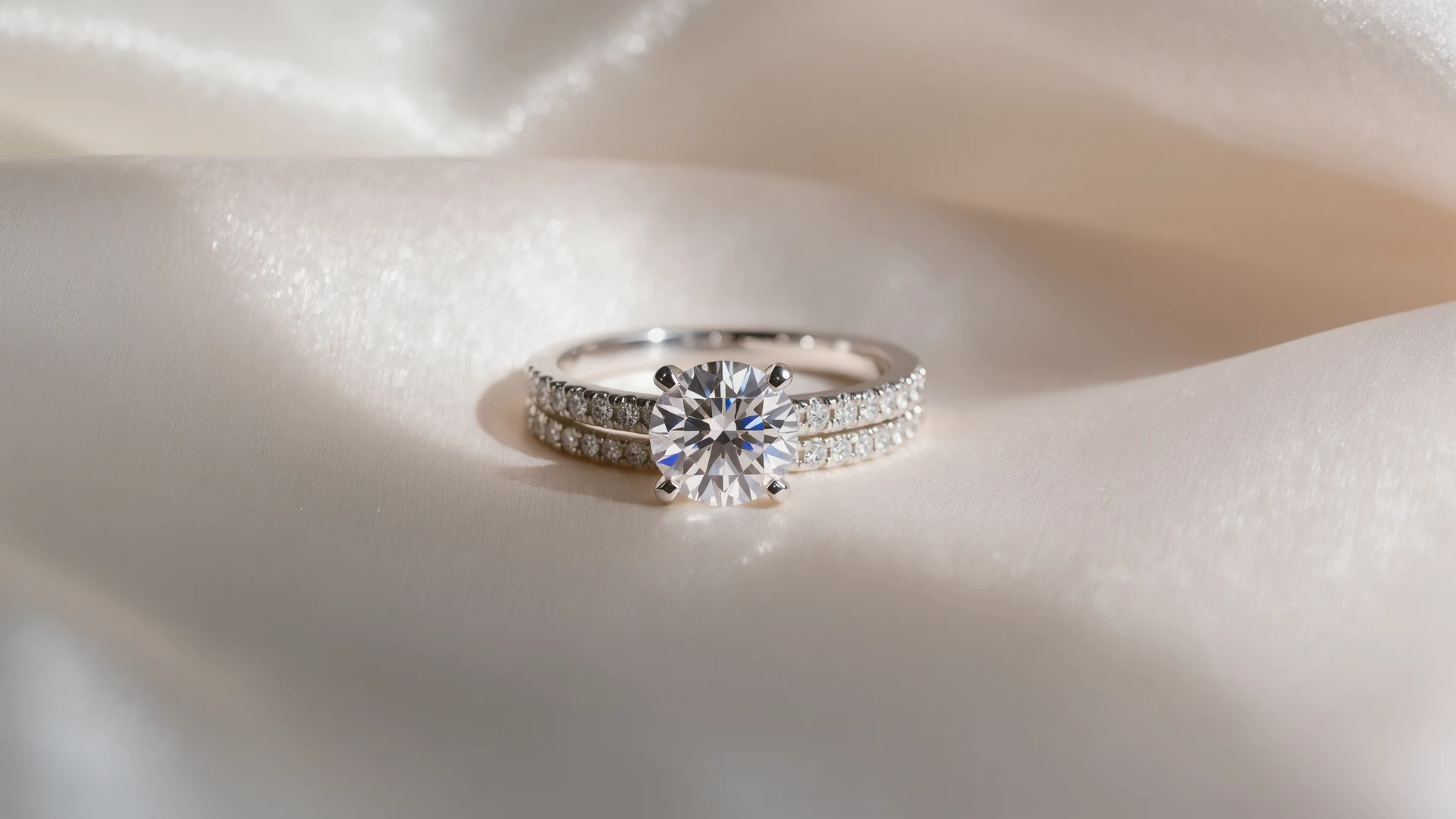
Luxury Bridal Jewelry & Engagement Rings: The Complete Guide
Luxury bridal jewelry and engagement ring guide: master the GIA 4Cs, designer maisons, colored gemstones, custom design, insurance, and insider buying…

Jewelry · 29 min
Watch Collecting & Investment: The Complete Guide
Watch collecting and investment guide: how Rolex, Patek Philippe, Audemars Piguet and Richard Mille hold value, plus complications, auctions and 2026 …
Jewelry · 10 min
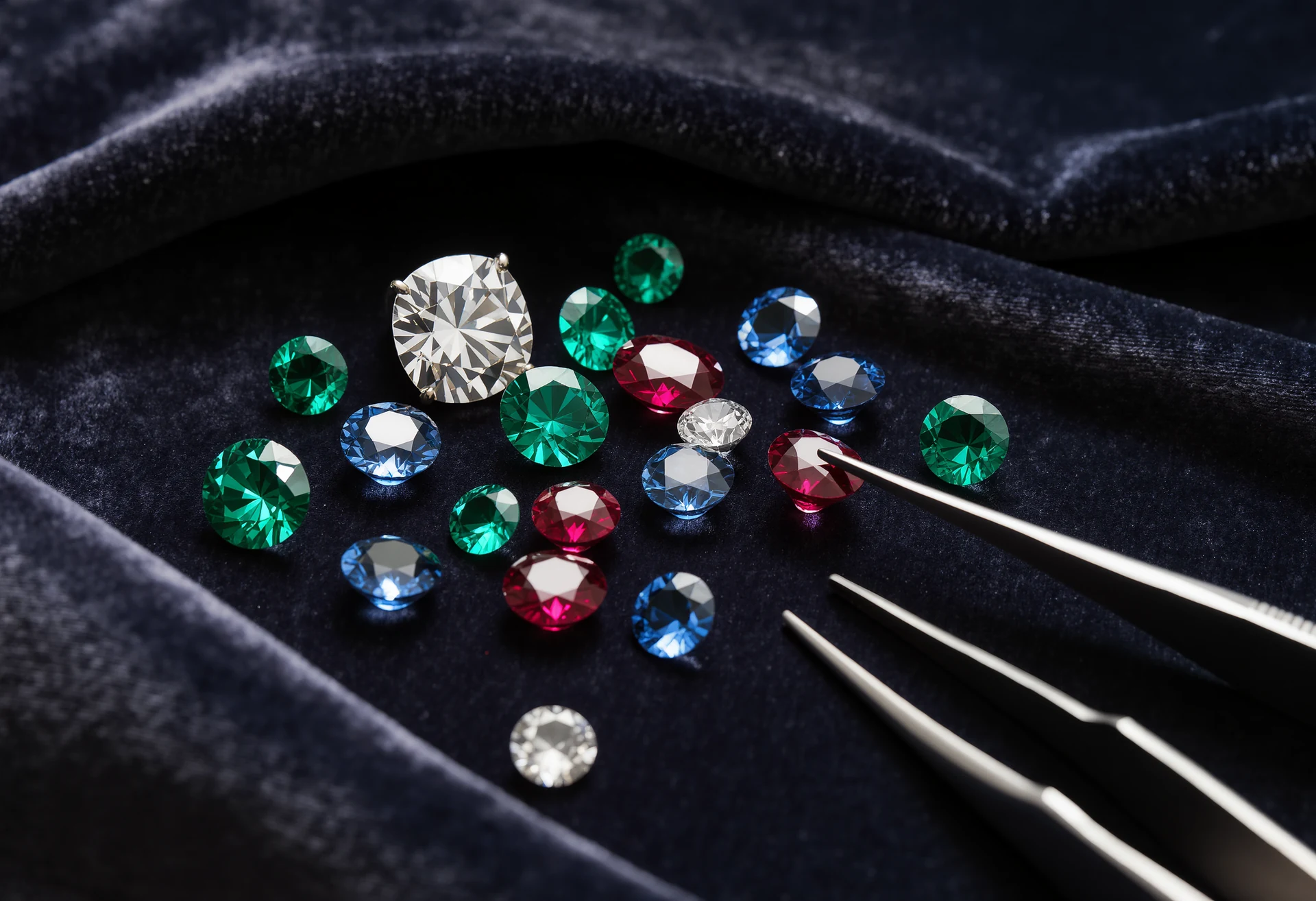
Fine Jewelry as an Alternative Asset: The Complete Investment Guide
Why Fine Jewelry Is Emerging as a Serious Asset Class Fine jewelry has quietly transformed from a passion purchase into one of the most compelling alt…