Jewelry · Jewelry
Indulge in Timeless Elegance: Exploring the World of Luxury Watches
Luxury watches have a long and storied history, dating back centuries. These timepieces have always been a symbol of status and wealth, worn by the elite and those who appreciate t…
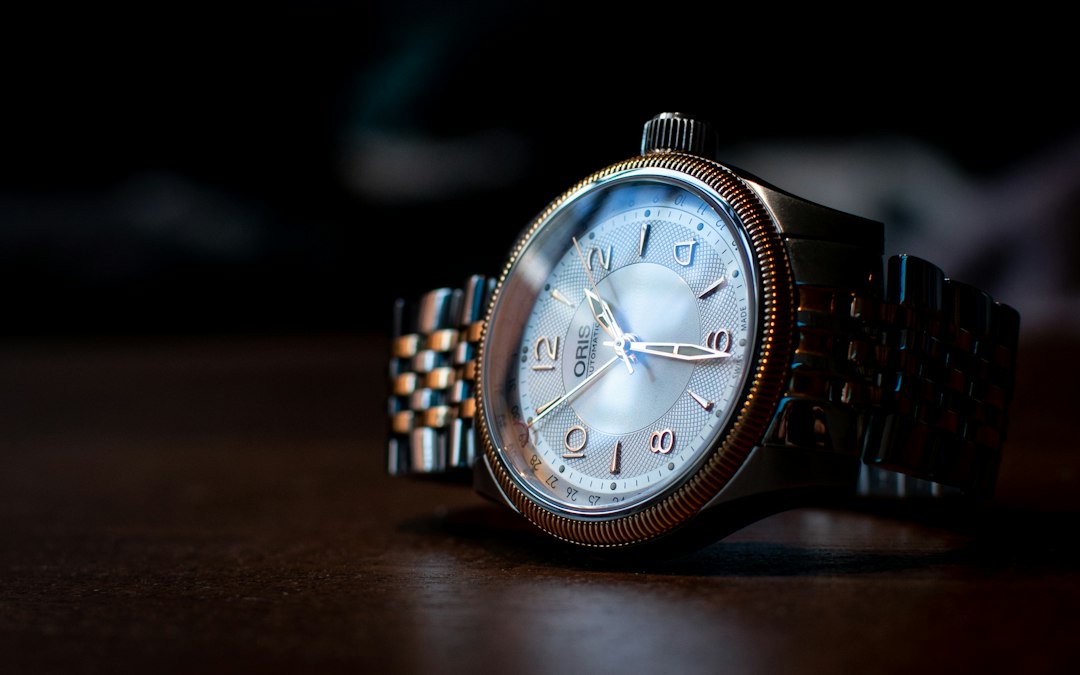
Luxury watches have a long and storied history, dating back centuries. These timepieces have always been a symbol of status and wealth, worn by the elite and those who appreciate the artistry and craftsmanship that goes into creating them. From the intricate movements to the exquisite design, luxury watches are more than just a way to tell time, they are works of art.
Key Takeaways
- Watchmaking is a timeless craft that requires precision and attention to detail.
- Luxury watches have evolved from pocket watches to smartwatches, but traditional mechanical movements remain popular.
- Iconic luxury watch brands include Rolex, Patek Philippe, and Audemars Piguet.
- Watch movements can be quartz, mechanical, or automatic, each with its own advantages and disadvantages.
- The anatomy of a luxury watch includes the dial, case, crown, and strap, with precious metals and gemstones often used for decoration.
- Complications such as chronographs, moon phases, and tourbillons add to the complexity and value of luxury watches.
- Limited edition luxury watches are highly sought after by collectors and enthusiasts.
- Vintage and pre-owned luxury watches have a unique appeal and can be more affordable than new models.
- The future of luxury watches will involve innovation and sustainability, with a focus on new materials and eco-friendly manufacturing processes.
The Art of Watchmaking: A Timeless Craft
The process of creating a luxury watch is a meticulous and intricate one. It begins with the design, where every detail is carefully considered and sketched out. Once the design is finalized, skilled craftsmen begin the process of bringing it to life. Each component of the watch is carefully crafted by hand, from the movement to the dial to the case.
Attention to detail is paramount in watchmaking. Every tiny screw, every gear, every jewel must be perfectly placed and aligned for the watch to function properly. Skilled craftsmen spend hours meticulously assembling each component, ensuring that everything fits together seamlessly. It is a labor-intensive process that requires patience, precision, and a deep understanding of the mechanics of a watch.
The Evolution of Luxury Watches: From Pocket Watches to Smartwatches
Luxury watches have come a long way since their inception. In the early days, watches were large and bulky, designed to be worn as pocket watches. It wasn’t until the early 20th century that wristwatches became popular, thanks in part to their practicality during World War
Over the years, luxury watches have continued to evolve and adapt to changing times. The introduction of quartz technology in the 1970s revolutionized the industry, making watches more accurate and affordable. In recent years, smartwatches have entered the market, combining traditional watchmaking with modern technology.
The World’s Most Iconic Luxury Watch Brands
There are several luxury watch brands that have become synonymous with quality and craftsmanship. Rolex, founded in 1905, is perhaps the most well-known luxury watch brand in the world. Known for their precision and durability, Rolex watches are a favorite among collectors and enthusiasts.
Another iconic luxury watch brand is Patek Philippe. Founded in 1839, Patek Philippe is known for their timeless designs and complicated movements. Their watches are often considered investment pieces, as they tend to retain their value over time.
Other notable luxury watch brands include Audemars Piguet, Omega, and Cartier. Each brand has its own unique history and features that set it apart from the rest.
The Different Types of Watch Movements: Quartz, Mechanical, and Automatic
There are three main types of watch movements: quartz, mechanical, and automatic. Quartz movements are the most common and affordable type of movement. They are powered by a battery and use a quartz crystal to keep time. Quartz watches are known for their accuracy and low maintenance.
Mechanical movements, on the other hand, are powered by a mainspring that must be wound manually. These watches require regular winding to keep them running. Mechanical movements are often preferred by watch enthusiasts for their craftsmanship and traditional appeal.
Automatic movements are similar to mechanical movements, but they have a self-winding mechanism that winds the mainspring as the wearer moves their wrist. This eliminates the need for manual winding and makes automatic watches more convenient to wear.
The Anatomy of a Luxury Watch: Dial, Case, Crown, and Strap
A luxury watch is made up of several components, each playing a crucial role in its overall design and functionality. The dial is the face of the watch, where the time is displayed. It can be simple or intricate, depending on the style of the watch.
The case houses the movement and protects it from damage. It can be made from various materials, such as stainless steel, gold, or platinum. The crown is used to set the time and wind the watch, while the strap or bracelet holds the watch securely on the wrist.
Each component of a luxury watch is carefully chosen and designed to complement the overall aesthetic of the timepiece. From the shape of the case to the color of the dial to the type of strap, every detail is considered to create a cohesive and visually appealing watch.
The Role of Precious Metals and Gemstones in Luxury Watches
Precious metals and gemstones are often used to enhance the beauty and value of luxury watches. Gold, platinum, and stainless steel are commonly used for watch cases, while diamonds and other gemstones are used to add sparkle and luxury to the dial or bezel.
The use of precious metals and gemstones can significantly impact the value of a luxury watch. A watch made from solid gold or platinum will be more expensive than one made from stainless steel. Similarly, a watch adorned with diamonds will be more valuable than one without.
However, it is important to note that not all luxury watches feature precious metals or gemstones. Some brands focus more on the craftsmanship and design of the watch rather than using expensive materials.
The Importance of Complications: Chronographs, Moon Phases, and Tourbillons
Complications are additional features or functions that go beyond simply telling time. They can include chronographs (stopwatches), moon phase displays, tourbillons (a mechanism that counteracts the effects of gravity on the movement), and more.
Complications add complexity and functionality to a luxury watch. They require additional engineering and craftsmanship to incorporate into the movement, making them highly sought after by collectors and enthusiasts.
Some complications, such as chronographs, are more practical in nature and are often used in sports watches. Others, like moon phase displays or tourbillons, are more decorative and showcase the technical prowess of the watchmaker.
The Significance of Limited Edition Luxury Watches
Limited edition luxury watches are highly coveted by collectors and enthusiasts. These watches are produced in limited quantities, making them rare and exclusive. They often feature unique designs or complications that are not available in regular production models.
Limited edition watches can be a way for watch brands to commemorate a special occasion or collaboration. They can also be a way for brands to create buzz and generate excitement among collectors.
The appeal of limited edition watches lies in their exclusivity and potential for future value appreciation. Collectors often view these watches as investment pieces, as they tend to retain their value or even increase in value over time.
The Appeal of Vintage and Pre-Owned Luxury Watches
In recent years, there has been a growing trend of collectors and enthusiasts seeking out vintage and pre-owned luxury watches. These watches have a unique charm and character that cannot be replicated in new watches.
Vintage watches, in particular, have a sense of history and nostalgia attached to them. They often tell a story, having been worn and cherished by previous owners. Some vintage watches have become highly sought after and can command high prices at auctions or from collectors.
Pre-owned luxury watches offer an opportunity to own a high-end timepiece at a more affordable price. These watches have been previously owned but are still in excellent condition. They are often sold by reputable dealers who authenticate and service the watches before selling them.
The Future of Luxury Watches: Innovation and Sustainability
The luxury watch industry is constantly evolving, driven by advancements in technology and changing consumer preferences. One area of innovation is the integration of smart technology into traditional luxury watches. Several luxury watch brands have introduced smartwatches that combine traditional watchmaking with modern features such as fitness tracking and smartphone connectivity.
Another area of focus is sustainability. As consumers become more conscious of their environmental impact, watch brands are exploring ways to reduce their carbon footprint and promote ethical practices. This includes using sustainable materials, implementing recycling programs, and reducing waste in the manufacturing process.
Luxury watches have a rich history and continue to be highly sought after by collectors and enthusiasts. The artistry and craftsmanship that goes into creating these timepieces is unparalleled, making them true works of art. From the intricate movements to the use of precious metals and gemstones, every detail is carefully considered to create a watch that is not only functional but also visually stunning.
As technology continues to advance, luxury watches are evolving to incorporate smart features while still maintaining their traditional appeal. The future of luxury watches lies in innovation and sustainability, as brands strive to meet the changing demands of consumers.
Whether you are a collector, an enthusiast, or simply appreciate the beauty of luxury watches, there is no denying their significance and enduring appeal. These timepieces are more than just a way to tell time, they are a reflection of our history, our craftsmanship, and our desire for beauty and elegance.
More in
More from Jewelry
Jewelry · 24 min
Luxury Bridal Jewelry & Engagement Rings: The Complete Guide
Luxury bridal jewelry and engagement ring guide: master the GIA 4Cs, designer maisons, colored gemstones, custom design, insurance, and insider buying…
Jewelry · 29 min
Watch Collecting & Investment: The Complete Guide
Watch collecting and investment guide: how Rolex, Patek Philippe, Audemars Piguet and Richard Mille hold value, plus complications, auctions and 2026 …
Jewelry · 10 min
Fine Jewelry as an Alternative Asset: The Complete Investment Guide
Why Fine Jewelry Is Emerging as a Serious Asset Class Fine jewelry has quietly transformed from a passion purchase into one of the most compelling alt…