Jewelry · Jewelry
Mastering the Art of Jewelry Craftsmanship: The Key to Creating Timeless Pieces
Jewelry craftsmanship is the art and skill of creating beautiful and intricate pieces of jewelry. It involves the design, creation, and finishing of jewelry using various materials…
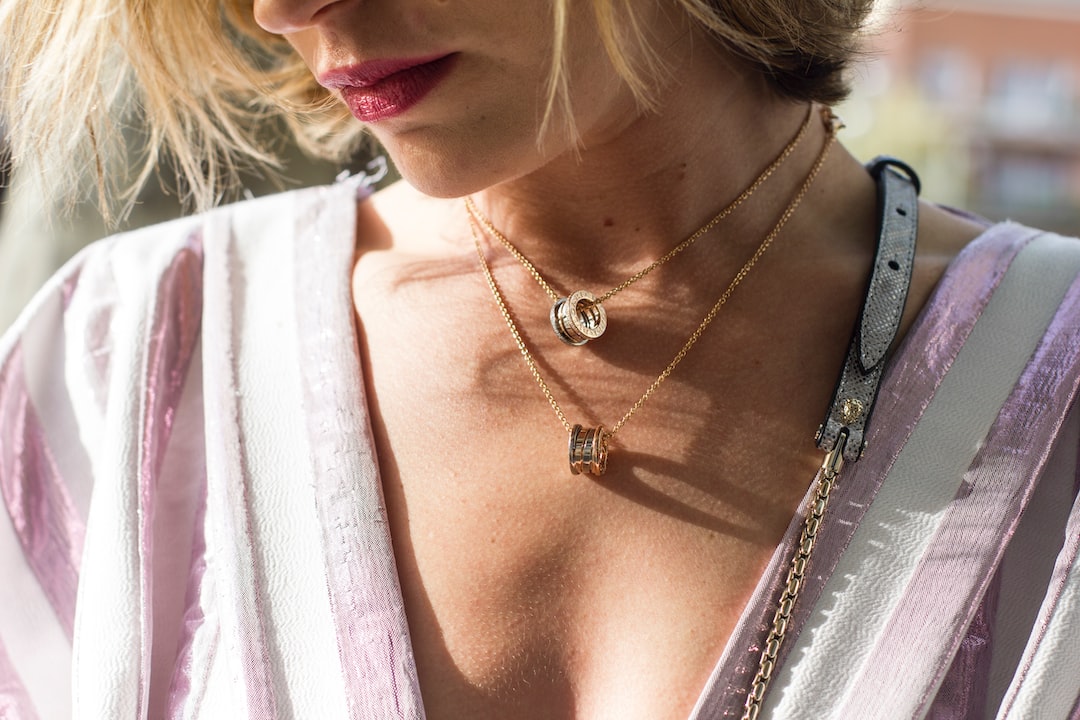
Jewelry craftsmanship is the art and skill of creating beautiful and intricate pieces of jewelry. It involves the design, creation, and finishing of jewelry using various materials and techniques. The history of jewelry making dates back thousands of years, with evidence of jewelry being worn by ancient civilizations such as the Egyptians, Greeks, and Romans. Today, jewelry craftsmanship continues to be an important art form and industry, with artisans and designers creating unique and stunning pieces that are cherished by individuals all over the world.
Key Takeaways
- Jewelry craftsmanship involves creating unique and intricate pieces of jewelry using various techniques and materials.
- Mastering jewelry craftsmanship is important for creating high-quality and durable pieces that stand the test of time.
- Understanding the fundamentals of jewelry design, such as proportion and balance, is crucial for creating aesthetically pleasing pieces.
- Tools and techniques, such as sawing and filing, are essential for jewelry making and require practice to perfect.
- Choosing the right materials, such as metals and gemstones, is important for achieving the desired look and durability of a piece.
The Importance of Mastering Jewelry Craftsmanship
Mastering jewelry craftsmanship is essential for anyone who wants to create high-quality and unique pieces of jewelry. By honing your skills in this craft, you can improve the quality of your work and set yourself apart from other jewelry makers. One of the benefits of mastering jewelry craftsmanship is the ability to create pieces that are durable and well-crafted. By understanding the techniques and materials used in jewelry making, you can ensure that your creations will withstand the test of time.
Furthermore, mastering jewelry craftsmanship allows you to create pieces that are truly unique and one-of-a-kind. By developing your skills in design and technique, you can create pieces that reflect your personal style and vision. This can help you stand out in a crowded market and attract customers who are looking for something special.
Understanding the Fundamentals of Jewelry Design
To master jewelry craftsmanship, it is important to have a solid understanding of the fundamentals of design. This includes understanding the elements of design, such as line, shape, color, texture, and form. These elements can be used to create visually appealing compositions in your jewelry pieces.
In addition to the elements of design, it is also important to understand the principles of design. These principles include balance, proportion, rhythm, emphasis, and unity. By applying these principles to your jewelry making process, you can create pieces that are aesthetically pleasing and well-balanced.
Tools and Techniques for Jewelry Making
Having the right tools and knowing how to use them is crucial in jewelry making. Some essential tools for jewelry making include pliers, wire cutters, files, hammers, and soldering equipment. These tools allow you to manipulate and shape the materials you are working with.
There are also various techniques that can be used in jewelry making, such as wire wrapping, beading, metal stamping, and soldering. Each technique requires different skills and tools, so it is important to familiarize yourself with a variety of techniques to expand your repertoire.
By mastering different tools and techniques, you can create unique and intricate pieces of jewelry that showcase your craftsmanship.
Choosing the Right Materials for Jewelry Making
Choosing the right materials for your jewelry making project is essential for creating high-quality pieces. There are a wide variety of materials that can be used in jewelry making, including metals such as gold, silver, and copper, gemstones, beads, and various types of wire.
When choosing materials, it is important to consider factors such as durability, cost, and aesthetic appeal. For example, if you are creating a piece of jewelry that will be worn frequently, you may want to choose a durable metal such as gold or sterling silver. If you are looking to create a piece with vibrant colors, you may want to incorporate gemstones or colorful beads into your design.
It is also important to consider how different materials work together. For example, certain metals may not be compatible with certain gemstones or beads. Understanding how different materials interact with each other will help you create cohesive and well-designed pieces.
The Role of Creativity in Jewelry Craftsmanship
Creativity plays a crucial role in jewelry making. It allows artisans to think outside the box and create unique and innovative designs. By cultivating creativity in your work, you can create pieces that are truly one-of-a-kind and reflect your personal style.
There are various ways to cultivate creativity in jewelry making. One way is to draw inspiration from the world around you. Take time to observe nature, architecture, and other forms of art. Look for interesting shapes, colors, and textures that can be incorporated into your designs.
Another way to cultivate creativity is to experiment with different materials and techniques. Don’t be afraid to try new things and push the boundaries of traditional jewelry making. By experimenting with different materials and techniques, you may discover new ways to create stunning and unique pieces.
Tips for Achieving Precision and Detail in Jewelry Making
Achieving precision and detail in jewelry making is essential for creating high-quality pieces. One tip for achieving precision is to take your time and work slowly. Rushing through the process can lead to mistakes and sloppy craftsmanship. Take the time to measure and cut materials accurately, and pay attention to small details such as solder joints and stone settings.
Another tip is to invest in quality tools. Using high-quality tools can make a big difference in the precision and detail of your work. Sharp cutters, fine files, and precise pliers can help you achieve clean lines and smooth finishes.
It is also important to practice regularly. The more you practice your craft, the more comfortable you will become with the techniques and tools involved. Practice different techniques, experiment with different materials, and challenge yourself to create increasingly complex designs.
The Art of Soldering and Finishing Jewelry Pieces
Soldering is an important technique in jewelry making that involves joining two or more metal pieces together using heat and a filler metal called solder. Soldering allows artisans to create secure connections between metal components, such as jump rings or earring posts.
There are different types of soldering techniques that can be used in jewelry making, including torch soldering, soldering with a soldering iron, and laser soldering. Each technique requires different tools and skills, so it is important to choose the technique that is best suited for your project.
After soldering, it is important to finish your jewelry pieces for a professional look. This can involve polishing the metal, setting gemstones, or adding decorative elements such as engraving or patina. Finishing techniques can greatly enhance the overall appearance of your jewelry pieces and make them more appealing to customers.
Incorporating Gemstones and Other Decorative Elements in Jewelry Design
Gemstones and other decorative elements can add beauty and value to your jewelry designs. There are a wide variety of gemstones available, each with its own unique colors, shapes, and properties. When incorporating gemstones into your designs, it is important to consider factors such as the hardness of the stone, its durability, and its color.
In addition to gemstones, there are other decorative elements that can be used in jewelry making, such as beads, pearls, and charms. These elements can add texture, color, and visual interest to your designs.
When choosing decorative elements for your jewelry pieces, it is important to consider how they will complement the overall design. The elements should enhance the piece without overpowering it. It is also important to consider the quality of the materials you are using. Using high-quality gemstones and other decorative elements will ensure that your pieces are durable and well-crafted.
The Business of Jewelry Craftsmanship: Marketing and Selling Your Creations
Once you have mastered jewelry craftsmanship, you may want to consider selling your creations. There are various platforms for selling handmade jewelry, including online marketplaces such as Etsy, craft fairs and markets, and even your own website.
When marketing your jewelry pieces, it is important to showcase the unique qualities of your work. Highlight the craftsmanship, materials used, and any special techniques or design elements. Use high-quality photographs to showcase your pieces and provide detailed descriptions that accurately represent the quality and beauty of your work.
Building a successful jewelry making business takes time and effort. It is important to establish a brand identity, build a customer base, and continually refine your skills and designs. By consistently creating high-quality pieces and providing excellent customer service, you can build a reputation as a skilled artisan and attract loyal customers.
In conclusion, jewelry craftsmanship is an art form that requires skill, creativity, and attention to detail. By mastering the techniques and principles of jewelry making, you can create unique and beautiful pieces that are cherished by individuals all over the world. Whether you are a hobbyist or aspiring professional, investing time and effort into mastering jewelry craftsmanship can lead to a rewarding and fulfilling creative journey.
More in
More from Jewelry
Jewelry · 24 min
Luxury Bridal Jewelry & Engagement Rings: The Complete Guide
Luxury bridal jewelry and engagement ring guide: master the GIA 4Cs, designer maisons, colored gemstones, custom design, insurance, and insider buying…

Jewelry · 29 min
Watch Collecting & Investment: The Complete Guide
Watch collecting and investment guide: how Rolex, Patek Philippe, Audemars Piguet and Richard Mille hold value, plus complications, auctions and 2026 …
Jewelry · 10 min
Fine Jewelry as an Alternative Asset: The Complete Investment Guide
Why Fine Jewelry Is Emerging as a Serious Asset Class Fine jewelry has quietly transformed from a passion purchase into one of the most compelling alt…