Jewelry · Jewelry
Pushing Boundaries: Exploring the World of Avant-garde Jewelry
Avant-garde jewelry is a form of artistic expression that pushes the boundaries of traditional jewelry design. It is characterized by its unconventional materials, experimental tec…

Avant-garde jewelry is a form of artistic expression that pushes the boundaries of traditional jewelry design. It is characterized by its unconventional materials, experimental techniques, and innovative approaches to design. Avant-garde jewelry challenges the norms of the jewelry industry and the art world, offering a fresh perspective on what jewelry can be.
The importance of avant-garde jewelry lies in its ability to challenge and redefine the traditional notions of what constitutes jewelry. It breaks away from the constraints of commercialism and mass production, allowing designers to explore their creativity and create unique pieces that are truly works of art. Avant-garde jewelry also serves as a platform for social commentary and self-expression, allowing designers to address important issues and provoke thought through their creations.
Key Takeaways
- Avant-garde jewelry is a form of artistic expression that challenges traditional jewelry design.
- Avant-garde jewelry has evolved from Art Nouveau to contemporary design, pushing the boundaries of traditional jewelry making techniques.
- Materials used in avant-garde jewelry are unconventional and experimental, creating unique and innovative designs.
- Avant-garde jewelry intersects with fashion, sustainability, gender, culture, and technology, creating a diverse and dynamic industry.
- The future of avant-garde jewelry is shaped by trends and new manufacturing processes, anticipating the needs and desires of consumers.
The Evolution of Avant-garde Jewelry: From Art Nouveau to Contemporary Design
The history of avant-garde jewelry can be traced back to the Art Nouveau movement in the late 19th and early 20th centuries. This movement rejected the mass-produced, machine-made jewelry of the time and instead embraced organic forms inspired by nature. Artists such as René Lalique and Georges Fouquet were at the forefront of this movement, creating intricate pieces that showcased their artistic vision.
In the mid-20th century, avant-garde jewelry took on a more abstract and geometric form with the rise of modernism. Artists like Alexander Calder and Art Smith experimented with unconventional materials such as wire and found objects, creating bold and sculptural pieces that challenged traditional notions of jewelry.
Today, avant-garde jewelry continues to evolve with contemporary designers pushing the boundaries even further. Artists like Wallace Chan and Gijs Bakker are known for their innovative use of materials and techniques, creating pieces that are both visually striking and conceptually thought-provoking.
Avant-garde Jewelry Techniques: Pushing the Limits of Traditional Jewelry Making
Avant-garde jewelry techniques often involve unconventional and experimental approaches to jewelry making. These techniques challenge the traditional methods and materials used in jewelry production, allowing designers to create unique and innovative pieces.
One example of an unconventional technique used in avant-garde jewelry is laser cutting. This technique allows designers to create intricate and precise designs that would be difficult to achieve using traditional methods. Laser cutting can be used on a variety of materials, including metal, wood, and acrylic, allowing for endless possibilities in design.
Another technique commonly used in avant-garde jewelry is enameling. Enameling involves fusing powdered glass onto metal surfaces to create vibrant and colorful designs. Avant-garde jewelry designers often push the boundaries of traditional enameling techniques, experimenting with different materials and processes to create unique effects.
The Role of Materials in Avant-garde Jewelry: Unconventional Choices and Experimental Combinations
Avant-garde jewelry designers are known for their unconventional choices of materials. They often use non-traditional materials such as plastic, rubber, and even paper to create their pieces. These materials offer a fresh and unexpected take on jewelry design, challenging the notion that jewelry must be made from precious metals and gemstones.
In addition to using unconventional materials, avant-garde jewelry designers also experiment with material combinations. They may combine contrasting materials such as metal and fabric or wood and glass to create visually striking pieces that defy categorization. These experimental combinations allow designers to create unique textures, colors, and forms that are not possible with traditional materials alone.
Avant-garde Jewelry and Fashion: Exploring the Intersection of Art and Style
Avant-garde jewelry has long been associated with the world of fashion. Designers often collaborate with fashion designers to create one-of-a-kind pieces that complement their clothing collections. Avant-garde jewelry adds an element of artistry and individuality to fashion, allowing designers to create truly unique and memorable looks.
Avant-garde jewelry is often showcased in fashion shows and editorials, where it can be seen in its full glory. These collaborations allow designers to push the boundaries of both jewelry and fashion, creating looks that are truly avant-garde. The combination of avant-garde jewelry and fashion creates a powerful visual statement that challenges conventional notions of style and beauty.
Avant-garde Jewelry and Sustainability: Innovative Approaches to Ethical and Eco-Friendly Design
In recent years, there has been a growing emphasis on sustainability in the fashion and jewelry industries. Avant-garde jewelry designers have embraced this trend, finding innovative ways to create ethical and eco-friendly designs.
One approach to sustainability in avant-garde jewelry is the use of recycled materials. Designers may repurpose old jewelry or other objects to create new pieces, reducing waste and giving new life to discarded materials. They may also use sustainable materials such as ethically sourced gemstones or recycled metals in their designs.
Another approach to sustainability in avant-garde jewelry is the use of alternative materials. Designers may experiment with unconventional materials such as plant-based plastics or biodegradable fibers to create their pieces. These materials offer a more sustainable alternative to traditional materials, reducing the environmental impact of the jewelry industry.
Avant-garde Jewelry and Gender: Challenging Conventional Notions of Masculinity and Femininity
Avant-garde jewelry has long been associated with breaking down gender norms and challenging conventional notions of masculinity and femininity. Designers often create pieces that are gender-neutral or that subvert traditional gender expectations.
For example, avant-garde jewelry designers may create pieces that combine traditionally masculine and feminine elements, blurring the lines between the two. They may also create pieces that challenge traditional notions of beauty, embracing unconventional forms and materials.
Avant-garde Jewelry and Culture: Celebrating Diversity and Cultural Heritage through Design
Avant-garde jewelry designers often draw inspiration from diverse cultures and celebrate cultural heritage through their designs. They may incorporate traditional motifs, symbols, or techniques into their pieces, creating a fusion of old and new.
By incorporating cultural references in their work, avant-garde jewelry designers not only pay homage to the rich history and traditions of different cultures but also challenge the notion of what is considered “mainstream” or “acceptable” in the jewelry industry. They celebrate diversity and promote inclusivity through their designs, creating pieces that resonate with people from all walks of life.
Avant-garde Jewelry and Technology: Embracing Digital Tools and New Manufacturing Processes
Avant-garde jewelry designers have embraced technology in their work, using digital tools and new manufacturing processes to create their pieces. One example of this is the use of 3D printing in jewelry design. 3D printing allows designers to create intricate and complex designs that would be difficult or impossible to achieve using traditional methods.
Designers can also use computer-aided design (CAD) software to create virtual models of their designs before they are brought to life. This allows for greater precision and control over the final product, ensuring that the designer’s vision is realized.
Avant-garde Jewelry and the Future: Anticipating Trends and Shaping the Jewelry Industry
Avant-garde jewelry designers are at the forefront of shaping the future of the jewelry industry. They are constantly pushing the boundaries of design, experimenting with new materials, techniques, and technologies to create innovative and unique pieces.
One trend that is likely to continue in avant-garde jewelry is the emphasis on sustainability. As consumers become more conscious of the environmental impact of the fashion and jewelry industries, avant-garde jewelry designers will continue to find innovative ways to create ethical and eco-friendly designs.
Another trend in avant-garde jewelry is the exploration of new forms and materials. Designers will continue to experiment with unconventional materials and push the limits of traditional jewelry making to create pieces that are truly avant-garde.
In conclusion, avant-garde jewelry is an important and influential part of the jewelry industry and the art world. It challenges traditional notions of jewelry design, pushing the boundaries of materials, techniques, and aesthetics. Avant-garde jewelry celebrates creativity, individuality, and self-expression, offering a fresh perspective on what jewelry can be. As avant-garde jewelry continues to evolve and shape the future of the industry, it will undoubtedly continue to inspire and provoke thought in both the fashion and art worlds.
More in
More from Jewelry
Jewelry · 24 min
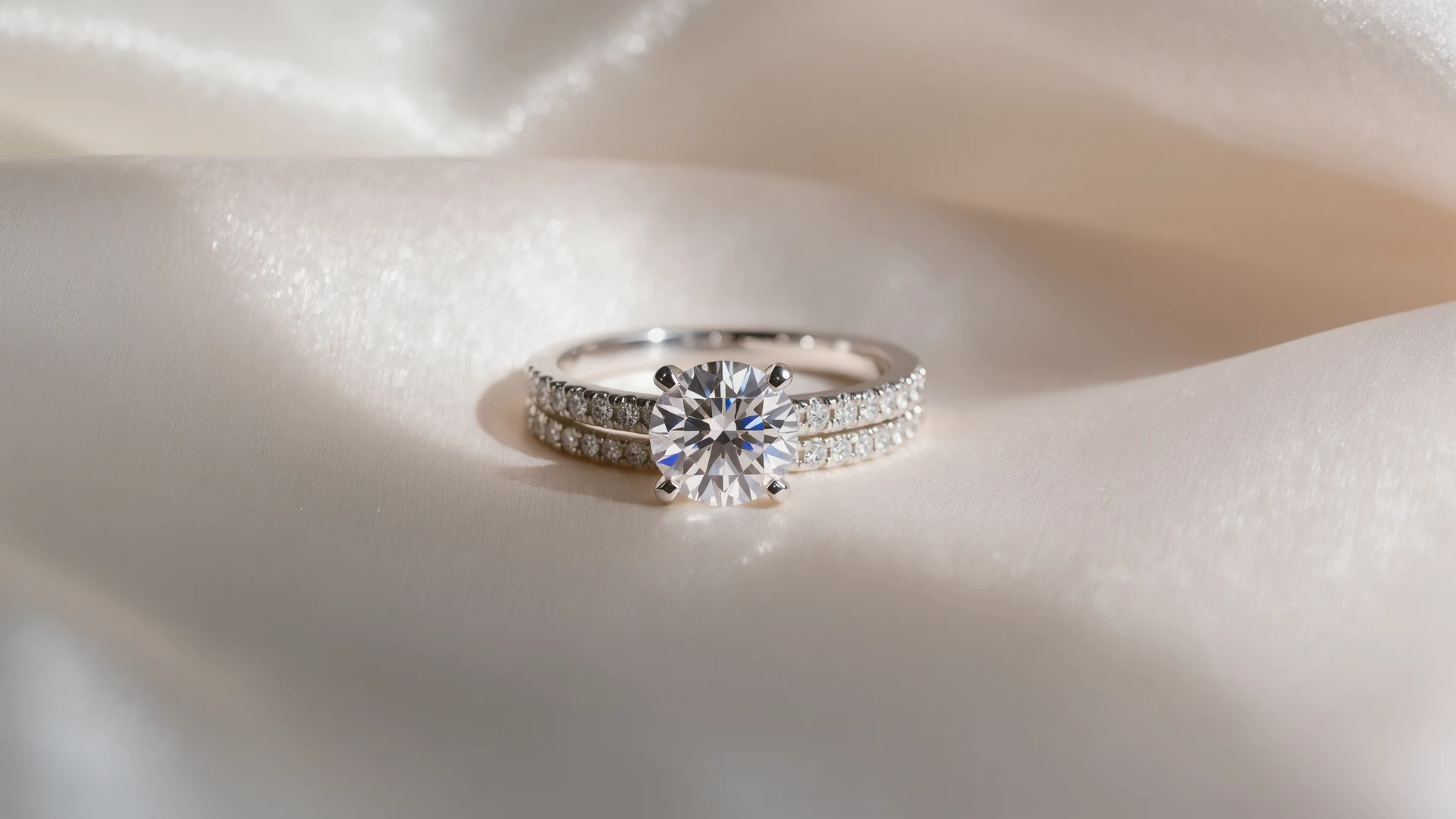
Luxury Bridal Jewelry & Engagement Rings: The Complete Guide
Luxury bridal jewelry and engagement ring guide: master the GIA 4Cs, designer maisons, colored gemstones, custom design, insurance, and insider buying…
Jewelry · 29 min
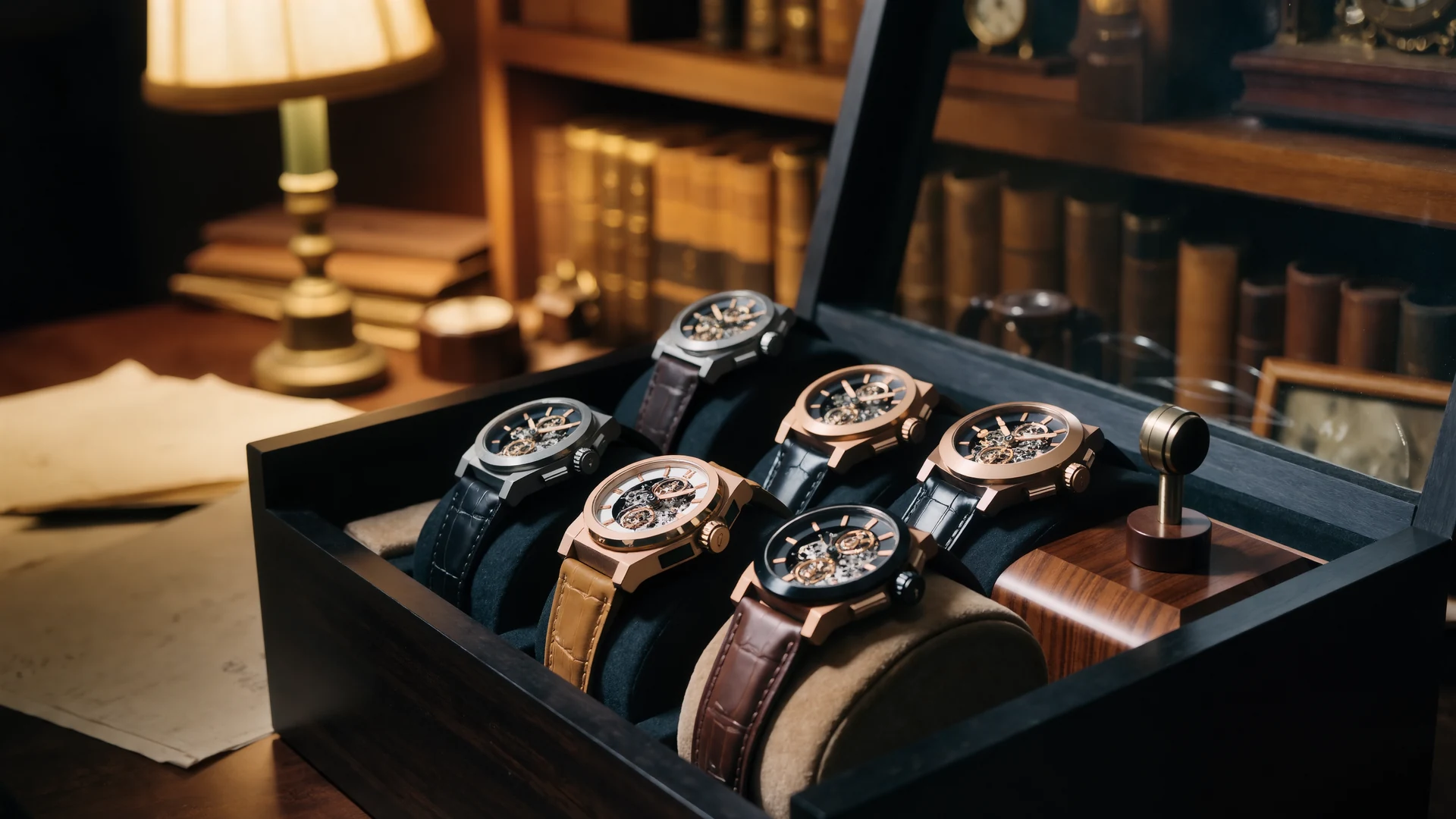
Watch Collecting & Investment: The Complete Guide
Watch collecting and investment guide: how Rolex, Patek Philippe, Audemars Piguet and Richard Mille hold value, plus complications, auctions and 2026 …
Jewelry · 10 min
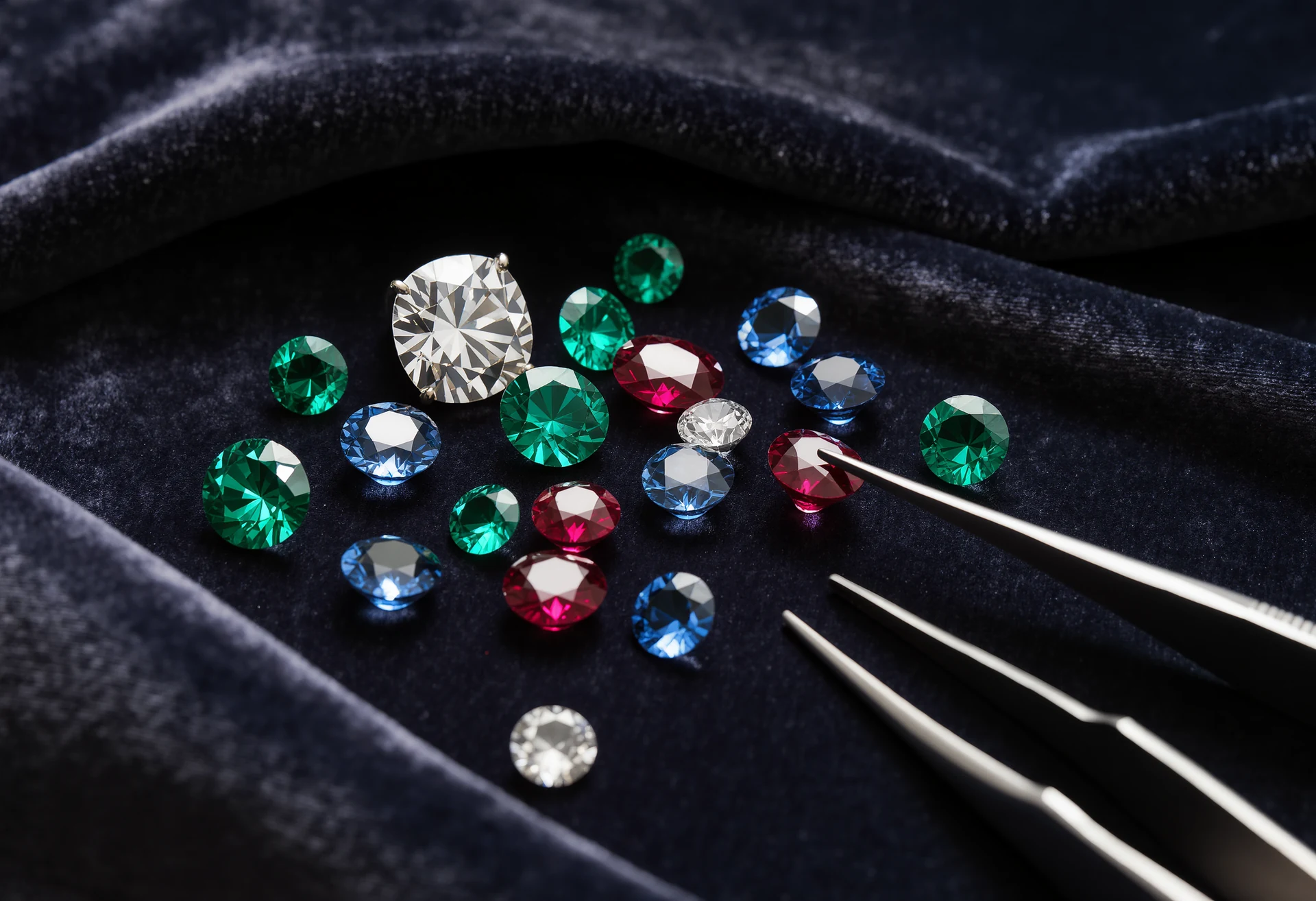
Fine Jewelry as an Alternative Asset: The Complete Investment Guide
Why Fine Jewelry Is Emerging as a Serious Asset Class Fine jewelry has quietly transformed from a passion purchase into one of the most compelling alt…