Revolutionizing Accessory Fashion: Exploring the World of Modern Jewelry Design
Jewelry has been a part of human culture for thousands of years, with evidence of its existence dating back to ancient civilizations. From simple adornments made from shells and bo…
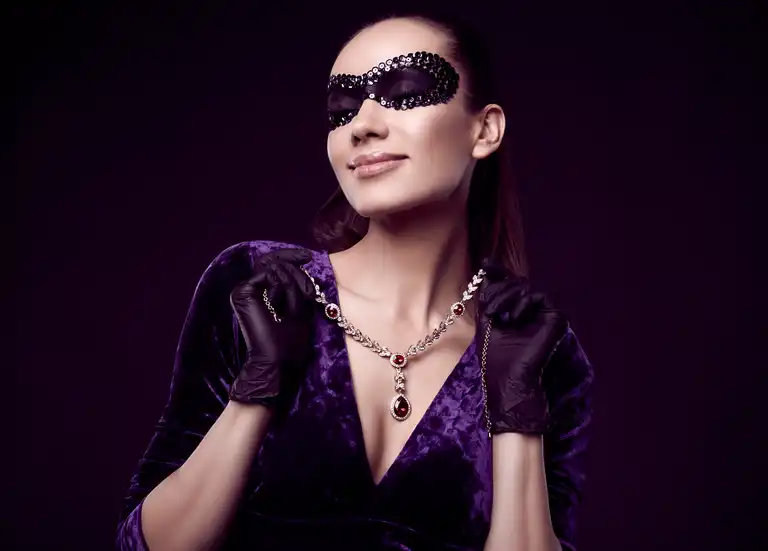
Jewelry has been a part of human culture for thousands of years, with evidence of its existence dating back to ancient civilizations. From simple adornments made from shells and bones to intricate pieces crafted from precious metals and gemstones, jewelry has always held a special place in human society. In modern times, jewelry design has evolved into a thriving industry that combines artistry, craftsmanship, and fashion.
The importance of jewelry in fashion cannot be overstated. It has the power to elevate an outfit, express personal style, and make a statement. Whether it’s a delicate necklace, a bold statement ring, or a pair of elegant earrings, jewelry has the ability to transform an ordinary look into something extraordinary. It adds a touch of glamour and sophistication to any ensemble, and can be used to convey a wide range of emotions and messages.
Key Takeaways
- Modern jewelry design combines traditional techniques with contemporary aesthetics.
- Accessory fashion has evolved from simple adornments to statement pieces that reflect personal style.
- Technology has revolutionized jewelry design, allowing for more intricate and precise creations.
- Sustainable and ethical practices are becoming increasingly important in the jewelry industry.
- Innovative materials such as 3D printing and recycled metals are being used in modern jewelry design.
The Evolution of Accessory Fashion
Accessory fashion, including jewelry, has undergone significant changes over time. In ancient civilizations, jewelry was often worn as a symbol of status and wealth. It was also used as a form of protection or as a talisman to ward off evil spirits. As societies evolved and cultures intermingled, jewelry design began to reflect these changes.
The impact of cultural and societal changes on accessory fashion cannot be ignored. As societies became more interconnected through trade and exploration, new materials and techniques were introduced into the world of jewelry design. For example, the discovery of new trade routes brought exotic gemstones from faraway lands, such as rubies from Burma and emeralds from Colombia. These precious stones became highly sought after and were incorporated into elaborate designs.
The Role of Technology in Jewelry Design
Technology has played a significant role in shaping modern jewelry design. From the invention of the steam-powered lathe in the 19th century to the use of computer-aided design (CAD) software in the present day, technology has revolutionized the way jewelry is made.
One of the most notable examples of technology in jewelry making is the use of 3D printing. This innovative technique allows designers to create intricate and complex pieces that would be impossible to make by hand. With 3D printing, designers can experiment with different shapes, textures, and materials, pushing the boundaries of traditional jewelry design.
Sustainable and Ethical Practices in Jewelry Making
In recent years, there has been a growing awareness of the environmental and ethical impact of the fashion industry, including jewelry making. As a result, many designers are adopting sustainable and ethical practices in their work.
Sustainability in jewelry making involves using materials and processes that have a minimal impact on the environment. This can include using recycled metals and gemstones, as well as implementing energy-efficient production methods. Ethical practices, on the other hand, focus on ensuring fair labor practices and supporting local communities.
Innovative Materials in Modern Jewelry Design
In addition to new technologies, modern jewelry designers are also experimenting with innovative materials to create unique and unconventional pieces. These materials can range from natural elements like wood and feathers to man-made substances like acrylic and resin.
The use of innovative materials in modern jewelry design offers both benefits and challenges. On one hand, these materials allow designers to create pieces that are lightweight, durable, and affordable. They also offer a wider range of colors and textures than traditional materials. However, working with unconventional materials can be more difficult and time-consuming than working with traditional ones. It requires a deep understanding of the material’s properties and limitations, as well as specialized techniques for shaping and finishing.
Emerging Trends in Accessory Fashion
Like any other aspect of fashion, accessory fashion is constantly evolving. New trends emerge every season, reflecting changes in society, culture, and technology. In recent years, some of the most notable trends in accessory fashion have included minimalist designs, mixed metals, and statement earrings.
Minimalist designs, characterized by clean lines and simple shapes, have become increasingly popular in recent years. These pieces are often made from precious metals like gold and silver, and are designed to be worn alone or layered for a more personalized look.
Mixed metals, on the other hand, offer a more eclectic and playful approach to accessory fashion. This trend involves combining different metals, such as gold and silver, in a single piece. The result is a unique and eye-catching design that adds a touch of whimsy to any outfit.
Statement earrings have also become a staple in accessory fashion. These bold and oversized earrings are designed to make a statement and draw attention to the face. They can be made from a variety of materials, including metal, gemstones, and even fabric.
The Intersection of Art and Jewelry Design
Art and jewelry design have always been closely intertwined. Throughout history, artists have used jewelry as a medium for self-expression and as a way to explore new ideas and concepts. From the ancient Egyptians who adorned themselves with intricate gold jewelry to the modern artists who incorporate jewelry into their installations, the relationship between art and jewelry design is undeniable.
One example of an artist who has incorporated jewelry into their work is Alexander Calder. Known for his mobile sculptures, Calder also created a series of wearable art pieces that blurred the line between jewelry and sculpture. His bold and abstract designs challenged traditional notions of what jewelry should be, and paved the way for future artists to explore new possibilities in jewelry design.
The Significance of Personalization in Jewelry
In today’s fast-paced world, personalization has become increasingly important in all aspects of life, including fashion. People want to express their individuality and uniqueness through their clothing and accessories, and jewelry is no exception.
Modern technology has made personalization more accessible than ever before. With the advent of laser engraving and 3D printing, designers can create custom pieces that are tailored to each individual’s preferences. This allows customers to create one-of-a-kind pieces that reflect their personal style and tell their own story.
The Future of Accessory Fashion
As with any industry, the future of accessory fashion is constantly evolving. Predicting the exact direction it will take is difficult, but there are some trends and developments that are likely to shape the industry in the coming years.
One of the key trends that is expected to continue is the focus on sustainability and ethical practices. As consumers become more conscious of the environmental and social impact of their purchases, they are demanding more transparency and accountability from brands. This will likely lead to an increase in the use of recycled materials, as well as a shift towards local and artisanal production.
Another trend that is expected to gain momentum is the use of technology in jewelry design. As new technologies continue to emerge, designers will have even more tools at their disposal to create innovative and unique pieces. From virtual reality to augmented reality, these technologies will allow customers to interact with jewelry in new and exciting ways.
Influential Modern Jewelry Designers to Watch
There are many talented and influential modern jewelry designers who are pushing the boundaries of traditional jewelry design. Here are just a few names to watch:
– JAR: Known for his exquisite craftsmanship and attention to detail, JAR creates one-of-a-kind pieces that are highly sought after by collectors around the world.
– Delfina Delettrez: This Italian designer combines traditional craftsmanship with innovative materials to create bold and whimsical designs. Her pieces often feature surreal motifs, such as eyes and lips, and are loved by celebrities and fashionistas alike.
– Ana Khouri: With a background in sculpture, Khouri brings a unique perspective to jewelry design. Her pieces are often inspired by nature and feature organic shapes and textures.
In conclusion, modern jewelry design is a dynamic and ever-evolving field that combines artistry, craftsmanship, and fashion. From the use of innovative materials to the incorporation of technology, designers are constantly pushing the boundaries of traditional jewelry design. The future of accessory fashion is likely to be shaped by trends such as sustainability, personalization, and the use of technology. As consumers become more conscious of the environmental and ethical impact of their purchases, designers will need to adapt and embrace these changes. Ultimately, modern jewelry design will continue to play a significant role in fashion and culture, allowing individuals to express their personal style and make a statement.
More from Jewelry
Luxury Bridal Jewelry & Engagement Rings: The Complete Guide
Luxury bridal jewelry and engagement ring guide: master the GIA 4Cs, designer maisons, colored gemstones, custom design, insurance, and insider buying…
Watch Collecting & Investment: The Complete Guide
Watch collecting and investment guide: how Rolex, Patek Philippe, Audemars Piguet and Richard Mille hold value, plus complications, auctions and 2026 …
Fine Jewelry as an Alternative Asset: The Complete Investment Guide
Why Fine Jewelry Is Emerging as a Serious Asset Class Fine jewelry has quietly transformed from a passion purchase into one of the most compelling alt…