Jewelry · Jewelry
Shine Bright: Why Investing in Jewelry is a Smart Financial Move
Investing in jewelry is a topic that has gained significant attention in recent years. While many people may view jewelry as simply a fashion accessory or a luxury item, it can act…
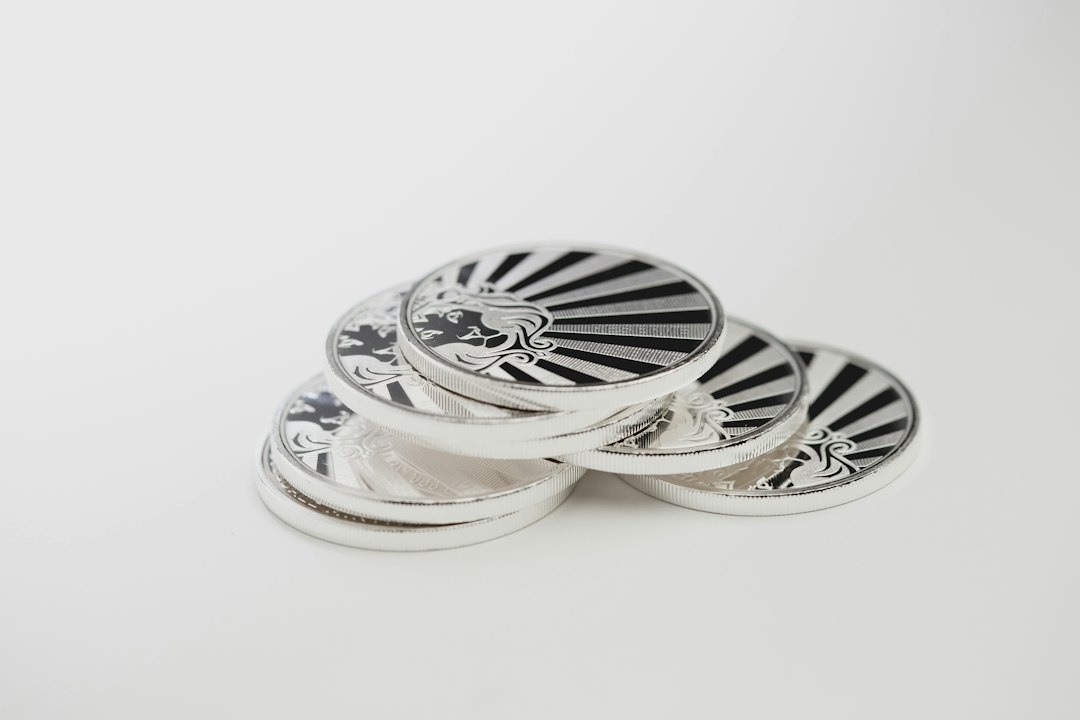
Investing in jewelry is a topic that has gained significant attention in recent years. While many people may view jewelry as simply a fashion accessory or a luxury item, it can actually be a wise investment choice. Jewelry has a timeless value that can appreciate over time, making it a safe bet for long-term investment. In addition, jewelry offers several other benefits such as diversification, protection against inflation, emotional value, and the potential for resale profit. In this article, we will explore these various aspects of investing in jewelry and why it is an important consideration for individuals looking to build wealth.
Key Takeaways
- Jewelry is a safe investment bet that holds timeless value.
- Investing in jewelry diversifies your portfolio and provides a tangible asset.
- Unique jewelry pieces are worth the investment due to their rarity factor.
- Jewelry is a wise financial move as it acts as a hedge against inflation.
- Jewelry holds emotional value and can be passed down as a legacy.
The Timeless Value of Jewelry: A Safe Investment Bet
One of the key reasons why investing in jewelry is a smart move is because of its timeless value. Unlike other assets that may fluctuate in price or become obsolete over time, jewelry has a lasting appeal that transcends generations. Throughout history, jewelry has been treasured and passed down from one generation to the next, making it a valuable asset that stands the test of time.
Jewelry also holds historical value, with certain pieces becoming iconic symbols of different eras. For example, the Cartier Love Bracelet is not only a beautiful piece of jewelry but also represents the spirit of love and commitment. Similarly, the Tiffany & Co. engagement ring has become synonymous with love and romance. These pieces have become part of our cultural heritage and their value only increases with time.
Moreover, jewelry can be considered a safe haven asset. During times of economic uncertainty or market volatility, investors often turn to assets that are less affected by market fluctuations. Jewelry fits this criteria as it is not directly tied to the stock market or other financial instruments. This makes it an attractive option for those looking to diversify their investment portfolio and protect their wealth.
Jewelry as a Tangible Asset: A Diversification Strategy
Diversifying one’s investment portfolio is a key strategy for reducing risk and maximizing returns. By spreading investments across different asset classes, investors can minimize the impact of any one investment on their overall portfolio. Jewelry can play a crucial role in diversification as it is a tangible asset that is not correlated with traditional financial markets.
Unlike stocks or bonds, which are intangible and can be affected by market fluctuations, jewelry is a physical asset that can be held and enjoyed. This provides a sense of security and stability, especially during times of economic uncertainty. In addition, jewelry has a low correlation with other asset classes such as real estate or commodities, making it an effective diversification tool.
By including jewelry in an investment portfolio, investors can balance the risk and return of their overall portfolio. This can help to reduce volatility and potentially increase long-term returns. Furthermore, jewelry can act as a hedge against inflation, which is another important consideration for investors.
The Rarity Factor: Why Unique Jewelry Pieces are Worth the Investment
One of the key factors that contribute to the value of jewelry is its rarity. Unique and one-of-a-kind pieces are highly sought after by collectors and enthusiasts, driving up their value over time. The scarcity of certain gemstones or designs can make them even more valuable, as they become increasingly difficult to find.
For example, the Hope Diamond is one of the most famous and valuable diamonds in the world. Its deep blue color and large size make it extremely rare, resulting in its high price tag. Similarly, the Pink Star Diamond is another rare gemstone that fetched a record-breaking price at auction.
Investing in rare and unique jewelry pieces can be a profitable venture as their value tends to appreciate over time. However, it is important to note that not all jewelry will increase in value. It requires careful research and knowledge to identify pieces that have the potential for appreciation.
Jewelry as a Hedge Against Inflation: A Wise Financial Move
Inflation is a concern for many investors as it erodes the purchasing power of their money over time. In order to protect against inflation, investors often turn to assets that have historically held their value. Jewelry is one such asset that can act as a hedge against inflation.
Unlike paper currency or other financial instruments, jewelry is a tangible asset that retains its value over time. Precious metals such as gold and silver, which are commonly used in jewelry, have long been considered a store of value. These metals have intrinsic worth and are not subject to the same fluctuations as fiat currency.
Furthermore, the demand for jewelry tends to increase during periods of inflation as people look for alternative ways to preserve their wealth. This increased demand can drive up the price of jewelry, making it a wise investment choice during inflationary times.
The Emotional Value of Jewelry: A Legacy to Pass Down
While the financial aspects of investing in jewelry are important, there is also an emotional value that cannot be overlooked. Jewelry often holds sentimental value and can be passed down through generations as a family heirloom. This emotional connection adds another layer of significance to the investment.
Jewelry can hold memories and stories that are passed down along with the piece itself. It can serve as a reminder of loved ones or special moments in life. This emotional value can make jewelry even more precious and meaningful, making it a valuable asset to pass down as a legacy.
For example, a grandmother’s engagement ring or a mother’s necklace can hold deep sentimental value for future generations. These pieces become part of the family history and carry with them the love and memories of those who wore them before.
The Resale Value of Jewelry: A Profitable Option for the Future
Investing in jewelry not only provides emotional value but also has the potential for financial gain. Jewelry can be sold for profit in the future, especially if it is rare or in high demand. However, there are several factors that can affect the resale value of jewelry.
The quality of the materials used, such as the purity of the gold or the clarity of the gemstones, can greatly impact the value of a piece. In addition, the brand or designer can also play a role in determining the resale value. High-end luxury brands such as Cartier or Tiffany & Co. tend to hold their value better than lesser-known brands.
Furthermore, the condition of the jewelry and any accompanying documentation, such as certificates of authenticity or appraisals, can also affect its resale value. It is important to take proper care of jewelry and keep it in good condition in order to maximize its potential resale value.
When selling jewelry, it is advisable to work with reputable dealers or auction houses that specialize in jewelry. They have the expertise and connections to ensure that you get a fair price for your investment. Additionally, it is important to be patient and not rush into selling, as timing can greatly impact the price you receive.
The Luxury Factor: Why High-End Jewelry is a Smart Investment
Investing in high-end luxury jewelry can be a smart move for those looking to build wealth. Luxury brands have a reputation for quality and craftsmanship, which adds to their value over time. In addition, these brands often have a loyal customer base that is willing to pay a premium for their products.
Luxury jewelry brands such as Cartier, Tiffany & Co. and Van Cleef & Arpels have established themselves as leaders in the industry. Their designs are timeless and their pieces are often considered works of art. Investing in high-end jewelry from these brands can be a way to own a piece of history and potentially see its value appreciate over time.
Furthermore, luxury jewelry is often made with high-quality materials such as 18k gold or platinum and features rare gemstones. These materials and gemstones hold their value better than lower-quality alternatives, making luxury jewelry a more secure investment.
The Collectible Factor: Investing in Vintage and Antique Jewelry
Vintage and antique jewelry can be a valuable investment option for those looking for unique pieces with historical significance. These pieces often have a story to tell and can be highly sought after by collectors. Investing in vintage and antique jewelry requires knowledge and expertise to identify valuable pieces.
Certain periods in history, such as the Art Deco or Victorian era, produced jewelry that is highly collectible today. These pieces often feature intricate designs and rare gemstones, making them even more valuable. Additionally, vintage and antique jewelry can appreciate in value over time as they become increasingly rare.
When investing in vintage and antique jewelry, it is important to consider factors such as the condition of the piece, the rarity of the design, and any accompanying documentation. Working with reputable dealers or experts in the field can help ensure that you are making a wise investment.
Jewelry as a Status Symbol: A Wise Choice for Building Wealth
Jewelry has long been associated with wealth and status. Throughout history, people have adorned themselves with jewelry as a way to display their wealth and social standing. This tradition continues today, with jewelry being seen as a status symbol in many cultures.
Investing in jewelry can be a way to build wealth while also enjoying the benefits of owning luxury items. High-end jewelry brands are often associated with prestige and exclusivity, making their pieces highly desirable. By investing in these brands, individuals can not only enjoy the beauty of the jewelry but also enhance their social status.
Furthermore, jewelry can be used as collateral for loans or other financial transactions. Its intrinsic value makes it an attractive asset for lenders, providing individuals with additional financial flexibility.
The Personalized Value of Jewelry: A Unique and Meaningful Investment
Personalized jewelry holds a special place in the hearts of many individuals. Whether it is a custom-designed piece or one that carries a personal message or symbol, personalized jewelry can be a valuable investment both emotionally and financially.
Custom-designed jewelry allows individuals to create a unique piece that reflects their personal style and taste. These pieces are often one-of-a-kind and can appreciate in value over time. Additionally, personalized jewelry can hold sentimental value and become a cherished family heirloom.
When choosing personalized jewelry for investment, it is important to consider factors such as the quality of the materials used, the craftsmanship, and the design. Working with a reputable jeweler who specializes in custom designs can help ensure that you are making a wise investment.
Investing in jewelry is not only a way to enjoy beautiful pieces but also a smart financial move. Jewelry offers several benefits such as diversification, protection against inflation, emotional value, and the potential for resale profit. Whether it is high-end luxury jewelry, vintage and antique pieces, or personalized designs, there are many options to consider when investing in jewelry.
It is important to do thorough research and work with reputable dealers or experts in the field to ensure that you are making wise investment choices. By carefully selecting pieces that have the potential for appreciation and holding onto them for the long term, individuals can build wealth while also enjoying the beauty and sentimentality of jewelry.
More in
More from Jewelry
Jewelry · 24 min
Luxury Bridal Jewelry & Engagement Rings: The Complete Guide
Luxury bridal jewelry and engagement ring guide: master the GIA 4Cs, designer maisons, colored gemstones, custom design, insurance, and insider buying…
Jewelry · 29 min
Watch Collecting & Investment: The Complete Guide
Watch collecting and investment guide: how Rolex, Patek Philippe, Audemars Piguet and Richard Mille hold value, plus complications, auctions and 2026 …
Jewelry · 10 min
Fine Jewelry as an Alternative Asset: The Complete Investment Guide
Why Fine Jewelry Is Emerging as a Serious Asset Class Fine jewelry has quietly transformed from a passion purchase into one of the most compelling alt…