Jewelry · Jewelry
Shine Bright with Ethical Elegance: The Beauty of Conflict-Free Diamonds
Conflict diamonds, also known as blood diamonds, have been a topic of concern for many years. These diamonds are mined in war zones and sold to finance armed conflict against gover…

Conflict diamonds, also known as blood diamonds, have been a topic of concern for many years. These diamonds are mined in war zones and sold to finance armed conflict against governments. The trade of conflict diamonds has had devastating impacts on human rights and the environment. It is important for consumers to understand the issue and make informed choices when purchasing diamonds. By supporting ethical sourcing practices, consumers can contribute to positive change in the diamond industry.
Key Takeaways
- Conflict diamonds are diamonds that are mined in war zones and sold to finance armed conflict against governments.
- Ethical sourcing of diamonds ensures that the diamonds are not associated with human rights abuses, environmental damage, or conflict.
- Diamond mining can have negative impacts on the environment and local communities, but ethical mining practices can mitigate these effects.
- More people are choosing conflict-free diamonds as part of a growing trend towards ethical consumerism.
- Conflict-free diamonds can be a beautiful and sustainable luxury option for those who want to make a positive impact with their purchases.
Understanding Conflict Diamonds: What They Are and Why They Matter
Conflict diamonds are diamonds that are mined in war zones and sold to finance armed conflict against governments. These diamonds have been used to fund civil wars, human rights abuses, and other atrocities. The trade of conflict diamonds has had a significant impact on human rights, as miners are often forced to work in dangerous conditions and subjected to violence and exploitation.
In addition to the human rights implications, conflict diamonds also have a negative impact on the environment. The mining of these diamonds often involves destructive practices such as deforestation, soil erosion, and pollution of water sources. The environmental damage caused by conflict diamond mining can have long-lasting effects on ecosystems and local communities.
The Importance of Ethical Sourcing: How Conflict-Free Diamonds Benefit Everyone
Ethical sourcing refers to the practice of ensuring that products are produced in a way that is socially and environmentally responsible. When it comes to diamonds, ethical sourcing means ensuring that they are not sourced from conflict zones and that the workers involved in their production are treated fairly.
Ethical sourcing benefits everyone involved in the diamond industry. For consumers, it provides peace of mind knowing that their purchase is not contributing to human rights abuses or environmental destruction. Ethical sourcing also benefits jewelers by allowing them to align their business practices with their values and attract socially conscious customers.
Diamond-producing communities also benefit from ethical sourcing practices. When diamonds are sourced ethically, it can help improve working conditions for miners and provide them with fair wages. It can also support community development initiatives, such as education and healthcare programs.
There are many companies and organizations that are actively promoting ethical sourcing practices in the diamond industry. For example, the Responsible Jewellery Council (RJC) is an international organization that sets standards for responsible business practices in the jewelry supply chain. Many jewelers are also taking steps to ensure that their diamonds are sourced ethically, such as sourcing from mines that adhere to strict environmental and labor standards.
The Ethics of Diamond Mining: Balancing Environmental and Social Concerns
Diamond mining has both social and environmental impacts that need to be considered. On the social side, diamond mining can have negative effects on local communities, such as displacement of indigenous peoples, loss of livelihoods, and human rights abuses. It is important for mining companies to engage with local communities and ensure that their rights are respected.
On the environmental side, diamond mining can cause significant damage to ecosystems. This includes deforestation, soil erosion, and pollution of water sources. Mining companies need to implement sustainable practices to minimize these impacts and rehabilitate the land after mining operations have ceased.
Efforts are being made to mitigate the negative impacts of diamond mining and promote sustainable practices. For example, some mining companies are implementing measures to reduce their carbon footprint and minimize water usage. They are also working with local communities to develop sustainable livelihoods and protect biodiversity.
The Rise of Ethical Consumerism: Why More People are Choosing Conflict-Free Diamonds
In recent years, there has been a growing trend towards ethical consumerism. Consumers are becoming more conscious of the social and environmental impacts of their purchases and are actively seeking out products that align with their values.
When it comes to diamonds, more people are choosing conflict-free diamonds because they want to ensure that their purchase is not contributing to human rights abuses or environmental destruction. They want to support companies that are committed to ethical sourcing practices and are transparent about their supply chain.
There are several factors driving consumer choices when it comes to diamonds. One factor is social responsibility. Consumers want to support companies that are socially responsible and are making a positive impact in the world. They also want to align their personal values with their purchasing decisions.
Another factor is personal values. Many consumers value sustainability and want to ensure that the products they purchase are produced in an environmentally responsible way. They also value fairness and want to support companies that treat their workers well and provide them with fair wages.
The Beauty of Sustainable Luxury: How Conflict-Free Diamonds Can Elevate Your Style
Choosing conflict-free diamonds doesn’t mean sacrificing style or luxury. In fact, there are many sustainable luxury brands and designers that offer beautiful and high-quality conflict-free diamonds.
Sustainable luxury brands are committed to ethical sourcing practices and prioritize transparency in their supply chain. They work with suppliers who adhere to strict environmental and labor standards, ensuring that their diamonds are sourced responsibly.
By choosing conflict-free diamonds, consumers can elevate their personal style while also making a positive impact in the world. They can wear their diamonds with pride, knowing that they are not contributing to human rights abuses or environmental destruction.
The Future of Diamond Mining: Innovations in Ethical Sourcing and Sustainability
The diamond industry is constantly evolving, and there are many innovations in ethical sourcing and sustainability that are shaping the future of diamond mining.
One innovation is the use of blockchain technology to track the journey of diamonds from mine to market. This technology provides a transparent record of a diamond’s origin, ensuring that it is sourced ethically. It also allows consumers to verify the authenticity of their diamonds and ensure that they are conflict-free.
Another innovation is the development of synthetic diamonds. These diamonds are created in a laboratory using advanced technology, eliminating the need for traditional mining practices. Synthetic diamonds have a smaller environmental footprint and are often more affordable than natural diamonds.
The Human Cost of Conflict Diamonds: Stories of Those Affected by Unethical Practices
It is important to recognize the human cost of conflict diamonds and the impact they have on individuals and communities. There are many personal stories of individuals who have been impacted by unethical practices in the diamond industry.
For example, there are stories of miners who work in dangerous conditions and are subjected to violence and exploitation. These miners often earn very low wages and are not provided with proper safety equipment or training.
There are also stories of communities that have been displaced or had their livelihoods destroyed by diamond mining operations. These communities often suffer from poverty, lack of access to basic services, and loss of cultural heritage.
By sharing these stories, we can raise awareness about the human cost of conflict diamonds and inspire consumers to make more informed choices when purchasing diamonds.
Choosing the Right Jeweler: How to Find a Trusted Source for Conflict-Free Diamonds
When it comes to purchasing conflict-free diamonds, it is important to find a reputable jeweler that is committed to ethical sourcing practices. Here are some tips for finding a trusted source:
1. Research the jeweler’s reputation: Look for reviews and testimonials from previous customers. Check if the jeweler is a member of any industry organizations that promote ethical sourcing, such as the Responsible Jewellery Council.
2. Ask about their sourcing practices: A reputable jeweler should be able to provide information about where their diamonds come from and how they ensure that they are conflict-free. They should also be transparent about their supply chain.
3. Look for certifications: Many jewelers offer certified conflict-free diamonds. Look for certifications such as the Kimberley Process Certification Scheme, which ensures that diamonds are sourced from conflict-free zones.
4. Consider their commitment to sustainability: In addition to ethical sourcing, consider if the jeweler has other sustainability initiatives in place, such as using recycled metals or supporting environmental conservation projects.
The Role of Certification: Understanding the Standards for Ethical Diamond Sourcing
Certification programs play a crucial role in ensuring that diamonds are sourced ethically. These programs set standards for responsible business practices in the diamond industry and provide a way for consumers to verify the authenticity and ethical sourcing of their diamonds.
One of the most well-known certification programs is the Kimberley Process Certification Scheme (KPCS). The KPCS was established in 2003 to prevent conflict diamonds from entering the legitimate diamond trade. It requires participating countries to implement measures to ensure that their diamonds are conflict-free.
There are also other certification programs, such as the Responsible Jewellery Council (RJC) certification. The RJC sets standards for responsible business practices in the jewelry supply chain, including ethical sourcing, environmental sustainability, and social responsibility.
When purchasing diamonds, it is important to choose certified conflict-free diamonds to ensure that they have been sourced ethically and are not contributing to human rights abuses or environmental destruction.
Making a Difference: How Your Purchase of Conflict-Free Diamonds Can Support Positive Change
By purchasing conflict-free diamonds, consumers can support ethical sourcing practices and contribute to positive change in the diamond industry. Here are some ways in which your purchase can make a difference:
1. Supporting ethical mining practices: By choosing conflict-free diamonds, you are supporting mining companies that adhere to strict environmental and labor standards. This can help promote sustainable mining practices and protect ecosystems.
2. Improving working conditions: Ethical sourcing practices can help improve working conditions for miners by ensuring fair wages, safe working conditions, and access to healthcare and education.
3. Supporting community development: When diamonds are sourced ethically, it can support community development initiatives such as education and healthcare programs. This can help improve the quality of life for diamond-producing communities.
4. Promoting transparency and accountability: By demanding transparency in the diamond supply chain, consumers can help hold companies accountable for their sourcing practices. This can encourage more companies to adopt ethical sourcing practices and promote transparency in the industry.
In conclusion, conflict diamonds have had a devastating impact on human rights and the environment. It is important for consumers to understand the issue and make informed choices when purchasing diamonds. By supporting ethical sourcing practices and choosing conflict-free diamonds, consumers can contribute to positive change in the diamond industry. It is crucial for consumers to research jewelers, look for certifications, and demand transparency in the supply chain. Together, we can make a difference and promote sustainability and social responsibility in the diamond industry.
More in
More from Jewelry
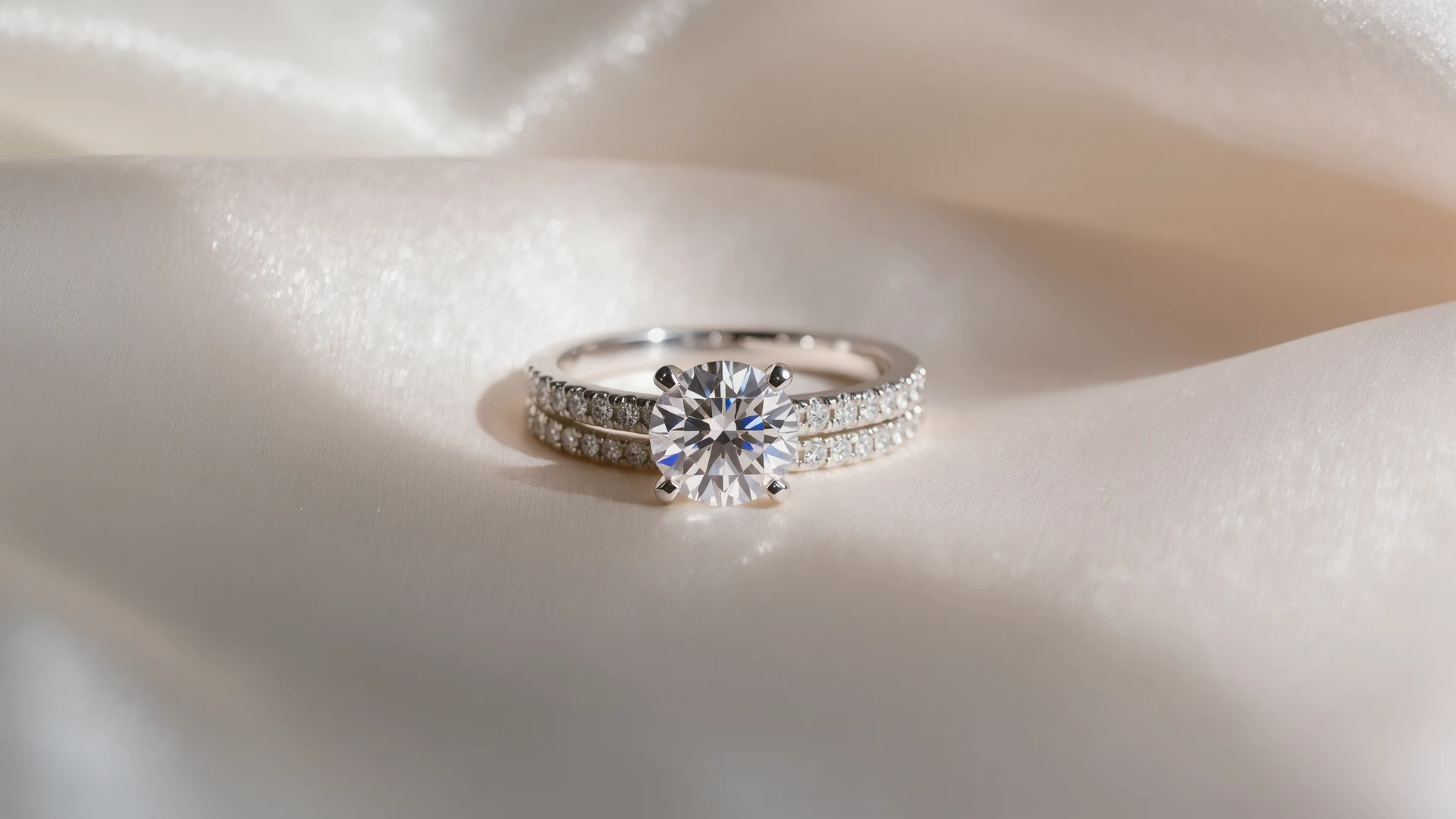
Jewelry · 24 min
Luxury Bridal Jewelry & Engagement Rings: The Complete Guide
Luxury bridal jewelry and engagement ring guide: master the GIA 4Cs, designer maisons, colored gemstones, custom design, insurance, and insider buying…

Jewelry · 29 min
Watch Collecting & Investment: The Complete Guide
Watch collecting and investment guide: how Rolex, Patek Philippe, Audemars Piguet and Richard Mille hold value, plus complications, auctions and 2026 …
Jewelry · 10 min
Fine Jewelry as an Alternative Asset: The Complete Investment Guide
Why Fine Jewelry Is Emerging as a Serious Asset Class Fine jewelry has quietly transformed from a passion purchase into one of the most compelling alt…