Jewelry · Jewelry
Shine Ethically: Exploring the World of Sustainable Jewelry
Sustainable jewelry refers to jewelry that is produced in an environmentally and socially responsible manner. It takes into consideration the entire lifecycle of the product, from …

Sustainable jewelry refers to jewelry that is produced in an environmentally and socially responsible manner. It takes into consideration the entire lifecycle of the product, from the sourcing of materials to the manufacturing process and even the packaging. The goal of sustainable jewelry is to minimize its impact on the environment and ensure fair treatment of workers throughout the supply chain.
In recent years, there has been a growing awareness and concern about the environmental and social impact of the fashion industry. The jewelry industry, in particular, has come under scrutiny for its use of unsustainable practices and unethical sourcing of materials. This has led to a demand for more sustainable alternatives in the market.
Key Takeaways
- Sustainable jewelry is made with environmentally friendly and socially responsible practices.
- Conventional jewelry production has a significant negative impact on the environment.
- Sustainable jewelry is made through ethical sourcing and fair trade and responsible mining practices.
- Choosing sustainable jewelry benefits consumers by supporting responsible production and reducing environmental harm.
- Certification plays a crucial role in ensuring sustainable jewelry production.
The Environmental Impact of Conventional Jewelry Production
Conventional jewelry production has a significant negative impact on the environment. One of the main issues is the mining of precious metals and gemstones. Mining operations can cause deforestation, habitat destruction, and water pollution. In addition, the extraction process often involves the use of toxic chemicals such as mercury and cyanide, which can contaminate nearby water sources.
The production processes involved in turning raw materials into finished jewelry also contribute to environmental damage. These processes often require large amounts of energy and water, leading to increased carbon emissions and water scarcity. Furthermore, the disposal of waste materials from jewelry production can contaminate soil and waterways.
Ethical Sourcing: How Sustainable Jewelry is Made
Ethical sourcing is a key component of sustainable jewelry production. It involves ensuring that materials are obtained in a responsible manner, without causing harm to people or the environment. This includes sourcing materials from mines that adhere to fair labor practices, do not exploit workers, and minimize their impact on local communities.
Sustainable jewelry also focuses on using materials that are environmentally friendly. This includes using recycled metals and gemstones, as well as alternative materials such as lab-grown diamonds and plant-based resins. By using recycled materials, the demand for new mining operations is reduced, thereby minimizing the environmental impact.
Fair Trade and Responsible Mining Practices in Jewelry Production
Fair trade and responsible mining practices are important aspects of sustainable jewelry production. Fair trade ensures that workers are paid fair wages, have safe working conditions, and are not subjected to exploitation. It also promotes community development and empowerment.
Responsible mining practices involve minimizing the environmental impact of mining operations. This includes implementing measures to reduce water and energy consumption, using non-toxic chemicals, and rehabilitating mined areas to restore biodiversity. Companies that adhere to these practices often work closely with local communities to ensure their well-being and provide them with economic opportunities.
The Benefits of Choosing Sustainable Jewelry for Consumers
There are several advantages for consumers who choose sustainable jewelry. Firstly, they can feel good about their purchase knowing that it was produced in an ethical and environmentally responsible manner. This aligns with the values of many consumers who are increasingly concerned about the impact of their purchasing decisions.
Sustainable jewelry also often has a unique and artisanal quality to it. Many sustainable jewelry brands work with local artisans and small-scale producers, resulting in one-of-a-kind pieces that cannot be found in mass-produced jewelry stores. This adds a personal touch to the jewelry and allows consumers to support local communities.
In addition, sustainable jewelry is often made to last. It is crafted with high-quality materials and attention to detail, ensuring that it can be enjoyed for years to come. This contrasts with fast fashion jewelry that is designed to be disposable and quickly discarded.
The Role of Certification in Sustainable Jewelry Production
Certification plays a crucial role in sustainable jewelry production. It provides consumers with assurance that the jewelry they are purchasing meets certain standards of sustainability and ethical sourcing. There are several certification organizations that evaluate and verify the sustainability credentials of jewelry brands.
One example is the Responsible Jewellery Council (RJC), which sets standards for responsible business practices in the jewelry industry. RJC certification ensures that companies adhere to ethical sourcing, environmental responsibility, and social accountability. Another example is Fairtrade Gold, which certifies gold that has been sourced from responsible mining operations and ensures fair treatment of workers.
The Future of Sustainable Jewelry: Innovations and Advancements
The future of sustainable jewelry looks promising, with ongoing innovations and advancements in the industry. One area of innovation is the use of alternative materials such as lab-grown diamonds and recycled metals. These materials offer a more sustainable and ethical option compared to traditional mined diamonds and metals.
Another area of advancement is in the development of new technologies and processes that reduce the environmental impact of jewelry production. This includes the use of renewable energy sources, water recycling systems, and more efficient manufacturing techniques. These advancements not only reduce the carbon footprint of jewelry production but also improve the overall sustainability of the industry.
Supporting Artisanal Communities through Sustainable Jewelry
Sustainable jewelry plays a crucial role in supporting artisanal communities around the world. Many sustainable jewelry brands work directly with local artisans, providing them with fair wages, safe working conditions, and opportunities for skill development. By supporting these communities, consumers can help preserve traditional craftsmanship and cultural heritage.
One example is Pippa Small, a jewelry brand that works with artisans in Afghanistan, Bolivia, and Kenya. The brand provides training and employment opportunities to these artisans, allowing them to earn a sustainable income and improve their livelihoods. By purchasing jewelry from brands like Pippa Small, consumers can directly contribute to the well-being of these communities.
Corporate Responsibility: How Jewelry Companies are Embracing Sustainability
Corporate responsibility is becoming increasingly important in the jewelry industry. Many companies are recognizing the need to embrace sustainability and are taking steps to reduce their environmental impact and improve their ethical practices.
One example is Tiffany & Co. which has made a commitment to sourcing its diamonds and precious metals from responsible mines. The company also supports conservation efforts and has implemented measures to reduce its carbon footprint. Another example is Pandora, which has set a goal to become carbon neutral by 2025 and only use recycled gold and silver in its jewelry.
How to Shop for Sustainable Jewelry: Tips and Resources for Consumers
For consumers who are interested in shopping for sustainable jewelry, there are several tips and resources available. Firstly, look for brands that are transparent about their sourcing and production practices. Many sustainable jewelry brands provide detailed information on their websites about where their materials come from and how their jewelry is made.
Secondly, consider purchasing second-hand or vintage jewelry. This reduces the demand for new materials and extends the lifespan of existing pieces. There are many online platforms and stores that specialize in selling pre-owned jewelry.
Lastly, look for certification labels or logos that indicate the sustainability credentials of the jewelry. This can provide assurance that the jewelry has been produced in an ethical and environmentally responsible manner.
Sustainable jewelry is an important aspect of the fashion industry that addresses the environmental and social impact of conventional jewelry production. By choosing sustainable options, consumers can support ethical sourcing practices, reduce their carbon footprint, and contribute to the well-being of artisanal communities. With ongoing innovations and advancements in the industry, the future of sustainable jewelry looks promising. It is up to consumers to make conscious choices and support brands that prioritize sustainability.
More in
More from Jewelry
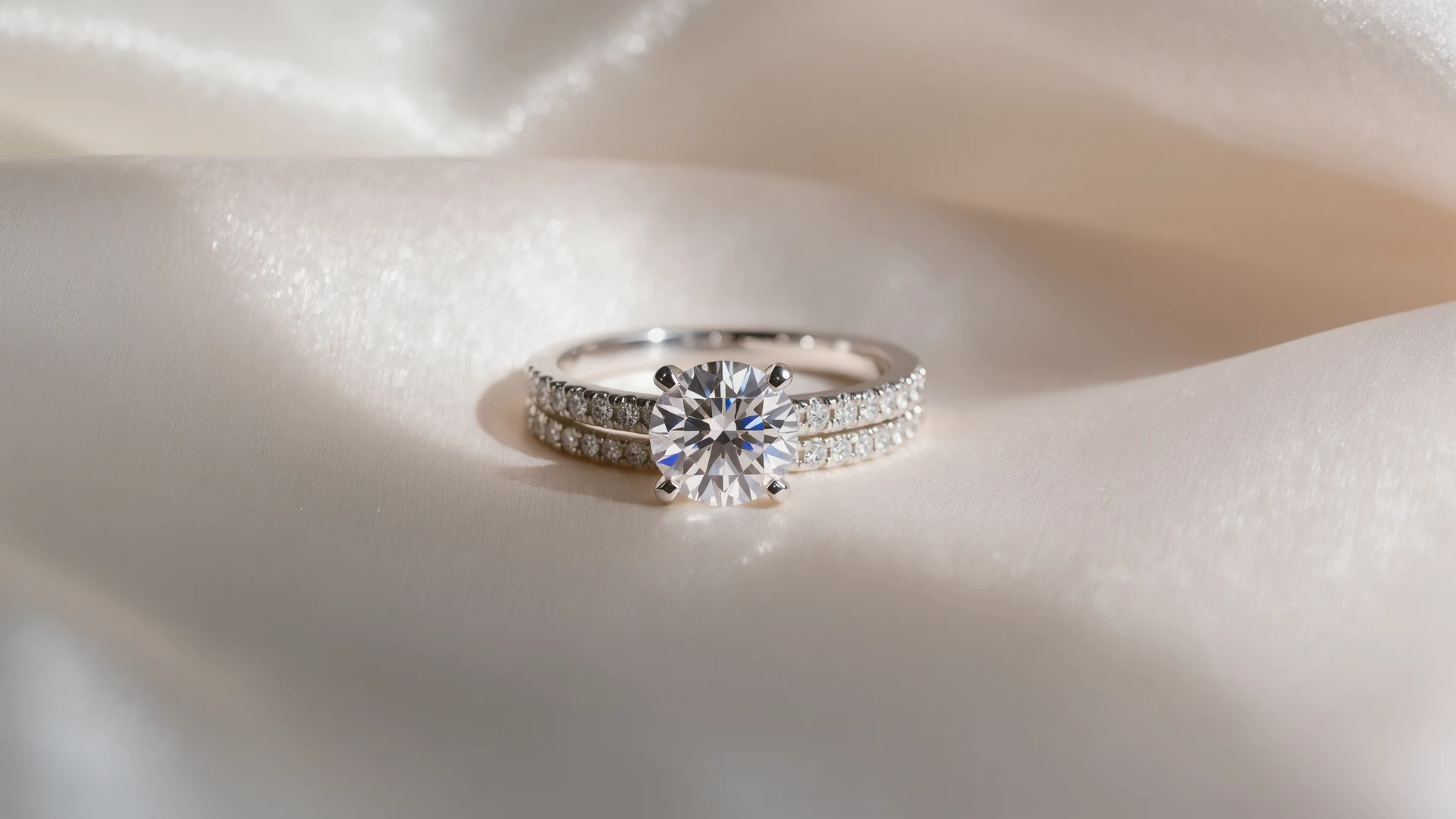
Jewelry · 24 min
Luxury Bridal Jewelry & Engagement Rings: The Complete Guide
Luxury bridal jewelry and engagement ring guide: master the GIA 4Cs, designer maisons, colored gemstones, custom design, insurance, and insider buying…

Jewelry · 29 min
Watch Collecting & Investment: The Complete Guide
Watch collecting and investment guide: how Rolex, Patek Philippe, Audemars Piguet and Richard Mille hold value, plus complications, auctions and 2026 …
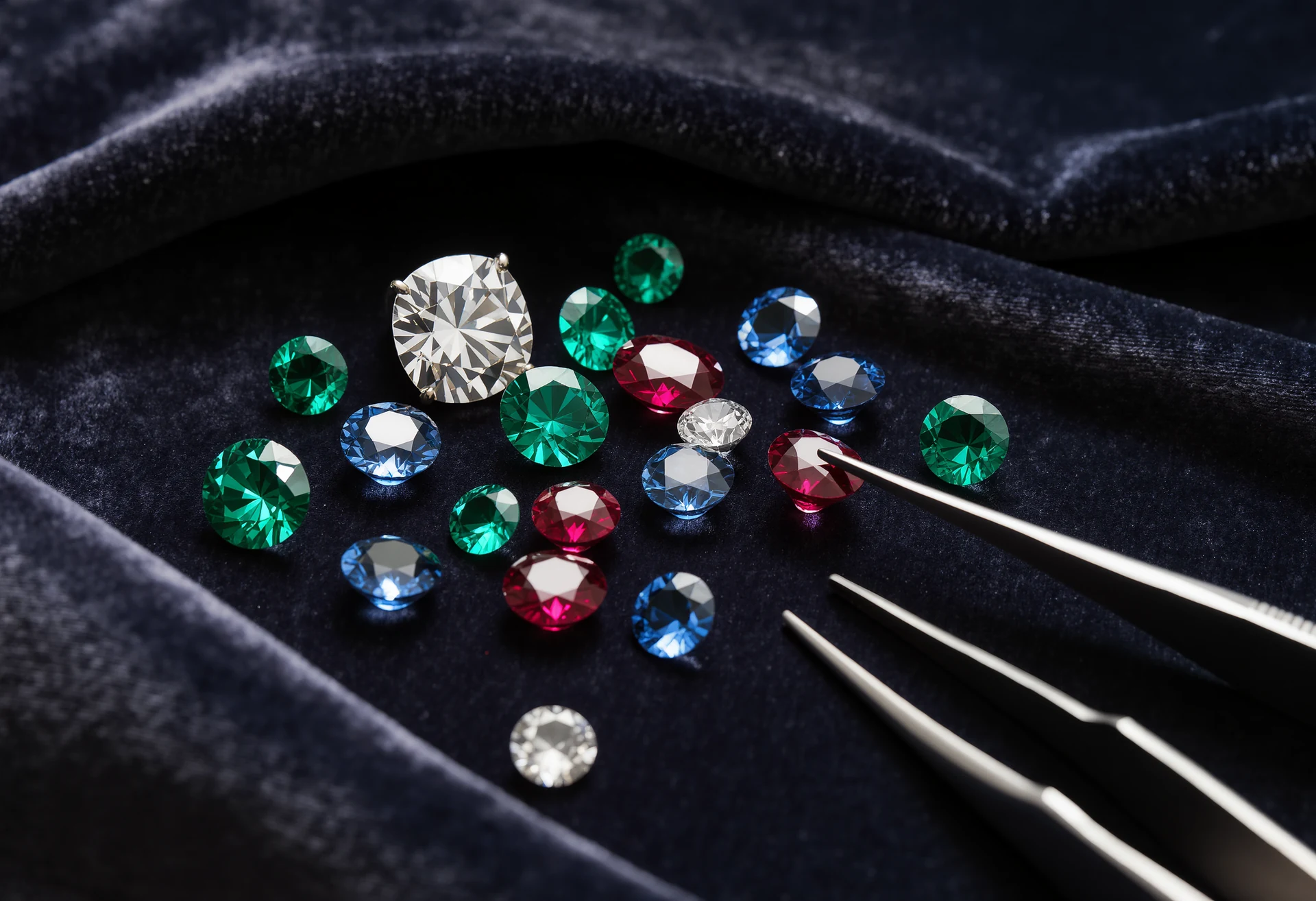
Jewelry · 10 min
Fine Jewelry as an Alternative Asset: The Complete Investment Guide
Why Fine Jewelry Is Emerging as a Serious Asset Class Fine jewelry has quietly transformed from a passion purchase into one of the most compelling alt…