Jewelry · Jewelry
Shining a Light on Ethical Jewelry: How to Make a Sustainable Fashion Statement
Jewelry has long been a symbol of beauty, wealth, and status. However, the production of jewelry can have a significant impact on the environment. From the mining of precious metal…
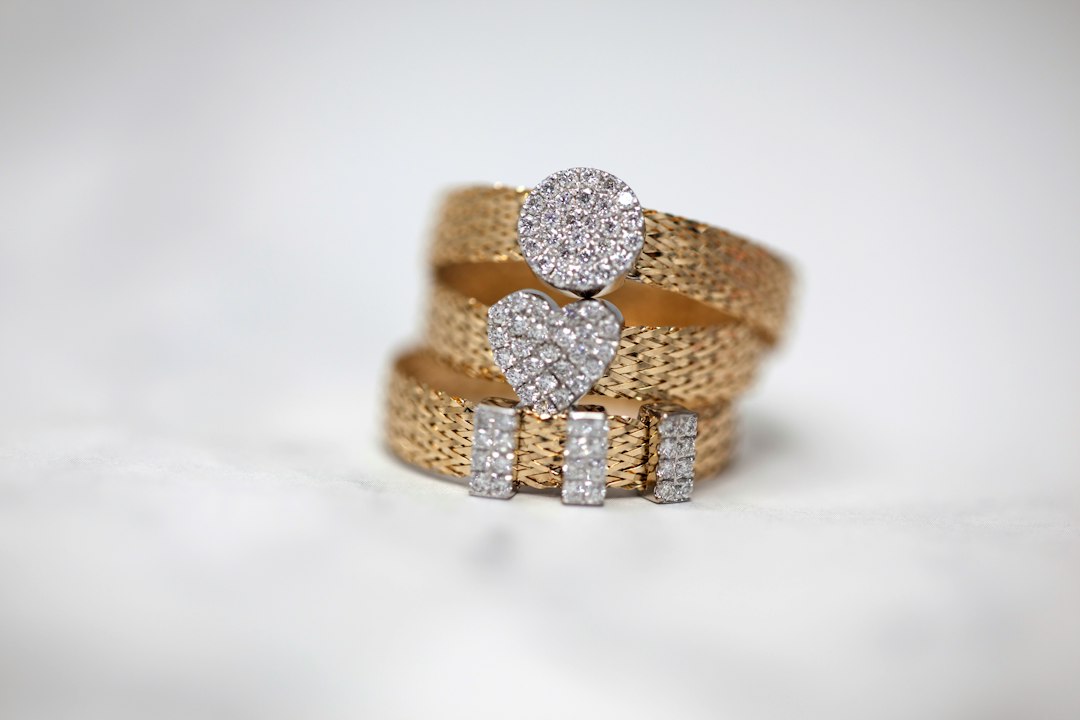
Jewelry has long been a symbol of beauty, wealth, and status. However, the production of jewelry can have a significant impact on the environment. From the mining of precious metals and gemstones to the carbon footprint of production and transportation, the jewelry industry has a responsibility to address its environmental impact. In addition, there are ethical concerns surrounding the industry, such as labor practices and transparency in the supply chain. Ethical sourcing in jewelry making is crucial to ensure that workers are treated fairly and that the environment is protected. In this article, we will explore the impact of jewelry on the environment, the importance of ethical sourcing, and how consumers can make a difference by supporting ethical jewelry brands.
Key Takeaways
- Jewelry production has a significant impact on the environment, including pollution and resource depletion.
- Ethical sourcing is crucial in ensuring that jewelry is made without exploiting workers or harming the environment.
- Fair trade practices can promote sustainable jewelry production and support communities.
- Choosing sustainable materials, such as recycled metals and ethically sourced gemstones, can reduce the environmental impact of jewelry making.
- Cheap, fast fashion jewelry often comes at a high cost to the environment and workers, making it important to invest in quality, ethical jewelry.
Understanding the Impact of Jewelry on the Environment
The production of jewelry has a significant environmental impact. One of the main concerns is the mining of precious metals and gemstones. Mining operations can cause deforestation, habitat destruction, and water pollution. In addition, mining can release toxic chemicals into the environment, which can have long-lasting effects on ecosystems and human health.
Another aspect to consider is the carbon footprint of jewelry production and transportation. The process of refining metals and shaping gemstones requires a significant amount of energy, which often comes from fossil fuels. This contributes to greenhouse gas emissions and climate change. Furthermore, transporting jewelry from manufacturing facilities to retail stores or customers’ homes adds to its carbon footprint.
Jewelry waste is also a concern for the environment. Many people dispose of unwanted or broken jewelry, which often ends up in landfills. Precious metals and gemstones are non-renewable resources, so their disposal contributes to resource depletion. Additionally, improper disposal can lead to pollution of soil and water.
The Importance of Ethical Sourcing in Jewelry Making
The jewelry industry has faced criticism for its ethical practices, including issues such as child labor, unsafe working conditions, and unfair wages. Ethical sourcing in jewelry making is crucial to ensure that workers are treated fairly and that their rights are respected. It also helps to prevent environmental damage caused by irresponsible mining practices.
Transparency in the supply chain is a key aspect of ethical sourcing. Consumers have the right to know where their jewelry comes from and how it was produced. This includes information about the origin of the materials used, the working conditions of the artisans, and any certifications or standards that the brand adheres to.
Supporting ethical jewelry brands is important because it encourages responsible practices within the industry. By choosing to purchase from brands that prioritize ethical sourcing, consumers can send a message to other companies that they value transparency and sustainability. This can create a demand for more ethical practices and help drive positive change in the industry.
The Role of Fair Trade in Sustainable Jewelry Production
Fair trade is an important concept in the context of jewelry production. Fair trade ensures that workers receive fair wages, have safe working conditions, and are not exploited. It also promotes environmental sustainability by encouraging responsible mining practices and reducing the use of harmful chemicals.
Fair trade jewelry brands often work directly with artisan communities, providing them with fair prices for their products and supporting their development. This helps to empower these communities economically and socially, allowing them to improve their living standards and invest in education and healthcare.
There are several fair trade jewelry brands that are leading the way in sustainable production. One example is Bario Neal, a brand that uses ethically sourced materials and works with artisanal miners to ensure fair wages and safe working conditions. Another example is Brilliant Earth, which focuses on ethically sourced diamonds and supports mining communities through its partnership with the Diamond Development Initiative.
Choosing Sustainable Materials for Jewelry Making
In addition to ethical sourcing, choosing sustainable materials for jewelry making is another important aspect of sustainable production. Sustainable materials are those that have a minimal impact on the environment and can be sourced responsibly.
One example of a sustainable material is recycled precious metals. By using recycled metals, jewelry makers can reduce the need for new mining and minimize the environmental impact of production. Recycled metals can be obtained from old jewelry, industrial waste, or electronic waste.
Another sustainable material is lab-grown diamonds. Lab-grown diamonds have the same physical and chemical properties as natural diamonds but are created in a laboratory instead of being mined from the earth. This reduces the environmental impact of diamond mining and eliminates the ethical concerns associated with it.
Other sustainable materials used in jewelry making include ethically sourced gemstones, such as those certified by organizations like the Responsible Jewellery Council, and alternative materials like wood, bamboo, or recycled glass.
The True Cost of Cheap Jewelry: The Dark Side of Fast Fashion
Cheap jewelry, often referred to as fast fashion jewelry, has become increasingly popular in recent years. However, there is a dark side to this trend. Fast fashion jewelry is often produced using cheap materials and labor practices that prioritize profit over people and the planet.
The environmental impact of fast fashion jewelry is significant. The use of cheap materials often means that these pieces are not made to last and are quickly discarded, contributing to waste and resource depletion. In addition, the production of fast fashion jewelry often involves harmful chemicals and unsustainable practices.
The social impact of fast fashion jewelry is also concerning. Many fast fashion brands have been criticized for their labor practices, including low wages, long working hours, and unsafe conditions. Workers in the jewelry industry are often subjected to exploitation and poor working conditions.
The Benefits of Investing in Quality, Ethical Jewelry
Investing in quality, ethical jewelry has several benefits. First and foremost, ethical jewelry is made with care and attention to detail, ensuring that it will last for years to come. This means that consumers can enjoy their pieces for a long time without having to constantly replace them.
Ethical jewelry also has a positive impact on the environment. By choosing jewelry made with sustainable materials and produced using responsible practices, consumers can reduce their carbon footprint and contribute to the preservation of natural resources.
Supporting ethical jewelry brands also means supporting fair labor practices. By purchasing from brands that prioritize fair wages, safe working conditions, and transparency in the supply chain, consumers can help improve the lives of workers in the jewelry industry.
The Rise of Ethical Jewelry Brands: Who to Look Out For
There are several ethical jewelry brands that are leading the way in sustainable production. These brands prioritize ethical sourcing, transparency, and responsible practices. By supporting these brands, consumers can make a difference in the jewelry industry.
One example of an ethical jewelry brand is Catbird, which uses recycled gold and ethically sourced gemstones in its designs. The brand is committed to transparency and provides information about the origin of its materials on its website.
Another example is Mejuri, a brand that focuses on minimalistic designs and uses recycled silver and gold in its pieces. Mejuri also works with artisanal miners to ensure fair wages and safe working conditions.
Other ethical jewelry brands to look out for include Vrai, which specializes in lab-grown diamonds, and Aurate, which uses recycled gold and ethically sourced gemstones.
How to Spot Ethical Jewelry: Tips for Conscious Consumers
Spotting ethical jewelry can be challenging, as not all brands are transparent about their sourcing practices. However, there are several tips that conscious consumers can follow to identify ethical jewelry brands.
Firstly, look for certifications or standards that indicate ethical sourcing. For example, the Responsible Jewellery Council certifies brands that adhere to responsible practices in their supply chain. Other certifications to look out for include Fairtrade Gold and Fairmined Gold.
Secondly, research the brand’s website and look for information about their sourcing practices. Ethical brands are often transparent about where their materials come from and how they are produced. Look for details about the brand’s commitment to fair wages, safe working conditions, and environmental sustainability.
Lastly, consider the brand’s overall mission and values. Ethical brands are often committed to making a positive impact on the world and prioritize sustainability and social responsibility. Look for brands that align with your own values and beliefs.
The Future of Sustainable Jewelry: Innovations and Trends to Watch
The future of sustainable jewelry is promising, with several innovations and trends emerging in the industry. One of the key trends is the use of lab-grown diamonds and other alternative materials. Lab-grown diamonds offer a more sustainable and ethical alternative to mined diamonds, while alternative materials like recycled glass or wood provide unique and eco-friendly options for jewelry making.
Another trend to watch is the rise of circular economy models in the jewelry industry. This involves designing jewelry with the end of its life cycle in mind, ensuring that materials can be easily recycled or repurposed. This reduces waste and promotes resource conservation.
In terms of innovations, there are several exciting developments in sustainable jewelry production. For example, researchers are exploring new ways to extract precious metals from electronic waste, reducing the need for new mining. There are also advancements in 3D printing technology, which allows for more precise and efficient production processes.
Making a Difference: How Your Jewelry Choices Can Impact the World
Individual choices can have a significant impact on the jewelry industry. By choosing to support ethical jewelry brands and prioritize sustainability, consumers can drive positive change in the industry.
Supporting ethical jewelry brands sends a message to other companies that consumers value transparency, fair labor practices, and environmental sustainability. This can create a demand for more ethical practices and encourage other brands to follow suit.
In addition, conscious consumerism has the power to improve the lives of workers in the jewelry industry. By purchasing from brands that prioritize fair wages and safe working conditions, consumers can help improve the livelihoods of artisans and miners around the world.
In conclusion, the impact of jewelry on the environment is significant, from the mining of precious metals and gemstones to the carbon footprint of production and transportation. Ethical sourcing in jewelry making is crucial to ensure that workers are treated fairly and that the environment is protected. By choosing to support ethical jewelry brands and prioritize sustainability, consumers can make a difference in the industry. It is important for consumers to be conscious of their choices and to support brands that align with their values. Together, we can create a more sustainable and ethical jewelry industry.
More in
More from Jewelry
Jewelry · 24 min
Luxury Bridal Jewelry & Engagement Rings: The Complete Guide
Luxury bridal jewelry and engagement ring guide: master the GIA 4Cs, designer maisons, colored gemstones, custom design, insurance, and insider buying…

Jewelry · 29 min
Watch Collecting & Investment: The Complete Guide
Watch collecting and investment guide: how Rolex, Patek Philippe, Audemars Piguet and Richard Mille hold value, plus complications, auctions and 2026 …
Jewelry · 10 min
Fine Jewelry as an Alternative Asset: The Complete Investment Guide
Why Fine Jewelry Is Emerging as a Serious Asset Class Fine jewelry has quietly transformed from a passion purchase into one of the most compelling alt…