Jewelry · Jewelry
Shining Bright: Why Investing in Gold is a Smart Move for Your Portfolio
Gold has long been recognized as a valuable and precious metal. Throughout history, it has been used as a currency and a store of value. Its unique properties, such as its scarcity…
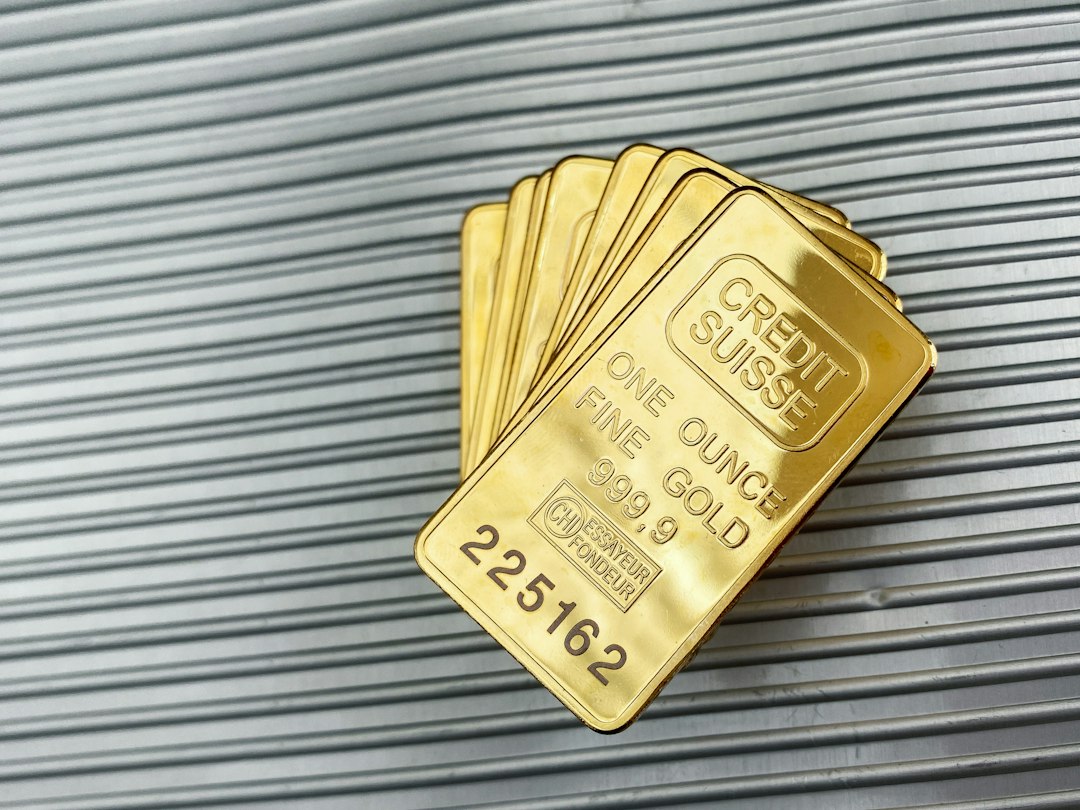
Gold has long been recognized as a valuable and precious metal. Throughout history, it has been used as a currency and a store of value. Its unique properties, such as its scarcity and durability, have made it highly sought after by individuals and nations alike. In this article, we will explore the historical significance of gold as a store of value, its resilience in times of economic uncertainty, its role in diversifying investment portfolios, its potential as a hedge against inflation, and the long-term outlook for gold as an investment.
Key Takeaways
- Gold has been a store of value for thousands of years, with a rich history of use in trade and currency.
- Gold has proven to be resilient during times of economic uncertainty, making it a popular safe-haven asset.
- Gold can play a valuable role in diversifying your investment portfolio, reducing overall risk.
- Owning physical gold can offer benefits over gold ETFs, including greater control and privacy.
- Gold can act as a hedge against inflation, as its value tends to rise when the purchasing power of fiat currencies declines.
The Historical Significance of Gold as a Store of Value
Gold has been used as a form of currency for thousands of years. Ancient civilizations such as the Egyptians, Greeks, and Romans all recognized the value of gold and used it to facilitate trade. Gold coins were minted and used as a medium of exchange, making it easier for people to conduct business.
Throughout history, gold has also been seen as a store of value during times of economic uncertainty. During periods of war, political instability, or economic crises, people have turned to gold as a safe haven asset. This is because gold is not subject to the same risks as other assets such as stocks or bonds. It is not tied to any particular government or economy and is not affected by inflation or currency fluctuations.
Gold’s Resilience in Times of Economic Uncertainty
One of the reasons why gold is often seen as a safe haven asset is its performance during economic downturns. When stock markets crash or currencies lose value, gold tends to hold its value or even increase in price. This is because investors view gold as a reliable store of wealth that can protect them from financial turmoil.
During the 2008 financial crisis, for example, the price of gold soared while stock markets plummeted. Investors flocked to gold as they lost confidence in traditional financial assets. Similarly, during the COVID-19 pandemic in 2020, gold prices reached record highs as investors sought a safe place to park their money.
The Role of Gold in Diversifying Your Investment Portfolio
Diversification is an important strategy for reducing risk in an investment portfolio. By spreading investments across different asset classes, investors can minimize the impact of any one investment on their overall portfolio. Gold can play a valuable role in diversifying an investment portfolio because it tends to have a low correlation with other assets such as stocks and bonds.
When stock markets are performing well, gold prices may be relatively stable or even decline. However, during periods of economic uncertainty or market volatility, gold prices often rise. This inverse relationship with other assets makes gold an attractive addition to a diversified portfolio.
The Benefits of Owning Physical Gold vs. Gold ETFs
There are different ways to invest in gold, including owning physical gold or investing in gold exchange-traded funds (ETFs). Physical gold refers to actual bars or coins that are held by the investor, while gold ETFs are investment funds that hold gold on behalf of investors.
One of the benefits of owning physical gold is that it provides a tangible asset that can be held and stored securely. Physical gold can be easily bought and sold, and its value is not dependent on the performance of any particular financial institution or investment fund.
On the other hand, investing in gold ETFs offers certain advantages. ETFs provide investors with exposure to the price of gold without the need to physically own and store the metal. They are also more liquid than physical gold, as they can be bought and sold on stock exchanges throughout the trading day.
How Gold Can Act as a Hedge Against Inflation
Inflation refers to the general increase in prices over time, resulting in a decrease in the purchasing power of money. During periods of high inflation, traditional financial assets such as stocks and bonds may lose value. Gold, however, has historically been seen as a hedge against inflation.
This is because gold is a tangible asset that cannot be created or destroyed by central banks or governments. Its supply is limited, and it cannot be easily manipulated like fiat currencies. As a result, when the value of paper currencies declines due to inflation, the price of gold tends to rise.
The Potential for Gold to Outperform Other Asset Classes
Gold has the potential to outperform other asset classes in certain economic environments. For example, during periods of economic uncertainty or market volatility, investors often flock to safe haven assets such as gold. This increased demand can drive up the price of gold and result in higher returns for investors.
Additionally, gold has historically performed well during periods of low interest rates or negative real interest rates. When interest rates are low, the opportunity cost of holding gold decreases, making it more attractive to investors. Similarly, when real interest rates (adjusted for inflation) are negative, the value of paper currencies declines, leading investors to seek alternative stores of value such as gold.
The Growing Demand for Gold in Emerging Markets
In recent years, there has been a growing demand for gold in emerging markets such as China and India. These countries have large populations and rising middle classes, which has led to increased demand for luxury goods and investments.
Gold is highly valued in these cultures for its cultural and religious significance. It is often given as gifts during weddings and festivals and is seen as a symbol of wealth and prosperity. As these economies continue to grow and develop, the demand for gold is expected to increase further.
The Role of Central Banks in Supporting Gold Prices
Central banks play an important role in supporting gold prices. Many central banks hold significant amounts of gold reserves as part of their foreign exchange reserves. These reserves provide a form of insurance against currency fluctuations and economic crises.
When central banks buy or sell gold, it can have a significant impact on the price of the metal. For example, if a central bank announces that it will increase its gold reserves, it can create upward pressure on the price of gold. Conversely, if a central bank decides to sell its gold reserves, it can put downward pressure on the price.
The Long-Term Outlook for Gold as an Investment
The long-term outlook for gold as an investment is positive. Gold has a long history of maintaining its value over time and has been used as a store of wealth for centuries. Its scarcity and durability make it highly sought after, and its value is not dependent on any particular government or economy.
There are several factors that may impact gold’s performance in the future. These include global economic conditions, geopolitical tensions, central bank policies, and investor sentiment. While it is impossible to predict the future with certainty, many analysts believe that gold will continue to play a valuable role in investment portfolios.
How to Incorporate Gold into Your Investment Strategy
There are several ways to incorporate gold into an investment strategy. One option is to buy physical gold in the form of bars or coins. This allows investors to own and store the metal themselves. Another option is to invest in gold ETFs, which provide exposure to the price of gold without the need for physical ownership.
Investors can also consider investing in gold mining stocks or mutual funds that focus on gold mining companies. These investments provide exposure to the potential upside of gold prices while also offering diversification benefits.
In conclusion, gold has a long history as a store of value and has played a significant role in economies throughout the world. Its unique properties and historical performance make it an attractive investment option for individuals and institutions alike.
Gold’s resilience in times of economic uncertainty, its ability to diversify investment portfolios, its potential as a hedge against inflation, and its long-term outlook as an investment all contribute to its appeal. Whether through physical ownership or investment vehicles such as ETFs, gold can be a valuable addition to an investment strategy.
While the future performance of gold cannot be predicted with certainty, its historical significance and ongoing demand suggest that it will continue to be a valuable asset for investors in the years to come.
More in
More from Jewelry

Jewelry · 24 min
Luxury Bridal Jewelry & Engagement Rings: The Complete Guide
Luxury bridal jewelry and engagement ring guide: master the GIA 4Cs, designer maisons, colored gemstones, custom design, insurance, and insider buying…

Jewelry · 29 min
Watch Collecting & Investment: The Complete Guide
Watch collecting and investment guide: how Rolex, Patek Philippe, Audemars Piguet and Richard Mille hold value, plus complications, auctions and 2026 …

Jewelry · 10 min
Fine Jewelry as an Alternative Asset: The Complete Investment Guide
Why Fine Jewelry Is Emerging as a Serious Asset Class Fine jewelry has quietly transformed from a passion purchase into one of the most compelling alt…