Jewelry · Jewelry
Sparkling Bids: Unveiling the Excitement of Jewelry Auctions
Jewelry auctions have long been a fascinating and lucrative world for collectors, enthusiasts, and investors alike. These auctions offer a unique opportunity to acquire rare and va…

Jewelry auctions have long been a fascinating and lucrative world for collectors, enthusiasts, and investors alike. These auctions offer a unique opportunity to acquire rare and valuable pieces of jewelry, often with a rich history and exceptional craftsmanship. In this blog post, we will explore the art of bidding in jewelry auctions, the top auction houses and their unique offerings, the most expensive jewelry sold at auction, the evolution of jewelry auctions from traditional to online bidding, the importance of authenticity and certification, the role of jewelry experts and appraisers, the fascinating history of jewelry auctions, their global reach, and finally, the future trends and predictions for the industry.
Key Takeaways
- Jewelry auctions offer a thrilling world of unique and rare pieces.
- Winning bids require strategic planning and research.
- Top auction houses offer unique and exclusive collections.
- Record-breaking sales have reached millions of dollars.
- Online bidding has revolutionized the industry, but authenticity and certification remain crucial.
The Art of Bidding: Tips and Tricks for Winning Jewelry Auctions
When participating in a jewelry auction, it is crucial to set a budget beforehand. This will help you avoid getting caught up in the excitement of bidding and potentially overspending. Researching the item before bidding is also essential. This includes examining its condition, provenance, and any relevant documentation. Knowing when to bid and when to stop is another crucial aspect of successful bidding. It is important to have a clear strategy in mind and not get carried away by competing bids.
Strategies for bidding in person and online can differ slightly. In-person bidders should arrive early to inspect the items up close and get a feel for the atmosphere. They should also be prepared to bid confidently and assertively. Online bidders should carefully read the auction terms and conditions, as well as thoroughly examine the item’s description and photographs. They should also be aware of any additional fees or charges associated with online bidding.
The Top Jewelry Auction Houses and Their Unique Offerings
There are several renowned auction houses that specialize in jewelry auctions. Each has its own unique offerings and specialties. Christie’s is one of the most prestigious auction houses in the world, known for its exceptional selection of high-quality jewelry. Sotheby’s is another well-known auction house that offers a wide range of jewelry, from antique pieces to contemporary designs. Bonhams is known for its expertise in colored gemstones and offers a diverse selection of jewelry from various periods.
Examples of notable sales from each auction house include Christie’s sale of the Pink Star diamond for a record-breaking $71.2 million, Sotheby’s sale of the Blue Moon diamond for $48.4 million, and Bonhams sale of the Hope Spinel for $1.5 million.
The Most Expensive Jewelry Sold at Auction: A Look at Record-Breaking Sales
Some of the most expensive jewelry ever sold at auction has fetched astronomical prices due to their exceptional rarity, historical significance, and exquisite craftsmanship. The Pink Star diamond, mentioned earlier, holds the record for the most expensive jewelry sold at auction. Other notable sales include the Graff Pink diamond, which sold for $46.2 million, and the Oppenheimer Blue diamond, which sold for $57.5 million.
What makes these pieces so valuable is their combination of exceptional quality and scarcity. These rare gems are often accompanied by prestigious certifications and have a rich history that adds to their allure. The demand for such extraordinary pieces drives up their prices at auction.
The Evolution of Jewelry Auctions: From Traditional to Online Bidding
Jewelry auctions have come a long way since their inception. In the past, auctions were primarily conducted in person, with bidders physically present at the auction house. However, with advancements in technology, online bidding has become increasingly popular and convenient.
Online bidding allows bidders from all over the world to participate in auctions without having to travel to the auction house. It also provides access to a wider range of items and allows for more competitive bidding. However, some collectors still prefer the traditional experience of attending an auction in person, as it allows them to see the items up close and feel the excitement of the bidding process.
The Importance of Authenticity and Certification in Jewelry Auctions
Authenticity and certification are of utmost importance in the world of jewelry auctions. Buyers want to ensure that the pieces they are bidding on are genuine and of the quality they expect. Without proper certification, the value and authenticity of a piece can be called into question, leading to potential disputes and loss of trust.
The certification process involves a thorough examination of the jewelry by experts who assess its quality, authenticity, and condition. They also provide documentation that verifies these aspects. This certification adds credibility to the piece and gives buyers confidence in their purchase.
Examples of how lack of certification has affected sales include instances where pieces were later discovered to be replicas or had undisclosed damage. This has led to legal disputes and financial losses for both buyers and sellers.
The Role of Jewelry Experts and Appraisers in Auctions
Jewelry experts and appraisers play a crucial role in jewelry auctions. Their expertise is essential in assessing the quality, authenticity, and value of the pieces being auctioned. These professionals have extensive knowledge of different types of jewelry, gemstones, and historical periods, allowing them to accurately evaluate the items.
Their qualifications often include degrees in gemology or jewelry appraisal, as well as years of experience in the industry. Their responsibilities include examining the items, providing accurate descriptions, estimating their value, and advising potential buyers on their purchases.
Their expertise has a significant impact on sales, as buyers rely on their assessments when making bidding decisions. A positive appraisal from a reputable expert can significantly increase the value and desirability of a piece.
The Fascinating History of Jewelry Auctions: From Ancient Times to Modern Day
The history of jewelry auctions dates back thousands of years. In ancient times, auctions were often held to sell off the belongings of deceased individuals or to fund public projects. These auctions were conducted in a similar manner to modern-day auctions, with bidders competing for the items.
Over time, jewelry auctions evolved and became more formalized. In the 18th and 19th centuries, auctions became popular among the upper classes as a way to acquire rare and valuable pieces. Auction houses such as Christie’s and Sotheby’s were established during this period and have since become synonymous with luxury and exclusivity.
Notable sales from different time periods include the auction of Marie Antoinette’s jewelry during the French Revolution, the sale of the Duchess of Windsor’s jewelry collection in 1987, and the auction of Elizabeth Taylor’s jewelry collection in 2011.
The Global Reach of Jewelry Auctions: A Worldwide Phenomenon
Jewelry auctions are not limited to a specific region or country; they are a global phenomenon. Auction houses attract bidders from all over the world who are interested in acquiring unique and valuable pieces. Notable sales have taken place in various parts of the world, including New York, London, Hong Kong, and Geneva.
Cultural differences also play a role in the industry. Different regions have their own preferences when it comes to jewelry styles, gemstones, and historical periods. This diversity adds to the richness and variety of offerings at jewelry auctions.
The Future of Jewelry Auctions: Trends and Predictions for the Industry
The future of jewelry auctions is likely to be shaped by advancements in technology. Online bidding will continue to grow in popularity, making auctions more accessible to a wider audience. Virtual reality technology may also be incorporated into online bidding platforms, allowing bidders to view items in a more immersive way.
Another trend that is likely to continue is the focus on sustainability and ethical sourcing. Buyers are increasingly interested in knowing the origins of their jewelry and ensuring that it has been produced in an ethical and environmentally responsible manner. Auction houses may need to adapt to these changing consumer preferences by providing more information about the sourcing and production processes of the items they auction.
Jewelry auctions offer a unique opportunity to acquire rare and valuable pieces of jewelry with a rich history and exceptional craftsmanship. Successful bidding requires careful research, setting a budget, and knowing when to bid and when to stop. The top auction houses, such as Christie’s, Sotheby’s, and Bonhams, offer a wide range of unique offerings and have seen record-breaking sales.
The most expensive jewelry sold at auction has fetched astronomical prices due to their exceptional rarity, historical significance, and exquisite craftsmanship. The evolution of jewelry auctions from traditional to online bidding has made them more accessible to a global audience. Authenticity and certification are crucial in the industry, as they provide buyers with confidence in their purchases.
Jewelry experts and appraisers play a vital role in assessing the quality and value of the pieces being auctioned. The fascinating history of jewelry auctions dates back thousands of years and has evolved over time. Jewelry auctions are a global phenomenon, with notable sales taking place in various parts of the world.
The future of jewelry auctions is likely to be shaped by advancements in technology, with online bidding continuing to grow in popularity. Sustainability and ethical sourcing are also expected to be important trends in the industry. Overall, jewelry auctions offer a captivating world for collectors, enthusiasts, and investors alike.
More in
More from Jewelry
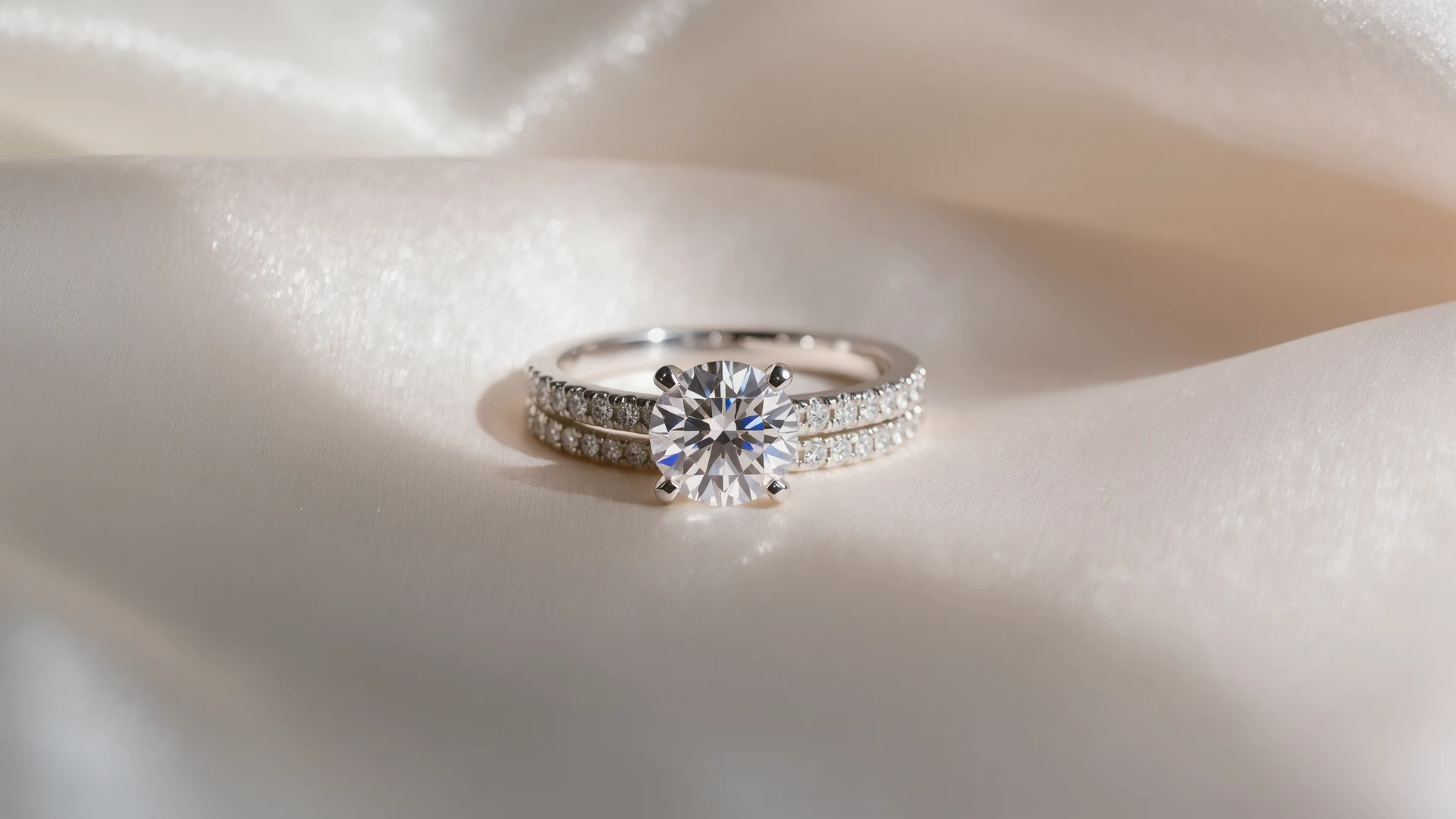
Jewelry · 24 min
Luxury Bridal Jewelry & Engagement Rings: The Complete Guide
Luxury bridal jewelry and engagement ring guide: master the GIA 4Cs, designer maisons, colored gemstones, custom design, insurance, and insider buying…

Jewelry · 29 min
Watch Collecting & Investment: The Complete Guide
Watch collecting and investment guide: how Rolex, Patek Philippe, Audemars Piguet and Richard Mille hold value, plus complications, auctions and 2026 …
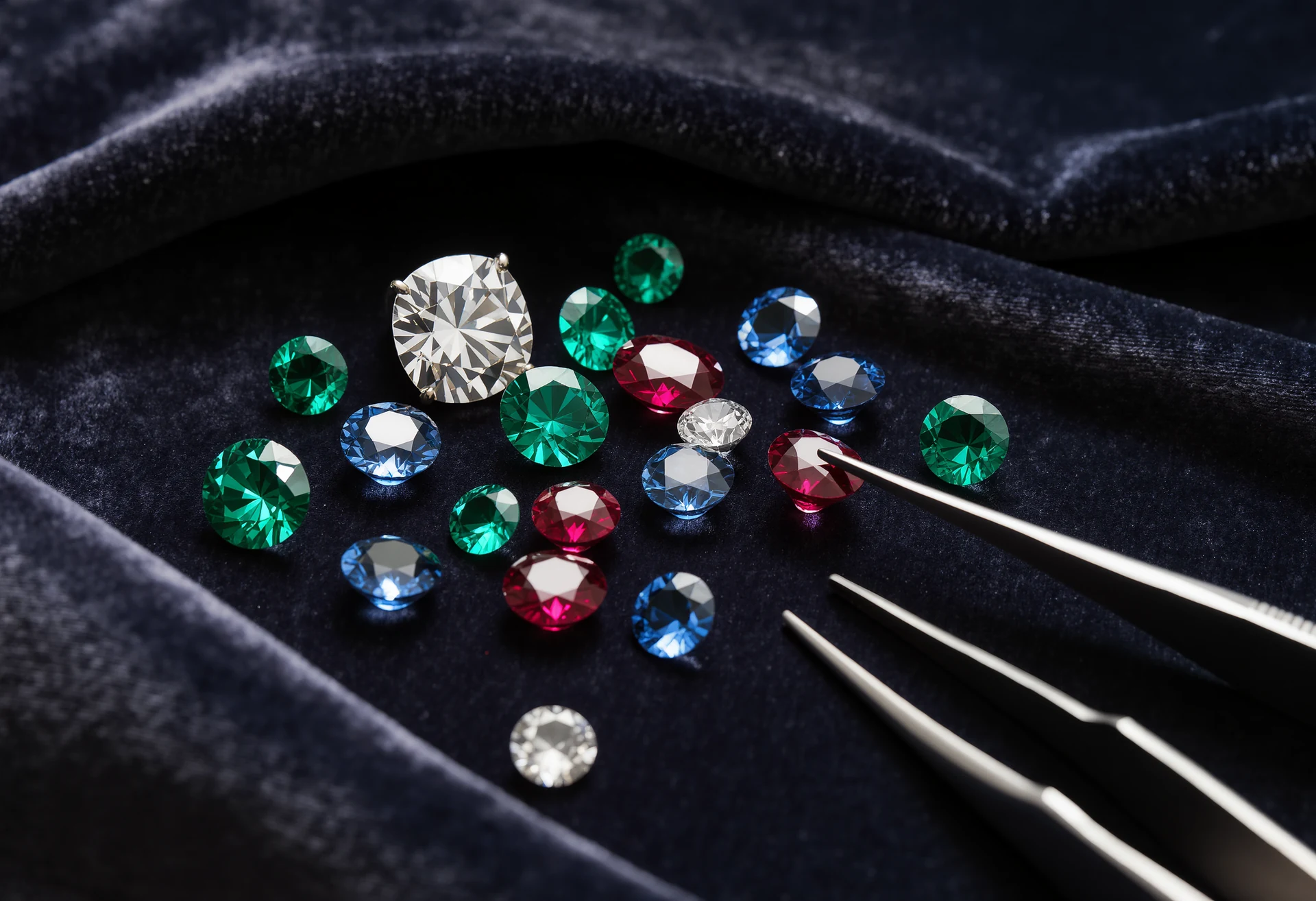
Jewelry · 10 min
Fine Jewelry as an Alternative Asset: The Complete Investment Guide
Why Fine Jewelry Is Emerging as a Serious Asset Class Fine jewelry has quietly transformed from a passion purchase into one of the most compelling alt…