Jewelry · Jewelry
The Allure of Luxury Gemstones: A Guide to the World’s Most Coveted Jewels
Luxury gemstones are precious and rare stones that are highly valued for their beauty, rarity, and durability. These gemstones have been prized throughout history for their aesthet…
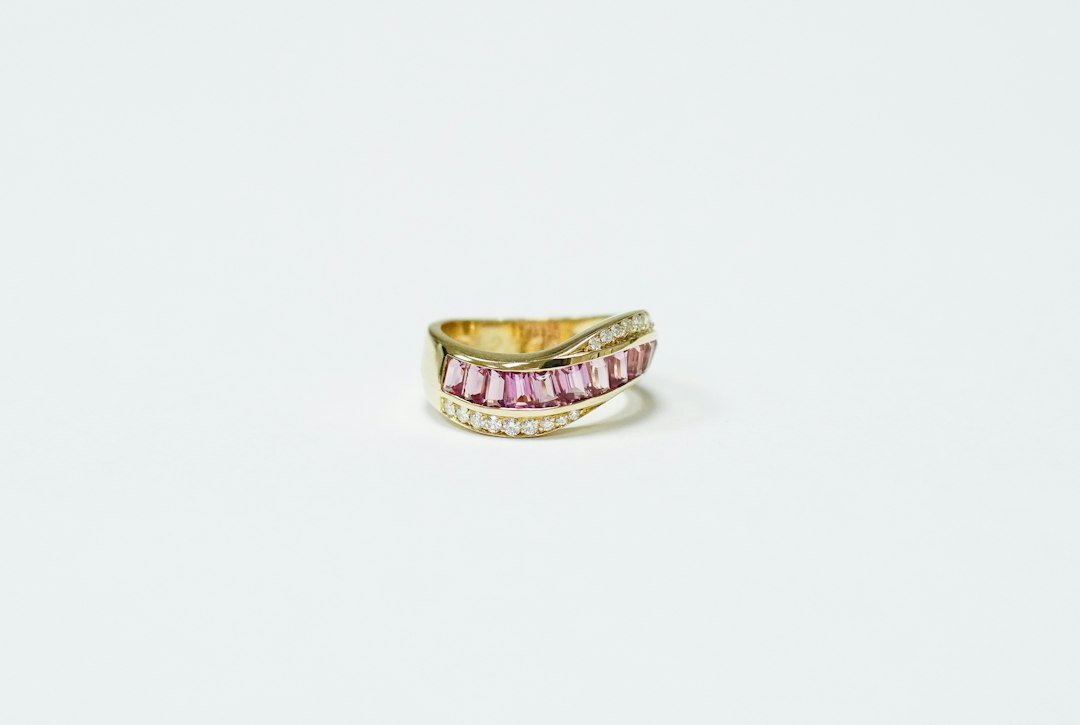
Luxury gemstones are precious and rare stones that are highly valued for their beauty, rarity, and durability. These gemstones have been prized throughout history for their aesthetic appeal and have often been associated with wealth, power, and status. From ancient civilizations to modern times, gemstones have captivated people’s imaginations and have been used as symbols of love, power, and spirituality.
Gemstones have a long and rich history that dates back thousands of years. They have been used as adornments, currency, and even as talismans for protection. In ancient times, gemstones were believed to possess mystical powers and were often worn by rulers and nobility as a symbol of their status and authority. The allure of gemstones has not diminished over time, and today they continue to be highly sought after for their beauty and rarity.
People are drawn to luxury gemstones for a variety of reasons. For some, it is the sheer beauty of these stones that captivates them. The vibrant colors, unique patterns, and dazzling brilliance of gemstones make them truly mesmerizing. Others are attracted to the rarity and exclusivity of luxury gemstones. The fact that these stones are not easily found adds to their allure and makes them even more desirable. Additionally, gemstones are often associated with special occasions such as engagements, anniversaries, and birthdays, making them meaningful gifts that hold sentimental value.
Key Takeaways
- Luxury gemstones are highly coveted due to their rarity, beauty, and cultural significance.
- Scarcity plays a significant role in determining the value of gemstones, with rarer stones commanding higher prices.
- The hue of a gemstone is a crucial factor in determining its quality, with vivid and intense colors being more desirable.
- The “Big Four” gemstones – diamonds, rubies, sapphires, and emeralds – are the most valuable and sought-after in the world.
- Colored gemstones beyond diamonds, such as amethysts, garnets, and topazes, offer unique and vibrant options for jewelry.
- Famous gemstones, such as the Hope Diamond and the Star of India, have fascinating histories and cultural significance.
- Skilled craftsmanship in cutting and shaping gemstones can elevate their beauty and value.
- Different regions value different gemstones based on cultural traditions and beliefs.
- Owning luxury gemstones can offer potential financial benefits as an investment.
- Proper care and maintenance are essential for preserving the beauty and value of gemstones.
The Rarity Factor: The Role of Scarcity in Gemstone Luxury
One of the key factors that contribute to the value of luxury gemstones is their rarity. Gemstones that are rare or difficult to find are considered more valuable because they are in high demand but limited supply. This scarcity drives up the price of these stones and makes them highly coveted by collectors and enthusiasts.
There are several factors that contribute to the rarity of gemstones. One of the main factors is the geological conditions required for their formation. Gemstones are formed deep within the Earth’s crust under intense heat and pressure. The specific combination of minerals, temperature, and pressure needed for their formation is rare, making gemstones a scarce resource.
Environmental factors also play a role in the rarity of gemstones. Mining practices can have a significant impact on the availability of gemstones. Over-mining and irresponsible mining practices can deplete gemstone deposits, making them even more scarce. Additionally, environmental regulations and restrictions can limit the access to certain gemstone deposits, further increasing their rarity.
Examples of rare gemstones include the Paraiba tourmaline, which is known for its vibrant blue-green color and is found only in a few locations in Brazil and Mozambique. Another example is the red beryl, also known as bixbite or red emerald, which is one of the rarest gemstones in the world and is found only in a few locations in Utah and New Mexico.
The Color Spectrum: The Importance of Hue in Gemstone Quality
Color is one of the most important factors that determine the value and quality of gemstones. The hue, saturation, and tone of a gemstone’s color can greatly affect its desirability and price.
Hue refers to the basic color of a gemstone. For example, a ruby has a red hue, while an emerald has a green hue. The purity and intensity of the hue can greatly impact the value of a gemstone. Gemstones with vivid and intense hues are considered more valuable than those with pale or washed-out colors.
Saturation refers to the intensity or purity of a gemstone’s color. A highly saturated gemstone will have a rich and vibrant color, while a less saturated stone will appear dull or muted. Gemstones with high saturation are more desirable and valuable.
Tone refers to how light or dark a gemstone’s color appears. A gemstone with a medium tone is considered more desirable because it allows the color to be seen clearly without being too dark or too light.
Examples of gemstones with exceptional color include the blue sapphire, which is prized for its deep and vibrant blue hue. The emerald, known for its rich green color, is also highly valued for its intense hue. The pink diamond, with its rare and delicate pink color, is another example of a gemstone with exceptional color.
The Big Four: The World’s Most Valuable Gemstones
The four most valuable gemstones in the world are diamond, ruby, sapphire, and emerald. These gemstones have a long history of being highly prized and are considered the pinnacle of luxury.
Diamonds are the most well-known and sought-after gemstones. They are valued for their brilliance, durability, and rarity. Diamonds have been used in jewelry for centuries and are often associated with love and commitment. The value of diamonds is determined by the 4Cs: carat weight, color, clarity, and cut.
Rubies are known for their vibrant red color and are considered one of the most valuable gemstones. They have been treasured throughout history for their beauty and symbolism. Rubies are often associated with passion, love, and power. The value of rubies is determined by factors such as color, clarity, cut, and carat weight.
Sapphires come in a variety of colors, but the most valuable and sought-after is the blue sapphire. Blue sapphires have been prized for their deep blue hue and have been associated with royalty and nobility. The value of sapphires is determined by factors such as color, clarity, cut, and carat weight.
Emeralds are known for their rich green color and have been treasured for centuries. They are often associated with nature, rebirth, and fertility. The value of emeralds is determined by factors such as color, clarity, cut, and carat weight.
The market value and demand for these gemstones can vary depending on factors such as rarity, size, and quality. However, they are consistently sought after by collectors and enthusiasts around the world.
Beyond Diamonds: Exploring the World of Colored Gemstones
While diamonds may be the most well-known gemstones, there is a vast world of colored gemstones that offer unique beauty and appeal. These lesser-known gemstones come in a wide range of colors and have their own distinct characteristics.
One example of a popular colored gemstone is the amethyst. Amethysts are known for their deep purple color and are often associated with spirituality and calmness. They are widely used in jewelry and are considered one of the most popular colored gemstones.
Another example is the aquamarine, which is a pale blue or greenish-blue gemstone. Aquamarines are often associated with the sea and are prized for their calming and soothing properties. They are commonly used in engagement rings and other types of jewelry.
Other popular colored gemstones include the garnet, which comes in a variety of colors including red, orange, and green; the topaz, which can be found in a range of colors including blue, yellow, and pink; and the opal, which is known for its iridescent play of colors.
Colored gemstones offer a unique alternative to traditional diamonds and can add a pop of color and personality to any piece of jewelry. They are often chosen for their individuality and ability to stand out from the crowd.
The Power of History: The Fascinating Stories Behind Famous Gemstones
Famous gemstones have captivated people’s imaginations for centuries. These stones have often been associated with legends, myths, and historical events, adding to their allure and value.
One of the most famous gemstones is the Hope Diamond. This blue diamond is known for its deep blue color and has a long and fascinating history. Legend has it that the diamond was stolen from an idol in India and brought to Europe, where it changed hands several times before ending up in the possession of Henry Philip Hope, who gave it its name. The Hope Diamond is said to be cursed and has been associated with misfortune and tragedy.
Another famous gemstone is the Star of India, which is one of the largest star sapphires in the world. This gemstone is known for its unique star-shaped phenomenon, which is caused by the presence of needle-like inclusions within the stone. The Star of India was stolen from the American Museum of Natural History in 1964 but was recovered a few days later.
The stories behind famous gemstones add to their mystique and make them even more desirable. These stones have often been passed down through generations or have been associated with famous historical figures, adding to their value and significance.
The Art of Cutting: How Skilled Craftsmanship Elevates Gemstones
The art of cutting and polishing gemstones is a highly skilled craft that can greatly enhance their beauty and value. Gemstone cutting involves shaping rough stones into faceted gems that maximize their brilliance and sparkle.
The cut of a gemstone refers to its shape, proportions, and facets. A well-cut gemstone will have precise angles and facets that allow light to enter and reflect back out, creating a dazzling display of brilliance. The quality of the cut can greatly impact the value of a gemstone.
Skilled gemstone cutters are able to bring out the best in a stone by carefully considering its shape, color, and clarity. They must also take into account the specific properties of each gemstone, as different stones require different cutting techniques to maximize their beauty.
Examples of skilled gemstone cutting and polishing can be seen in the work of renowned gemstone cutters such as Richard T. Liddicoat, who is often credited with revolutionizing the diamond cutting industry. Liddicoat’s innovative cutting techniques and designs have set the standard for diamond cutting and have greatly influenced the industry.
The art of gemstone cutting is a delicate and precise process that requires years of training and experience. Skilled gemstone cutters are able to transform rough stones into exquisite gems that are highly valued for their beauty and craftsmanship.
The Role of Culture: How Different Regions Value Different Gemstones
The value and demand for gemstones can vary greatly depending on the culture and traditions of different regions. Certain gemstones may be highly prized in one culture but less valued in another.
For example, in Western cultures, diamonds are often associated with engagement rings and are considered a symbol of love and commitment. In contrast, in some Eastern cultures, such as India, rubies are highly valued and are often used in traditional jewelry.
Cultural beliefs and traditions also play a role in the value and demand for gemstones. For example, in Chinese culture, jade is highly prized and is believed to bring good luck, health, and prosperity. Jade has been used in Chinese jewelry for centuries and is often passed down through generations as a family heirloom.
The impact of globalization has also influenced the value and demand for gemstones. As people become more connected through travel and the internet, they are exposed to different cultures and traditions, which can influence their preferences for certain gemstones. This has led to an increased demand for colored gemstones from around the world, as people seek out unique and exotic stones that reflect their individuality.
Investment Opportunities: The Potential Financial Benefits of Owning Luxury Gemstones
Owning luxury gemstones can offer potential financial benefits, as these stones have the potential to appreciate in value over time. Gemstones are a tangible asset that can be easily stored and transported, making them a popular choice for investors looking to diversify their portfolios.
The value of gemstones can be influenced by a variety of factors, including rarity, size, quality, and market demand. Gemstones that are rare or difficult to find are more likely to appreciate in value over time, as their scarcity drives up demand and prices. Additionally, gemstones that are of exceptional quality and have desirable characteristics, such as color and clarity, are also more likely to increase in value.
Investing in gemstones does come with risks, however. The gemstone market can be volatile, and prices can fluctuate based on factors such as economic conditions, supply and demand, and changes in consumer preferences. Additionally, the value of gemstones can be subjective and can vary depending on factors such as the reputation of the seller and the quality of the stone.
Despite these risks, many investors see gemstones as a viable investment option. Gemstones offer a unique combination of beauty and rarity that can make them highly desirable to collectors and enthusiasts. With proper research and due diligence, investing in gemstones can potentially offer significant financial returns.
Caring for Your Gemstones: Essential Tips for Maintaining Their Beauty and Value
Proper care and maintenance are essential for preserving the beauty and value of gemstones. Gemstones are delicate and can be easily damaged if not handled and stored correctly.
One of the most important aspects of caring for gemstones is cleaning. Regular cleaning helps to remove dirt, oils, and other debris that can dull the stone’s brilliance. However, it is important to use gentle cleaning methods to avoid damaging the stone. Most gemstones can be cleaned with warm soapy water and a soft brush. However, certain gemstones may require special care or cleaning methods, so it is important to consult a professional or do thorough research before attempting to clean a gemstone.
Storing gemstones properly is also crucial for maintaining their beauty and value. Gemstones should be stored in a cool, dry place away from direct sunlight and extreme temperatures. They should be stored separately from other jewelry to avoid scratching or damaging the stone. It is also a good idea to wrap gemstones in a soft cloth or tissue paper to protect them from dust and scratches.
Regular maintenance and inspections are also important for preserving the value of gemstones. It is recommended to have gemstone jewelry professionally inspected and cleaned at least once a year. This allows for any potential issues, such as loose stones or damaged settings, to be addressed before they cause further damage.
By following these essential tips for caring for gemstones, you can ensure that your precious stones remain beautiful and valuable for years to come.
More in
More from Jewelry
Jewelry · 24 min
Luxury Bridal Jewelry & Engagement Rings: The Complete Guide
Luxury bridal jewelry and engagement ring guide: master the GIA 4Cs, designer maisons, colored gemstones, custom design, insurance, and insider buying…

Jewelry · 29 min
Watch Collecting & Investment: The Complete Guide
Watch collecting and investment guide: how Rolex, Patek Philippe, Audemars Piguet and Richard Mille hold value, plus complications, auctions and 2026 …
Jewelry · 10 min
Fine Jewelry as an Alternative Asset: The Complete Investment Guide
Why Fine Jewelry Is Emerging as a Serious Asset Class Fine jewelry has quietly transformed from a passion purchase into one of the most compelling alt…