Jewelry · Jewelry
The Art of Jewelry Design: Crafting Timeless Pieces with Creativity and Precision
Jewelry design is the art of creating beautiful and unique pieces of adornment that are worn as a form of self-expression. It is a craft that requires both creativity and precision…
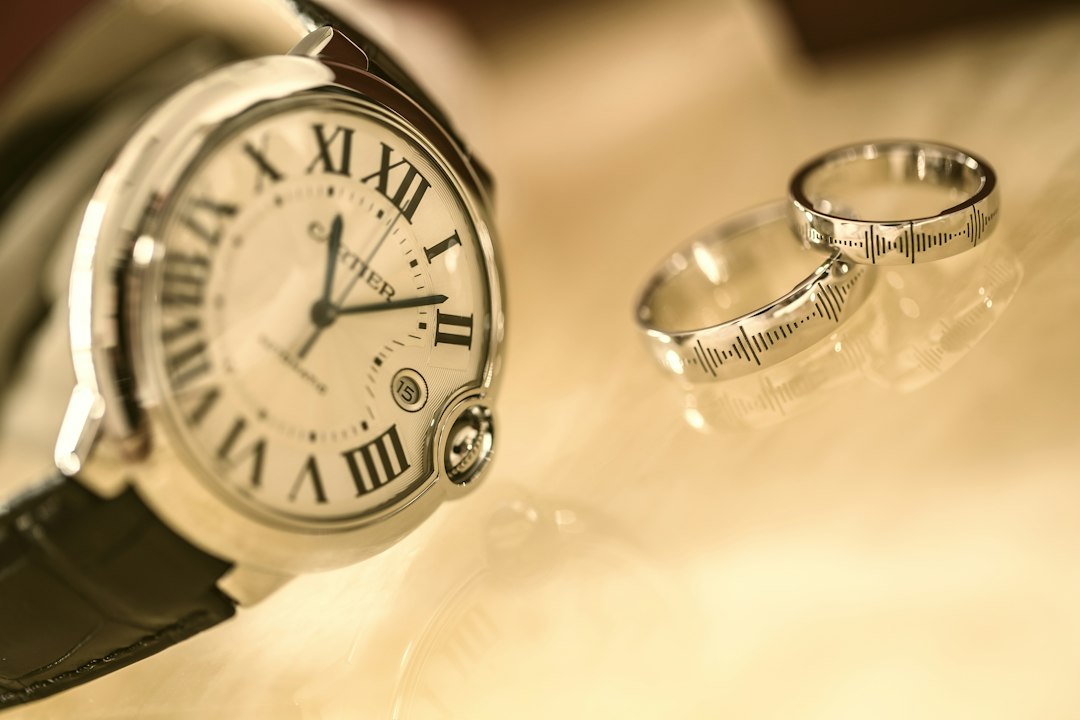
Jewelry design is the art of creating beautiful and unique pieces of adornment that are worn as a form of self-expression. It is a craft that requires both creativity and precision, as designers must not only envision the final product but also have the technical skills to bring their ideas to life. The process of jewelry design involves sketching, selecting materials, and using various techniques to shape and assemble the components.
Creativity is at the heart of jewelry design, as designers must constantly come up with new and innovative ideas to create pieces that stand out in a crowded market. They must have a keen eye for aesthetics and be able to envision how different elements will come together to create a cohesive and visually appealing design. Precision is equally important, as even the smallest mistake can ruin a piece of jewelry. Designers must have a steady hand and attention to detail to ensure that each component is properly crafted and assembled.
Key Takeaways
- Jewelry design is a creative and precise craft that requires a combination of artistic and technical skills.
- The history of jewelry design spans from ancient times to modern day, with each era influencing the styles and techniques used.
- Understanding color, texture, and shape is essential in creating successful jewelry designs.
- Techniques and tools for jewelry design have evolved over time, from traditional sketching to modern 3D printing.
- Materials play a crucial role in jewelry design, with precious metals and gemstones being popular choices.
The History and Evolution of Jewelry Design: From Ancient Times to Modern Day
The history of jewelry design dates back thousands of years, with evidence of jewelry being worn by ancient civilizations such as the Egyptians, Greeks, and Romans. In these early civilizations, jewelry was often used as a symbol of wealth and status, with precious metals and gemstones being reserved for the elite. Over time, jewelry design evolved to incorporate different styles and techniques influenced by various cultures.
In the Middle Ages, jewelry design became more intricate and ornate, with elaborate designs featuring gemstones and precious metals. During the Renaissance period, jewelry design became more focused on symbolism and storytelling, with pieces often depicting religious or mythological themes. The Art Nouveau movement in the late 19th century brought a new wave of creativity to jewelry design, with nature-inspired motifs and flowing lines.
In modern times, jewelry design has become more diverse and accessible. Designers are no longer limited to using only precious metals and gemstones, but can experiment with a wide range of materials such as glass, wood, and even recycled materials. The rise of technology has also had a significant impact on jewelry design, with the introduction of computer-aided design (CAD) software and 3D printing allowing designers to create more complex and intricate pieces.
Understanding the Elements of Jewelry Design: Color, Texture, and Shape
Color, texture, and shape are essential elements in jewelry design that can greatly impact the overall aesthetic and appeal of a piece. The careful selection and combination of these elements can create unique and visually striking designs.
Color plays a crucial role in jewelry design, as it can evoke different emotions and convey different meanings. Designers must consider the color of the materials they use, as well as how different colors interact with each other. They must also take into account the wearer’s skin tone and personal style when choosing colors for a piece. For example, warm-toned gemstones such as citrine or garnet may complement someone with a warm skin tone, while cool-toned gemstones such as sapphire or amethyst may complement someone with a cool skin tone.
Texture is another important element in jewelry design that adds depth and visual interest to a piece. Different textures can be achieved through various techniques such as hammering, etching, or engraving. Designers must consider how the texture will interact with light and how it will feel against the wearer’s skin. For example, a piece with a hammered texture may catch the light in different ways, creating a dynamic and eye-catching effect.
Shape is perhaps one of the most fundamental elements in jewelry design, as it determines the overall form and structure of a piece. Designers must consider how different shapes will interact with each other and how they will sit on the wearer’s body. They must also consider how the shape will complement the wearer’s features and personal style. For example, a long pendant necklace may elongate the neckline and draw attention to the wearer’s face, while a chunky bracelet may add a bold and statement-making touch to an outfit.
Techniques and Tools for Jewelry Design: From Sketching to 3D Printing
Jewelry design involves a wide range of techniques and tools that allow designers to bring their ideas to life. From sketching to 3D printing, each technique has its own advantages and disadvantages.
Sketching is often the first step in the jewelry design process, allowing designers to quickly capture their ideas on paper. It is a versatile and accessible technique that requires minimal tools, making it ideal for brainstorming and exploring different design possibilities. Sketching allows designers to experiment with different shapes, proportions, and details before committing to a final design. However, sketching has its limitations, as it can be difficult to accurately convey three-dimensional forms and textures on a two-dimensional surface.
CAD software has revolutionized the jewelry design industry by allowing designers to create detailed and precise digital models of their designs. CAD software offers a wide range of tools and features that make it easier for designers to experiment with different shapes, sizes, and materials. It also allows for more accurate measurements and calculations, ensuring that each component fits together perfectly. However, CAD software requires a certain level of technical skill and can be time-consuming to learn.
3D printing is a relatively new technique in jewelry design that allows designers to create physical prototypes of their designs using a digital file. It offers a level of precision and detail that is difficult to achieve through traditional manufacturing methods. 3D printing also allows for more complex and intricate designs that would be impossible to create by hand. However, 3D printing can be expensive and time-consuming, especially for larger or more intricate pieces.
The Importance of Materials in Jewelry Design: From Precious Metals to Gemstones
The choice of materials is a crucial aspect of jewelry design, as it greatly impacts the overall look, feel, and durability of a piece. Different materials have different properties and characteristics that must be considered when designing a piece.
Precious metals such as gold, silver, and platinum are often used in jewelry design due to their durability and timeless appeal. They can be easily shaped and polished, allowing for intricate and detailed designs. Precious metals also have a natural luster and shine that adds to the overall beauty of a piece. However, precious metals can be expensive and may not be suitable for all budgets.
Gemstones are another important material in jewelry design that adds color, sparkle, and value to a piece. They come in a wide range of colors, shapes, and sizes, allowing designers to create unique and personalized pieces. Gemstones can be used as the focal point of a design or as accents to enhance the overall aesthetic. However, gemstones vary greatly in quality and price, so designers must carefully select stones that meet their desired criteria.
Other materials such as glass, wood, and even recycled materials are becoming increasingly popular in jewelry design. These materials offer a more sustainable and eco-friendly alternative to traditional materials. They also allow for more experimentation and creativity in design, as they can be easily shaped and manipulated. However, these materials may not have the same durability or value as precious metals or gemstones.
Designing for Functionality and Aesthetics: Balancing Beauty and Practicality
In jewelry design, it is important to strike a balance between functionality and aesthetics. While a piece may be visually stunning, it must also be comfortable to wear and able to withstand everyday use.
Functionality refers to how well a piece of jewelry performs its intended purpose. For example, a ring should fit comfortably on the finger without causing any discomfort or irritation. A necklace should hang at the right length and not tangle easily. Designers must consider the ergonomics of a piece and how it will interact with the wearer’s body. They must also consider how the piece will be worn and how it will be fastened or secured.
Aesthetics, on the other hand, refers to the overall beauty and visual appeal of a piece. Designers must consider how different elements such as color, texture, and shape come together to create a cohesive and visually pleasing design. They must also consider how the piece will complement the wearer’s personal style and enhance their overall appearance. Aesthetics can be subjective, so designers must have a good understanding of their target audience and their preferences.
Balancing functionality and aesthetics requires careful consideration and attention to detail. Designers must constantly evaluate their designs and make adjustments as necessary to ensure that each piece is both beautiful and practical. They must also take into account feedback from customers and make improvements based on their experiences.
Crafting Timeless Pieces: The Art of Creating Jewelry with Lasting Appeal
Creating timeless pieces is an important aspect of jewelry design, as it ensures that a piece will remain relevant and desirable for years to come. Timeless pieces are those that transcend trends and fads, and can be worn and enjoyed for generations.
To create timeless pieces, designers must focus on classic and enduring design elements that have stood the test of time. They must avoid overly trendy or gimmicky designs that may quickly go out of style. Instead, they should opt for clean lines, simple shapes, and high-quality materials that will never go out of fashion.
Designers must also consider the durability and longevity of a piece when creating timeless designs. They should use materials that are resistant to wear and tear, such as precious metals or durable gemstones. They should also pay attention to the craftsmanship and construction of a piece, ensuring that it is well-made and able to withstand everyday use.
Creating timeless pieces requires a deep understanding of design principles and a keen eye for aesthetics. Designers must have a good sense of what is timeless and what is trendy, and be able to strike a balance between the two. They must also have a good understanding of their target audience and their preferences, as different styles and designs may have different levels of appeal.
The Role of Inspiration in Jewelry Design: Finding Creativity in Everyday Life
Finding inspiration is an important part of the jewelry design process, as it allows designers to bring their ideas to life and create unique and innovative pieces. Inspiration can come from a wide range of sources, from nature and art to culture and history.
One of the most common sources of inspiration for jewelry designers is nature. The natural world offers an endless array of colors, shapes, and textures that can be translated into beautiful and organic designs. For example, the delicate petals of a flower may inspire the shape of a pendant or the vibrant colors of a sunset may inspire the choice of gemstones.
Art and culture are also rich sources of inspiration for jewelry designers. Paintings, sculptures, and other forms of art can provide ideas for color palettes, patterns, and motifs. Cultural traditions and symbols can also be incorporated into jewelry designs to create pieces that have deeper meaning and significance.
Everyday life can also provide inspiration for jewelry designers. From the architecture of a city to the patterns on a piece of fabric, there are countless elements in our daily lives that can spark creativity. Designers must have an open mind and be willing to see beauty in unexpected places.
Working with Clients: Collaborating to Create Custom Jewelry Designs
Collaborating with clients is an important aspect of jewelry design, especially when creating custom pieces. Custom jewelry allows clients to have a piece that is unique and personalized to their tastes and preferences.
When working with clients, designers must effectively communicate and listen to their needs and desires. They must ask the right questions to understand the client’s style, budget, and any specific requirements they may have. Designers must also be able to translate the client’s vision into a design that is both aesthetically pleasing and technically feasible.
Throughout the design process, designers must keep the client informed and involved. They should provide regular updates and seek feedback to ensure that the design is meeting the client’s expectations. They should also be open to making changes and adjustments as necessary.
Successful custom jewelry designs are those that effectively capture the client’s personality and style. They are pieces that are cherished and worn with pride, as they reflect the client’s individuality and uniqueness. Designers must have a good understanding of their clients and be able to create pieces that resonate with them on a personal level.
The Future of Jewelry Design: Trends and Innovations in the Evolving Industry
The jewelry design industry is constantly evolving, with new trends and innovations shaping the way jewelry is designed and produced. Technology has played a significant role in this evolution, allowing designers to push the boundaries of what is possible.
One of the current trends in jewelry design is the use of sustainable and eco-friendly materials. As consumers become more conscious of their environmental impact, there is a growing demand for jewelry that is made from recycled or ethically sourced materials. Designers are also experimenting with alternative materials such as lab-grown gemstones or bio-based plastics.
Technology has also revolutionized the way jewelry is designed and produced. CAD software allows designers to create intricate and detailed digital models of their designs, which can then be used to create physical prototypes through 3D printing. This allows for more efficient production processes and reduces waste. It also allows for more customization and personalization, as each piece can be tailored to the individual customer.
Another trend in jewelry design is the use of unconventional shapes and forms. Designers are moving away from traditional symmetrical designs and embracing asymmetry and irregularity. This allows for more unique and eye-catching designs that stand out from the crowd.
Looking to the future, it is likely that technology will continue to play a significant role in the jewelry design industry. Virtual reality and augmented reality may be used to create immersive and interactive shopping experiences. Artificial intelligence may be used to analyze consumer preferences and create personalized designs. The possibilities are endless, and it will be exciting to see how the industry continues to evolve.
More in
More from Jewelry
Jewelry · 24 min
Luxury Bridal Jewelry & Engagement Rings: The Complete Guide
Luxury bridal jewelry and engagement ring guide: master the GIA 4Cs, designer maisons, colored gemstones, custom design, insurance, and insider buying…
Jewelry · 29 min
Watch Collecting & Investment: The Complete Guide
Watch collecting and investment guide: how Rolex, Patek Philippe, Audemars Piguet and Richard Mille hold value, plus complications, auctions and 2026 …
Jewelry · 10 min
Fine Jewelry as an Alternative Asset: The Complete Investment Guide
Why Fine Jewelry Is Emerging as a Serious Asset Class Fine jewelry has quietly transformed from a passion purchase into one of the most compelling alt…