Jewelry · Jewelry
The Art of Luxury Branding: How to Create a Timeless Image for Your High-End Business
Luxury branding plays a crucial role in today’s competitive business landscape. With the rise of social media and online shopping, consumers have more choices than ever befor…
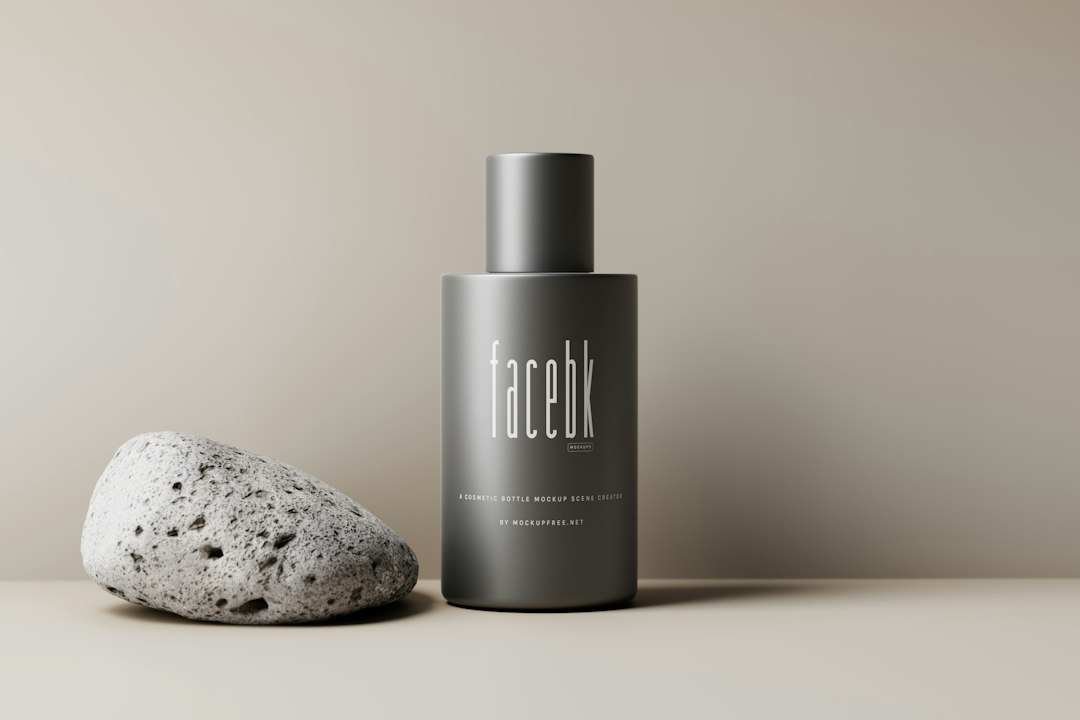
Luxury branding plays a crucial role in today’s competitive business landscape. With the rise of social media and online shopping, consumers have more choices than ever before. In order to stand out from the crowd and attract discerning customers, businesses must invest in creating a strong luxury brand. This article will explore the importance of luxury branding and provide tips for crafting a compelling brand identity, story, voice, and visual identity. It will also discuss the power of emotion in branding, the role of customer experience in building brand loyalty, the benefits of collaborating with influencers and ambassadors, the challenges of online branding, and the importance of measuring the success of your luxury branding strategy.
Key Takeaways
- Luxury branding is important for creating a unique and desirable image for your brand.
- Defining your brand identity and values is crucial for establishing a clear and consistent message.
- Crafting a compelling brand story helps to connect with customers on an emotional level.
- Developing a unique brand voice and tone helps to differentiate your brand from competitors.
- Creating a distinctive visual identity is essential for creating a memorable and recognizable brand.
Understanding the Importance of Luxury Branding
Luxury branding is crucial for businesses because it helps differentiate them from their competitors and creates a perception of exclusivity and quality. Luxury brands are able to command higher prices and attract a loyal customer base who are willing to pay a premium for their products or services. By investing in luxury branding, businesses can create a strong brand image that resonates with their target audience and sets them apart from mass-market brands.
One of the key benefits of luxury branding is that it allows businesses to establish an emotional connection with their customers. Luxury brands are able to tap into consumers’ desires for status, self-expression, and personal fulfillment. By creating a brand that embodies these values, businesses can build a loyal customer base who are not only willing to purchase their products or services but also become advocates for the brand.
Defining Your Brand Identity and Values
Defining your brand identity and values is an essential step in luxury branding. Your brand identity is what sets you apart from your competitors and defines who you are as a business. It encompasses your mission, vision, values, personality, and positioning in the market.
To define your brand identity and values, start by conducting market research to understand your target audience and their needs. This will help you identify the unique selling points of your brand and what sets you apart from your competitors. Next, create a brand positioning statement that clearly communicates your brand’s value proposition and target audience. Finally, develop a set of brand values that align with your target audience’s values and resonate with them on an emotional level.
Crafting a Compelling Brand Story
A compelling brand story is essential for luxury branding because it helps create an emotional connection with your customers. Your brand story should communicate who you are as a business, why you exist, and what makes you unique. It should also evoke emotions and inspire your customers to become part of your brand’s narrative.
To craft a compelling brand story, start by defining the key elements of your brand’s history, mission, and values. Think about what inspired you to start your business and how you want to make a difference in the world. Next, identify the key moments or milestones in your brand’s journey that have shaped who you are today. Finally, weave these elements together into a narrative that is authentic, engaging, and resonates with your target audience.
Developing a Unique Brand Voice and Tone
A unique brand voice and tone are essential for luxury branding because they help create a consistent and memorable brand experience for your customers. Your brand voice is the personality and style of your brand’s communication, while your brand tone is the emotional quality or attitude expressed in your communication.
To develop a unique brand voice and tone, start by defining the key attributes of your brand’s personality. Think about how you want your brand to be perceived by your target audience – do you want to be seen as sophisticated, playful, or authoritative? Next, create a set of guidelines for how your brand should sound in different types of communication – for example, formal and professional in emails, but friendly and conversational on social media.
Creating a Distinctive Visual Identity
A distinctive visual identity is essential for luxury branding because it helps create a strong and recognizable brand image. Your visual identity includes your logo, color palette, typography, and other visual elements that are used consistently across all your brand’s touchpoints.
To create a distinctive visual identity, start by defining the key elements of your brand’s visual style. Think about what colors, fonts, and imagery best represent your brand’s personality and values. Next, work with a professional designer to create a logo and visual assets that reflect your brand’s identity. Finally, develop a set of guidelines for how your visual identity should be applied across different types of communication – for example, on your website, social media profiles, and packaging.
Leveraging the Power of Emotion in Branding
Emotion plays a powerful role in luxury branding because it helps create a strong and lasting connection with your customers. Luxury brands are able to tap into consumers’ desires for status, self-expression, and personal fulfillment by creating a brand that embodies these values.
To leverage the power of emotion in branding, start by understanding your target audience’s emotional needs and desires. Conduct market research to identify the key emotions that drive their purchasing decisions and how your brand can fulfill those needs. Next, incorporate these emotions into your brand’s messaging, visuals, and customer experience. Finally, create opportunities for your customers to engage with your brand on an emotional level – for example, through storytelling, experiential marketing events, or personalized customer experiences.
Building Brand Loyalty through Exceptional Customer Experience
Exceptional customer experience is essential for building brand loyalty in luxury branding. Luxury brands are able to differentiate themselves by providing a personalized and memorable experience for their customers.
To provide exceptional customer experience, start by understanding your target audience’s needs and preferences. Use data analytics and customer feedback to identify areas where you can improve the customer journey and exceed their expectations. Next, invest in training your staff to deliver exceptional service and create a culture of customer-centricity within your organization. Finally, create opportunities for your customers to engage with your brand beyond the point of purchase – for example, through loyalty programs, exclusive events, or personalized communications.
Collaborating with Influencers and Ambassadors
Collaborating with influencers and ambassadors is a powerful strategy for luxury branding because it helps create social proof and credibility for your brand. Influencers and ambassadors are able to reach a large audience and have a strong influence over their followers’ purchasing decisions.
To collaborate with influencers and ambassadors, start by identifying individuals who align with your brand’s values and target audience. Look for influencers who have a strong following and engagement on social media, as well as ambassadors who have a genuine connection to your brand. Next, reach out to these individuals and propose a collaboration that is mutually beneficial – for example, offering them exclusive access to your products or services in exchange for promoting your brand. Finally, track the results of your collaborations and use data analytics to measure the impact on brand awareness, engagement, and sales.
Navigating the Challenges of Online Branding
Online branding presents unique challenges for luxury brands because it requires them to adapt their traditional marketing strategies to the digital landscape. Luxury brands must find ways to create a sense of exclusivity and quality online, while also reaching a wider audience.
One of the key challenges of online branding is maintaining a consistent brand image across different digital channels. Luxury brands must ensure that their visual identity, messaging, and customer experience are aligned across their website, social media profiles, online advertising, and other digital touchpoints.
Another challenge of online branding is managing online reviews and customer feedback. Luxury brands must be proactive in monitoring and responding to customer reviews on platforms such as Yelp or Google My Business. They must also find ways to encourage positive reviews and address any negative feedback in a timely and professional manner.
Measuring the Success of Your Luxury Branding Strategy
Measuring the success of your luxury branding strategy is essential for understanding the impact of your efforts and making informed decisions for future campaigns. There are several metrics that can be used to measure the success of your luxury branding strategy, including brand awareness, engagement, customer satisfaction, and sales.
To measure brand awareness, track metrics such as website traffic, social media followers, and mentions of your brand in online conversations. To measure engagement, track metrics such as likes, comments, shares, and click-through rates on your digital content. To measure customer satisfaction, conduct surveys or collect feedback from your customers to understand their perception of your brand and their likelihood to recommend it to others. Finally, to measure sales, track metrics such as conversion rates, average order value, and customer lifetime value.
In conclusion, luxury branding is crucial for businesses because it helps differentiate them from their competitors and create a perception of exclusivity and quality. By investing in luxury branding, businesses can attract a loyal customer base who are willing to pay a premium for their products or services. To create a strong luxury brand, businesses must define their brand identity and values, craft a compelling brand story, develop a unique brand voice and tone, create a distinctive visual identity, leverage the power of emotion in branding, provide exceptional customer experience, collaborate with influencers and ambassadors, navigate the challenges of online branding, and measure the success of their luxury branding strategy. By following these tips and strategies, businesses can create a strong and memorable luxury brand that resonates with their target audience and drives long-term success.
More in
More from Jewelry
Jewelry · 24 min
Luxury Bridal Jewelry & Engagement Rings: The Complete Guide
Luxury bridal jewelry and engagement ring guide: master the GIA 4Cs, designer maisons, colored gemstones, custom design, insurance, and insider buying…
Jewelry · 29 min
Watch Collecting & Investment: The Complete Guide
Watch collecting and investment guide: how Rolex, Patek Philippe, Audemars Piguet and Richard Mille hold value, plus complications, auctions and 2026 …
Jewelry · 10 min
Fine Jewelry as an Alternative Asset: The Complete Investment Guide
Why Fine Jewelry Is Emerging as a Serious Asset Class Fine jewelry has quietly transformed from a passion purchase into one of the most compelling alt…