Jewelry · Jewelry
The Enchanting World of Precious Stones: Unveiling the Beauty and Significance of Gemstones
Gemstones have captivated humans for centuries with their beauty, rarity, and symbolism. From the dazzling sparkle of diamonds to the deep hues of sapphires and emeralds, these pre…
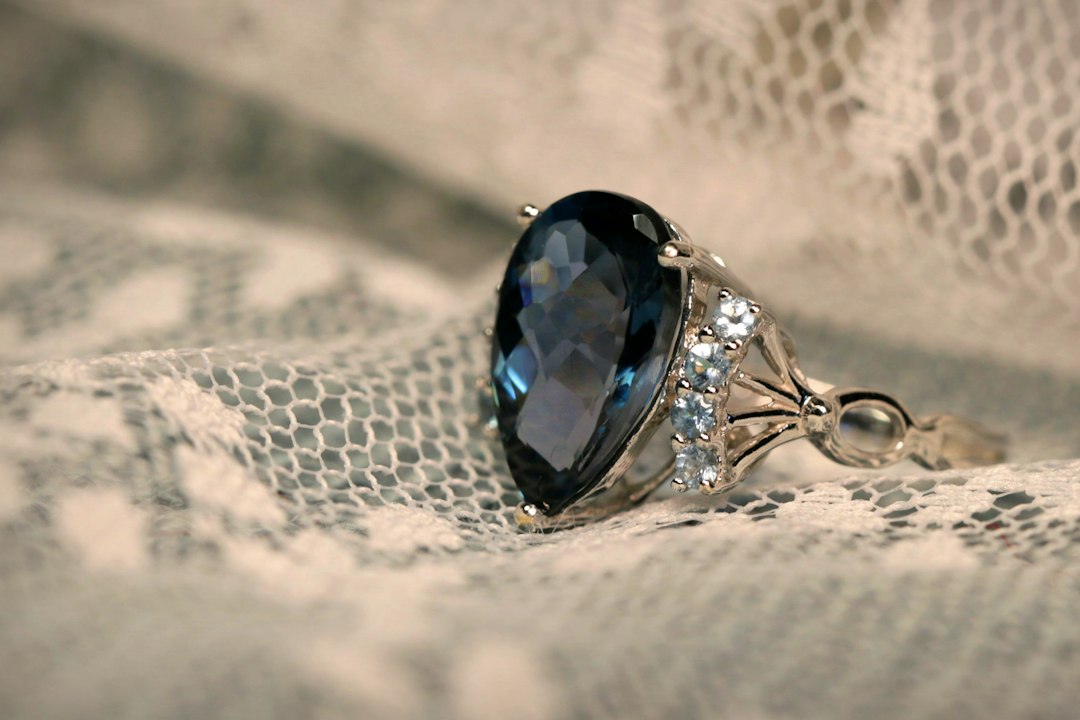
Gemstones have captivated humans for centuries with their beauty, rarity, and symbolism. From the dazzling sparkle of diamonds to the deep hues of sapphires and emeralds, these precious stones have been treasured and sought after throughout history. In this blog post, we will delve into the fascinating world of gemstones, exploring their formation, history, cultural significance, and more. Whether you are a gemstone enthusiast or simply curious about these captivating stones, this article will provide you with a comprehensive overview of the subject.
Key Takeaways
- Precious stones are a fascinating world of discovery that combines science, history, culture, art, and spirituality.
- Understanding the formation and properties of gemstones requires knowledge of geology, mineralogy, and chemistry.
- Gemstones have played important roles in human history, from ancient times to modern day, as symbols of power, wealth, and beauty.
- Gemstones continue to hold cultural and social significance, representing love, luck, protection, and spirituality.
- The art of cutting and polishing gemstones is a delicate and skilled craft that enhances their brilliance and beauty.
The Science of Gemstones
Gemstones are formed deep within the Earth’s crust under intense heat and pressure. They are created through a process called crystallization, where minerals solidify into a specific crystal structure. This process can take millions of years and is influenced by various factors such as temperature, pressure, and chemical composition. The properties of gemstones, such as their color, hardness, and transparency, are determined by these factors.
Geology plays a crucial role in the study of gemstones. Geologists study the Earth’s rocks and minerals to understand how gemstones are formed and where they can be found. By examining the geological processes that occur over time, geologists can identify potential gemstone deposits and predict their quality and quantity. This knowledge is essential for gemstone mining and exploration.
The History of Gemstones
Gemstones have been used by humans for thousands of years. In ancient times, they were prized for their beauty and rarity and were often associated with wealth and power. The Egyptians, for example, used gemstones in their jewelry and burial rituals, believing that they had protective and healing properties.
Over time, the use of gemstones evolved. In ancient Greece and Rome, gemstones were used as symbols of status and were often engraved with images or inscriptions. In medieval Europe, gemstones were believed to have mystical powers and were used in amulets and talismans. In more recent history, gemstones have become popular as birthstones, with each month associated with a specific gemstone.
Gemstones also hold great cultural significance in different societies. For example, the ruby is considered the king of gemstones in many Asian cultures and is believed to bring good fortune and protection. In India, the sapphire is highly revered and is associated with spirituality and wisdom. Understanding the cultural significance of gemstones is essential for appreciating their value and meaning.
The Importance of Gemstones in Culture and Society
Gemstones have long been associated with symbolism and meaning. Each gemstone is believed to possess certain qualities and characteristics that can influence a person’s life. For example, diamonds are often associated with love and commitment, while emeralds are believed to promote harmony and balance.
In many religions and spiritual practices, gemstones play a significant role. They are used in rituals, ceremonies, and as tools for meditation and healing. For example, in Hinduism, gemstones are believed to represent the nine planets and are worn as talismans to bring good luck and ward off negative energies.
Gemstones also have a prominent place in the world of fashion and jewelry. They are used to create stunning pieces of jewelry that can be worn as a form of self-expression or as a status symbol. The beauty and allure of gemstones have made them highly sought after by collectors, designers, and consumers alike.
The Art of Gemstone Cutting and Polishing
Once a gemstone is mined, it must go through a process of cutting and polishing to enhance its beauty and value. This process requires precision, skill, and expertise. Gemstone cutters carefully shape the rough stone into a desired shape, taking into consideration its natural features and flaws.
The cutting process involves several steps, including sawing, grinding, faceting, and polishing. Each step requires careful attention to detail to ensure that the gemstone is cut to maximize its brilliance and sparkle. The skill of the cutter can greatly impact the value of the gemstone, as a well-cut stone will exhibit superior light reflection and color saturation.
The art of gemstone cutting and polishing has been refined over centuries, with advancements in technology and techniques. Today, computer-aided design (CAD) and precision cutting machines have revolutionized the industry, allowing for greater accuracy and consistency in gemstone cutting. However, traditional hand-cutting methods are still highly valued for their craftsmanship and artistic expression.
The Most Valuable Gemstones in the World
The value of a gemstone is determined by several factors, including rarity, color, clarity, and size. Some gemstones are incredibly rare and can command exorbitant prices in the market. For example, diamonds are one of the most valuable gemstones due to their scarcity and enduring popularity.
Other valuable gemstones include rubies, emeralds, sapphires, and alexandrite. These stones are prized for their vibrant colors, exceptional clarity, and rarity. The value of a gemstone can also be influenced by factors such as origin, historical significance, and market demand.
The Healing Powers of Gemstones
Gemstones have long been associated with healing properties and spiritual beliefs. In alternative medicine practices such as crystal healing, gemstones are believed to possess certain energies that can promote physical, emotional, and spiritual well-being.
Each gemstone is believed to have specific healing properties. For example, amethyst is said to promote relaxation and stress relief, while rose quartz is associated with love and emotional healing. While scientific evidence for the healing powers of gemstones is limited, many people find comfort and solace in their use.
The Ethics of Gemstone Mining and Trade
Gemstone mining can have a significant impact on the environment and local communities. The extraction of gemstones often involves the removal of large amounts of earth, which can lead to deforestation, soil erosion, and habitat destruction. Additionally, mining can have social and economic implications, such as displacement of indigenous communities and exploitation of workers.
To address these concerns, there has been a growing movement towards ethical gemstone mining and trade. This includes practices such as fair trade, responsible sourcing, and sustainable mining. Organizations and certifications have been established to ensure that gemstones are mined and traded in an ethical and environmentally responsible manner.
The Future of Gemstones
The world of gemstones is constantly evolving, with advancements in technology and design shaping the industry. New cutting techniques, such as laser cutting and waterjet cutting, are being developed to enhance the precision and efficiency of gemstone cutting. Additionally, innovations in synthetic gemstone production are challenging the traditional market for natural gemstones.
The future of gemstones also holds the potential for new discoveries and innovations in mining and trade. As technology improves, new deposits may be discovered, leading to the availability of previously rare gemstones. Furthermore, advancements in sustainable mining practices may help mitigate the environmental impact of gemstone extraction.
Gemstones will continue to play a significant role in fashion, jewelry, and other industries. Their timeless beauty and allure make them a sought-after commodity for consumers around the world. Whether it is for personal adornment or investment purposes, gemstones will always hold a special place in our society.
The Enchantment of Gemstones
Gemstones have a unique ability to captivate our imagination and evoke a sense of wonder. Their vibrant colors, sparkling brilliance, and natural beauty make them truly enchanting. Throughout history, humans have been drawn to these precious stones, attributing them with magical powers and mystical qualities.
The enduring fascination with gemstones can be attributed to their rarity and symbolism. The fact that they are formed deep within the Earth over millions of years adds to their allure. Additionally, gemstones have been associated with wealth, power, and spirituality, making them objects of desire and admiration.
In conclusion, the world of gemstones is a captivating one, filled with beauty, history, and cultural significance. From their formation deep within the Earth to their use in fashion and spirituality, gemstones have played a prominent role in human society for centuries. Whether you are a collector, a jewelry enthusiast, or simply someone who appreciates the beauty of these precious stones, exploring the world of gemstones is sure to be a rewarding and enchanting experience.
More in
More from Jewelry
Jewelry · 24 min
Luxury Bridal Jewelry & Engagement Rings: The Complete Guide
Luxury bridal jewelry and engagement ring guide: master the GIA 4Cs, designer maisons, colored gemstones, custom design, insurance, and insider buying…

Jewelry · 29 min
Watch Collecting & Investment: The Complete Guide
Watch collecting and investment guide: how Rolex, Patek Philippe, Audemars Piguet and Richard Mille hold value, plus complications, auctions and 2026 …
Jewelry · 10 min
Fine Jewelry as an Alternative Asset: The Complete Investment Guide
Why Fine Jewelry Is Emerging as a Serious Asset Class Fine jewelry has quietly transformed from a passion purchase into one of the most compelling alt…