Jewelry · Jewelry
The Timeless Elegance of Swiss Watches: A Guide to Choosing Your Perfect Timepiece
Swiss watches have long been regarded as the epitome of luxury and prestige. Renowned for their exceptional craftsmanship, precision, and timeless elegance, Swiss watches have beco…
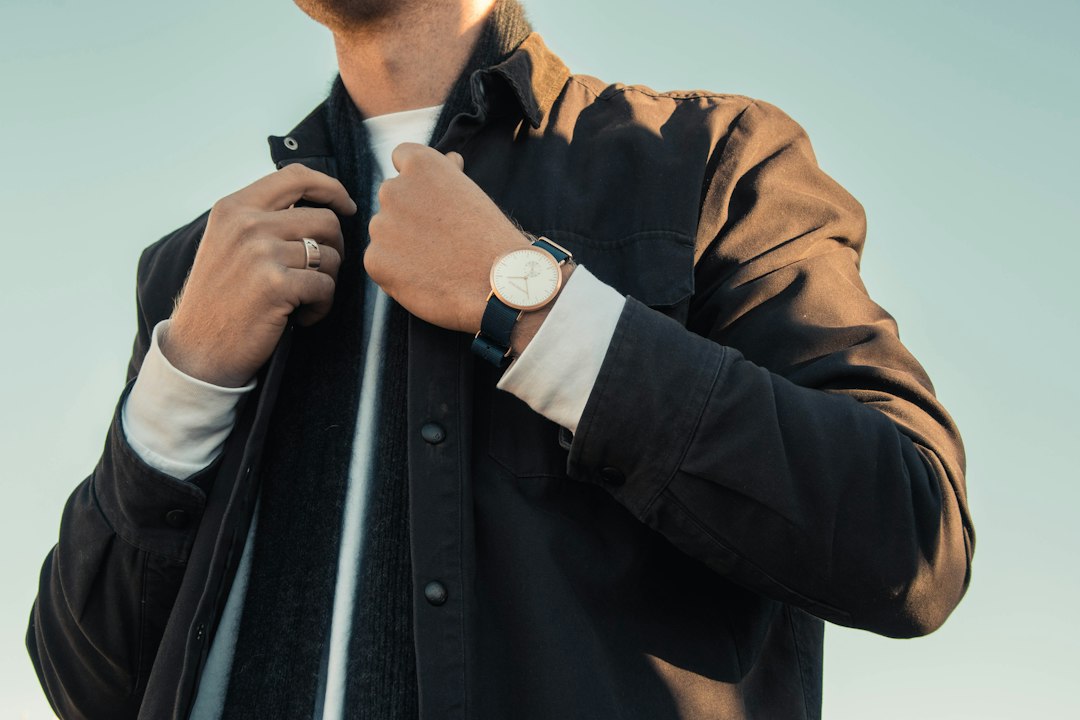
Swiss watches have long been regarded as the epitome of luxury and prestige. Renowned for their exceptional craftsmanship, precision, and timeless elegance, Swiss watches have become a symbol of status and sophistication. From the intricate movements to the exquisite designs, every aspect of a Swiss watch is meticulously crafted to perfection. In this article, we will delve into the rich history of Swiss watchmaking, explore the artistry and innovation behind these timepieces, and provide insights on choosing the perfect Swiss watch for your style.
Key Takeaways
- Swiss watches have a rich history of craftsmanship and luxury dating back to the 16th century.
- The art of Swiss watchmaking combines tradition and innovation to create timeless classics.
- Understanding the anatomy of a Swiss watch is important for appreciating its components and quality.
- There are different types of Swiss watches, from dress to sport watches, to suit different styles and needs.
- Choosing the right Swiss watch for your style requires considering factors such as size, material, and movement type.
A Brief History of Swiss Watches: From Craftsmanship to Luxury
The origins of Swiss watchmaking can be traced back to the 16th century when Huguenot refugees brought their skills in watchmaking to Switzerland. The Swiss quickly embraced this craft and began producing timepieces that were not only functional but also aesthetically pleasing. The reputation of Swiss watches grew rapidly, and by the 18th century, Switzerland had become the leading producer of watches in Europe.
As time went on, Swiss watches evolved from being mere timekeeping devices to luxury accessories. The introduction of mechanical movements in the 19th century revolutionized the industry, allowing for more precise timekeeping and intricate complications such as chronographs and perpetual calendars. This era also saw the rise of renowned Swiss watchmakers such as Patek Philippe, Vacheron Constantin, and Audemars Piguet, who set new standards for craftsmanship and innovation.
The Art of Swiss Watchmaking: The Importance of Tradition and Innovation
Tradition plays a crucial role in Swiss watchmaking. Many Swiss watchmakers have been passed down through generations, with each new generation building upon the knowledge and techniques of their predecessors. This commitment to tradition ensures that the artistry and craftsmanship that have made Swiss watches famous are preserved and upheld.
At the same time, innovation is equally important in keeping up with modern demands. Swiss watchmakers constantly strive to push the boundaries of what is possible, incorporating new materials, technologies, and design elements into their timepieces. This delicate balance between tradition and innovation is what sets Swiss watches apart and allows them to remain at the forefront of the luxury watch industry.
The Anatomy of a Swiss Watch: Understanding the Components of a Timeless Classic
To truly appreciate the artistry of a Swiss watch, it is important to understand its various components. A typical Swiss watch consists of several key parts, including the case, dial, hands, movement, and strap or bracelet.
The case serves as the protective housing for the watch and can be made from various materials such as stainless steel, gold, or titanium. The dial is where the time is displayed and can feature different designs and complications depending on the model. The hands indicate the hours, minutes, and seconds, while the movement is the engine that powers the watch and ensures accurate timekeeping. Finally, the strap or bracelet provides comfort and style, with options ranging from leather to metal.
High-quality materials are essential in Swiss watches to ensure durability and longevity. For example, stainless steel is commonly used for its strength and resistance to corrosion. Precious metals such as gold or platinum are often used for their luxurious appearance. Sapphire crystal is used for the watch face due to its scratch resistance and clarity. These high-quality materials not only enhance the aesthetics of a Swiss watch but also contribute to its overall value.
The Different Types of Swiss Watches: From Dress to Sport Watches
Swiss watches come in a wide range of styles and types to suit different preferences and occasions. Some of the most popular types include dress watches, sport watches, dive watches, and chronographs.
Dress watches are typically characterized by their elegant and minimalist designs. They are often slim and feature a simple dial with minimal complications. These watches are perfect for formal occasions or when you want to make a sophisticated statement.
Sport watches, on the other hand, are designed to withstand more rugged activities. They are often water-resistant, shock-resistant, and feature additional functionalities such as chronographs or tachymeters. These watches are ideal for outdoor activities or sports enthusiasts who require a timepiece that can keep up with their active lifestyle.
Other types of Swiss watches include dive watches, which are specifically designed for underwater use and can withstand high water pressure, and chronographs, which have additional stopwatch functions. Each type of watch has its own unique features and characteristics, allowing you to choose one that suits your specific needs and style.
Choosing the Right Swiss Watch for Your Style: Tips and Tricks
When choosing a Swiss watch, there are several factors to consider to ensure that it matches your personal style and preferences. Firstly, consider the size of the watch case. Larger cases tend to make a bolder statement, while smaller cases offer a more understated look. It is important to choose a size that complements your wrist size and overall style.
Secondly, consider the dial design and complications. Some people prefer a clean and minimalist dial, while others may prefer a more intricate design with various complications such as date displays or moon phases. Think about what functionalities are important to you and choose a watch that meets your needs.
Lastly, consider the strap or bracelet material. Leather straps offer a classic and sophisticated look, while metal bracelets provide a more sporty or modern aesthetic. The choice of material will depend on your personal style and the occasions you plan to wear the watch for.
The Materials Used in Swiss Watches: From Stainless Steel to Precious Metals
Swiss watches are crafted using a variety of materials, each with its own unique characteristics and benefits. Stainless steel is one of the most commonly used materials due to its durability, resistance to corrosion, and versatility in design. It is often used for both the case and bracelet of a watch, providing a sleek and modern look.
Precious metals such as gold or platinum are also frequently used in Swiss watches, particularly in luxury models. These materials not only add a touch of luxury and elegance but also hold their value over time. Gold watches, in particular, are highly sought after for their timeless appeal and investment value.
Other materials used in Swiss watches include ceramic, titanium, and carbon fiber. Ceramic is prized for its scratch resistance and hypoallergenic properties, while titanium is known for its lightweight and hypoallergenic nature. Carbon fiber is a high-tech material that offers exceptional strength and durability.
Each material has its own unique benefits and drawbacks, so it is important to consider your preferences and lifestyle when choosing a watch.
The Mechanics of Swiss Watches: Quartz vs. Automatic Movements
The movement of a watch refers to the mechanism that powers it and ensures accurate timekeeping. Swiss watches are typically powered by either quartz or automatic movements.
Quartz movements are powered by a battery and use a quartz crystal to regulate the timekeeping. These movements are known for their accuracy and low maintenance requirements. Quartz watches are often more affordable than their automatic counterparts and are popular for everyday wear.
Automatic movements, on the other hand, are powered by the natural motion of the wearer’s wrist. They do not require a battery and are often preferred by watch enthusiasts for their craftsmanship and mechanical complexity. Automatic watches require regular winding or wearing to keep them running accurately.
The choice between quartz and automatic movements ultimately comes down to personal preference. If accuracy and convenience are your top priorities, a quartz watch may be the better option. However, if you appreciate the artistry and craftsmanship of mechanical movements, an automatic watch may be more suitable.
The Importance of Swiss Watch Brands: From Rolex to Omega
Switzerland is home to some of the most prestigious and iconic watch brands in the world. Each brand has its own unique characteristics and features that set it apart from the rest.
Rolex is perhaps the most well-known Swiss watch brand, renowned for its timeless designs, exceptional quality, and precision. Rolex watches are often associated with luxury and are highly sought after by collectors and enthusiasts.
Omega is another prominent Swiss watch brand, famous for its association with space exploration and the James Bond franchise. Omega watches are known for their innovative technology, durability, and sporty designs.
Other notable Swiss watch brands include Patek Philippe, known for its exquisite complications and craftsmanship, and TAG Heuer, recognized for its sporty and avant-garde designs. Each brand has its own unique heritage and reputation, so it is important to research and choose a brand that aligns with your preferences and values.
Caring for Your Swiss Watch: Maintenance and Repair
To ensure the longevity and performance of your Swiss watch, proper maintenance and care are essential. Here are some tips to keep your watch in optimal condition:
– Regularly clean your watch using a soft cloth to remove dirt and oils.
– Avoid exposing your watch to extreme temperatures or moisture.
– If your watch is water-resistant, have it tested regularly to ensure the seals are intact.
– Avoid exposing your watch to strong magnetic fields as this can affect its accuracy.
– If your watch has a leather strap, avoid getting it wet as water can damage the material.
– Have your watch serviced by a professional every few years to ensure it is running smoothly.
If your watch requires repair or servicing, it is best to seek professional help from an authorized service center or watchmaker. Attempting to repair the watch yourself or taking it to an unauthorized repair shop can void the warranty and potentially cause further damage.
Investing in a Swiss Watch: The Value of Timeless Elegance
Investing in a high-quality Swiss watch can be a wise decision for several reasons. Firstly, Swiss watches are known for their exceptional craftsmanship and attention to detail. The intricate movements, luxurious materials, and timeless designs make them highly desirable and valuable.
Secondly, Swiss watches often hold their value over time and can even appreciate in value. Certain models from prestigious brands such as Rolex or Patek Philippe have become highly sought after by collectors and can command significant prices in the secondary market.
Lastly, a Swiss watch is not just a timekeeping device but also a statement piece that reflects your personal style and taste. It is a symbol of status and sophistication that can elevate any outfit or occasion.
Swiss watches have earned their reputation as the pinnacle of luxury and craftsmanship. From their rich history to their meticulous artistry, every aspect of a Swiss watch is a testament to the dedication and skill of the watchmakers. Whether you are looking for a dress watch for formal occasions or a sport watch for outdoor adventures, there is a Swiss watch that will suit your style and preferences.
When choosing a Swiss watch, consider factors such as the size, dial design, and materials used. Take into account your personal style and the occasions you plan to wear the watch for. Remember to care for your watch properly to ensure its longevity and performance.
Investing in a high-quality Swiss watch can be a valuable addition to your collection, both in terms of its aesthetic appeal and potential financial return. Ultimately, a Swiss watch is more than just a timepiece, it is an investment in timeless elegance and sophistication.
More in
More from Jewelry
Jewelry · 24 min
Luxury Bridal Jewelry & Engagement Rings: The Complete Guide
Luxury bridal jewelry and engagement ring guide: master the GIA 4Cs, designer maisons, colored gemstones, custom design, insurance, and insider buying…
Jewelry · 29 min
Watch Collecting & Investment: The Complete Guide
Watch collecting and investment guide: how Rolex, Patek Philippe, Audemars Piguet and Richard Mille hold value, plus complications, auctions and 2026 …
Jewelry · 10 min
Fine Jewelry as an Alternative Asset: The Complete Investment Guide
Why Fine Jewelry Is Emerging as a Serious Asset Class Fine jewelry has quietly transformed from a passion purchase into one of the most compelling alt…