Jewelry · Jewelry
The Ultimate Guide to Investing in Luxury Jewelry: How to Choose and Care for Your Precious Pieces
Investing in luxury jewelry is a smart choice for several reasons. Firstly, luxury jewelry holds enduring value. Unlike other investments that may fluctuate in value, luxury jewelr…
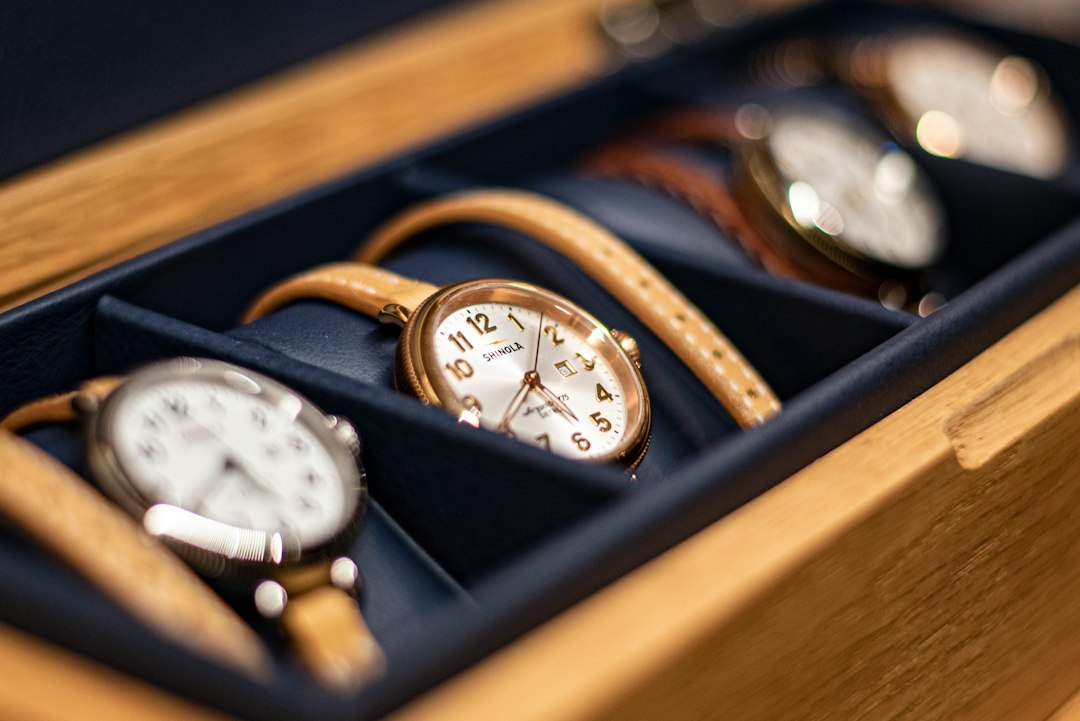
Investing in luxury jewelry is a smart choice for several reasons. Firstly, luxury jewelry holds enduring value. Unlike other investments that may fluctuate in value, luxury jewelry tends to hold its worth over time. This is because the materials used in luxury jewelry, such as diamonds, gemstones, and precious metals, are rare and valuable.
Secondly, luxury jewelry holds emotional and sentimental value. Jewelry is often given as a gift to mark special occasions or milestones in life, such as engagements, anniversaries, or birthdays. These pieces become cherished heirlooms that are passed down through generations, carrying with them the memories and emotions of the past.
Lastly, luxury jewelry has the potential for appreciation in value over time. While it is not guaranteed that every piece of jewelry will increase in value, certain factors can contribute to its appreciation. For example, the rarity of a particular gemstone or the craftsmanship of a piece can increase its value over time.
Key Takeaways
- Investing in luxury jewelry is a smart choice for long-term asset growth.
- Understanding the different types of luxury jewelry, including diamonds, gemstones, and precious metals, is important when making an investment.
- Factors to consider when investing in luxury jewelry include quality, rarity, and market demand.
- When investing in diamonds, look for the 4 Cs: cut, clarity, color, and carat weight.
- Investing in colored gemstones requires an understanding of their rarity and value.
Understanding the Different Types of Luxury Jewelry: Diamonds, Gemstones, and Precious Metals
When investing in luxury jewelry, it is important to understand the different types available. The three main categories are diamonds, gemstones, and precious metals.
Diamonds are one of the most sought-after gemstones in the world. They are valued for their brilliance, durability, and rarity. The value of a diamond is determined by the 4 Cs: cut, color, clarity, and carat weight. A well-cut diamond with minimal color and clarity flaws will be more valuable than one with lower grades.
Gemstones come in a variety of colors and types. Some of the most valuable gemstones include rubies, emeralds, and sapphires. The value of a colored gemstone is determined by factors such as color intensity, clarity, size, and origin. Certain gemstones from specific regions, such as Kashmir sapphires or Burmese rubies, are highly prized and can command high prices.
Precious metals, such as gold, silver, and platinum, are also used in luxury jewelry. These metals have intrinsic value due to their rarity and industrial uses. Gold is the most popular choice for jewelry due to its durability and timeless appeal. Silver is more affordable but still holds value, while platinum is the most expensive and durable of the three metals.
How to Choose the Right Piece: Factors to Consider When Investing in Luxury Jewelry
When investing in luxury jewelry, there are several factors to consider to ensure you choose the right piece.
Quality and craftsmanship are essential when selecting a piece of luxury jewelry. Look for well-made pieces with attention to detail and precision. The craftsmanship should be evident in the setting, the finish, and the overall design of the piece.
Rarity and uniqueness also play a role in the value of luxury jewelry. Pieces that are one-of-a-kind or made with rare gemstones or materials will hold more value over time. Consider investing in limited edition or designer pieces that are not mass-produced.
Brand and designer reputation can also impact the value of luxury jewelry. Established brands with a long history of quality and craftsmanship tend to hold their value better than lesser-known brands. Similarly, pieces designed by renowned designers or artists may appreciate in value over time.
Personal style and preferences should also be taken into account when choosing a piece of luxury jewelry. It is important to select a piece that you love and will enjoy wearing. This will ensure that you get maximum enjoyment out of your investment.
Investing in Diamonds: What to Look for When Choosing a Diamond Piece
When investing in diamonds, it is important to understand the 4 Cs: cut, color, clarity, and carat weight.
The cut of a diamond refers to how well it has been shaped and faceted. A well-cut diamond will reflect light and sparkle more, making it more valuable. The color of a diamond is graded on a scale from D (colorless) to Z (light yellow or brown). Colorless diamonds are the most valuable, while those with more color are less valuable.
Clarity refers to the presence of internal or external flaws, known as inclusions and blemishes. The fewer flaws a diamond has, the more valuable it is. Clarity is graded on a scale from Flawless (no inclusions or blemishes visible under 10x magnification) to Included (inclusions and blemishes visible to the naked eye).
Carat weight refers to the size of the diamond. Larger diamonds are rarer and therefore more valuable. However, it is important to note that carat weight alone does not determine a diamond’s value. The other three Cs also play a significant role.
Diamond grading and certification are important when investing in diamonds. Look for diamonds that have been certified by reputable gemological laboratories, such as the Gemological Institute of America (GIA) or the American Gem Society (AGS). These certifications provide an unbiased assessment of a diamond’s quality and ensure that you are getting what you pay for.
The provenance of a diamond can also impact its value. Diamonds that come from conflict-free sources or have a documented history of ethical sourcing may be more desirable and valuable.
Investing in Gemstones: Understanding the Value and Rarity of Colored Stones
When investing in gemstones, it is important to understand the factors that affect their value.
Color intensity is one of the most important factors when determining the value of colored gemstones. Vibrant, saturated colors are more desirable and valuable than pale or washed-out colors. For example, a deep red ruby or a vivid blue sapphire will command higher prices than lighter shades of the same gemstone.
Clarity is also important when evaluating colored gemstones. Like diamonds, gemstones can have inclusions or blemishes that affect their clarity. However, the impact of clarity on a gemstone’s value is not as significant as it is for diamonds. Inclusions are often accepted in colored gemstones as long as they do not affect the overall beauty of the stone.
Size and carat weight also play a role in the value of colored gemstones. Larger gemstones are rarer and therefore more valuable. However, it is important to note that size alone does not determine a gemstone’s value. The color, clarity, and overall quality of the stone are also important factors.
The provenance and certification of colored gemstones are crucial when investing in them. Gemstones that come from reputable sources and have been certified by recognized gemological laboratories will hold more value. This ensures that the gemstone is genuine and has not been treated or enhanced in any way.
The popularity and demand for certain types of gemstones can also impact their value. For example, emeralds from Colombia or rubies from Burma are highly sought after and can command higher prices due to their rarity and quality.
Investing in Precious Metals: Gold, Silver, and Platinum
When investing in precious metals, it is important to understand their properties and uses.
Gold is the most popular choice for jewelry due to its durability, malleability, and timeless appeal. It is a dense metal that does not tarnish or corrode, making it ideal for everyday wear. Gold jewelry is often made with alloys to increase its strength and durability. The purity of gold is measured in karats, with 24 karat gold being pure gold.
Silver is a more affordable option for jewelry but still holds value due to its rarity and industrial uses. It is a softer metal than gold and can tarnish over time. Silver jewelry is often made with sterling silver, which is an alloy of silver and other metals such as copper. Sterling silver is 92.5% pure silver.
Platinum is the most expensive and durable of the three precious metals. It is a dense, white metal that does not tarnish or corrode. Platinum jewelry is often made with 95% pure platinum, making it a valuable investment. Platinum is also hypoallergenic, making it a popular choice for those with sensitive skin.
The value of precious metals is influenced by several factors, including supply and demand, economic conditions, and market trends. The price of gold, silver, and platinum can fluctuate daily based on these factors. It is important to stay informed about the current market conditions when investing in precious metal jewelry.
How to Care for Your Luxury Jewelry: Cleaning, Storage, and Maintenance Tips
Proper care and maintenance are essential to ensure the longevity and value of your luxury jewelry.
Different types of jewelry require different cleaning techniques. For diamonds and gemstones, a gentle cleaning solution made with warm water and mild soap can be used. Use a soft brush or cloth to gently clean the surface of the jewelry. Avoid using harsh chemicals or abrasive materials that can damage the stones or metal.
For precious metal jewelry, a polishing cloth can be used to remove tarnish and restore shine. Avoid using abrasive materials or harsh chemicals that can scratch or damage the metal. Store your jewelry in a clean, dry place away from direct sunlight or extreme temperatures.
Proper storage is also important to prevent damage and wear. Keep your jewelry in separate compartments or pouches to prevent scratching or tangling. Avoid storing jewelry in humid areas such as bathrooms, as moisture can cause damage to the metal or gemstones.
Regular maintenance is necessary to keep your luxury jewelry in optimal condition. Take your pieces to a professional jeweler for regular inspections and cleanings. They can check for loose stones, worn prongs, or other issues that may need to be addressed. It is also important to have your jewelry appraised regularly to ensure that it is properly insured.
Insuring Your Investment: Why You Need to Protect Your Luxury Jewelry
Insuring your luxury jewelry is essential to protect your investment from potential risks and losses.
There are several risks associated with owning luxury jewelry. Loss, theft, damage, or accidental loss can all result in significant financial loss. Without proper insurance coverage, you may not be able to recover the full value of your jewelry in the event of a loss.
Insurance provides financial protection and peace of mind. It can cover the cost of repairing or replacing your jewelry in the event of a covered loss. It can also provide coverage for damage, theft, or loss while traveling or away from home.
When choosing an insurance policy for your luxury jewelry, it is important to consider several factors. Look for a policy that provides comprehensive coverage for all risks, including loss, theft, damage, and accidental loss. Consider the deductible and coverage limits of the policy to ensure that they meet your needs.
It is also important to choose an insurance company with a good reputation and a history of providing excellent customer service. Read reviews and ask for recommendations from friends or family members who have insured their jewelry.
Selling Your Luxury Jewelry: Tips for Maximizing Your Investment
If you decide to sell your luxury jewelry, there are several options available to maximize your return on investment.
One option is to sell your jewelry privately. This can be done through classified ads, online marketplaces, or social media platforms. Selling privately allows you to set your own price and negotiate directly with potential buyers. However, it can be time-consuming and may require some marketing and sales skills.
Another option is to sell your jewelry through a reputable jeweler or auction house. These professionals have the expertise and connections to reach a wider audience and achieve a higher selling price. They can also provide appraisals and certifications that can increase the value of your jewelry.
The factors that affect the resale value of your jewelry include the quality and condition of the piece, the rarity and desirability of the materials used, and the current market conditions. It is important to have your jewelry appraised by a professional to determine its current value before selling.
To maximize your return on investment, consider selling your jewelry during a strong market or when there is high demand for certain types of jewelry. Take good care of your jewelry and keep it in optimal condition to maintain its value over time.
Investing in Luxury Jewelry as a Long-Term Asset
Investing in luxury jewelry is a smart choice for several reasons. It holds enduring value, has emotional and sentimental value, and has the potential for appreciation in value over time.
Understanding the different types of luxury jewelry, such as diamonds, gemstones, and precious metals, is important when making an investment. Factors such as quality, rarity, brand reputation, and personal style should be considered when choosing a piece.
Proper care and maintenance are essential to ensure the longevity and value of your luxury jewelry. Insuring your investment is important to protect against potential risks and losses. When selling your jewelry, consider all options to maximize your return on investment.
In conclusion, investing in luxury jewelry can be a rewarding long-term asset. It combines the beauty and craftsmanship of fine jewelry with the potential for financial gain. By choosing quality pieces, taking proper care of them, and staying informed about market trends, you can enjoy the benefits of luxury jewelry as both a wearable art form and a valuable investment.
More in
More from Jewelry
Jewelry · 24 min
Luxury Bridal Jewelry & Engagement Rings: The Complete Guide
Luxury bridal jewelry and engagement ring guide: master the GIA 4Cs, designer maisons, colored gemstones, custom design, insurance, and insider buying…
Jewelry · 29 min
Watch Collecting & Investment: The Complete Guide
Watch collecting and investment guide: how Rolex, Patek Philippe, Audemars Piguet and Richard Mille hold value, plus complications, auctions and 2026 …
Jewelry · 10 min
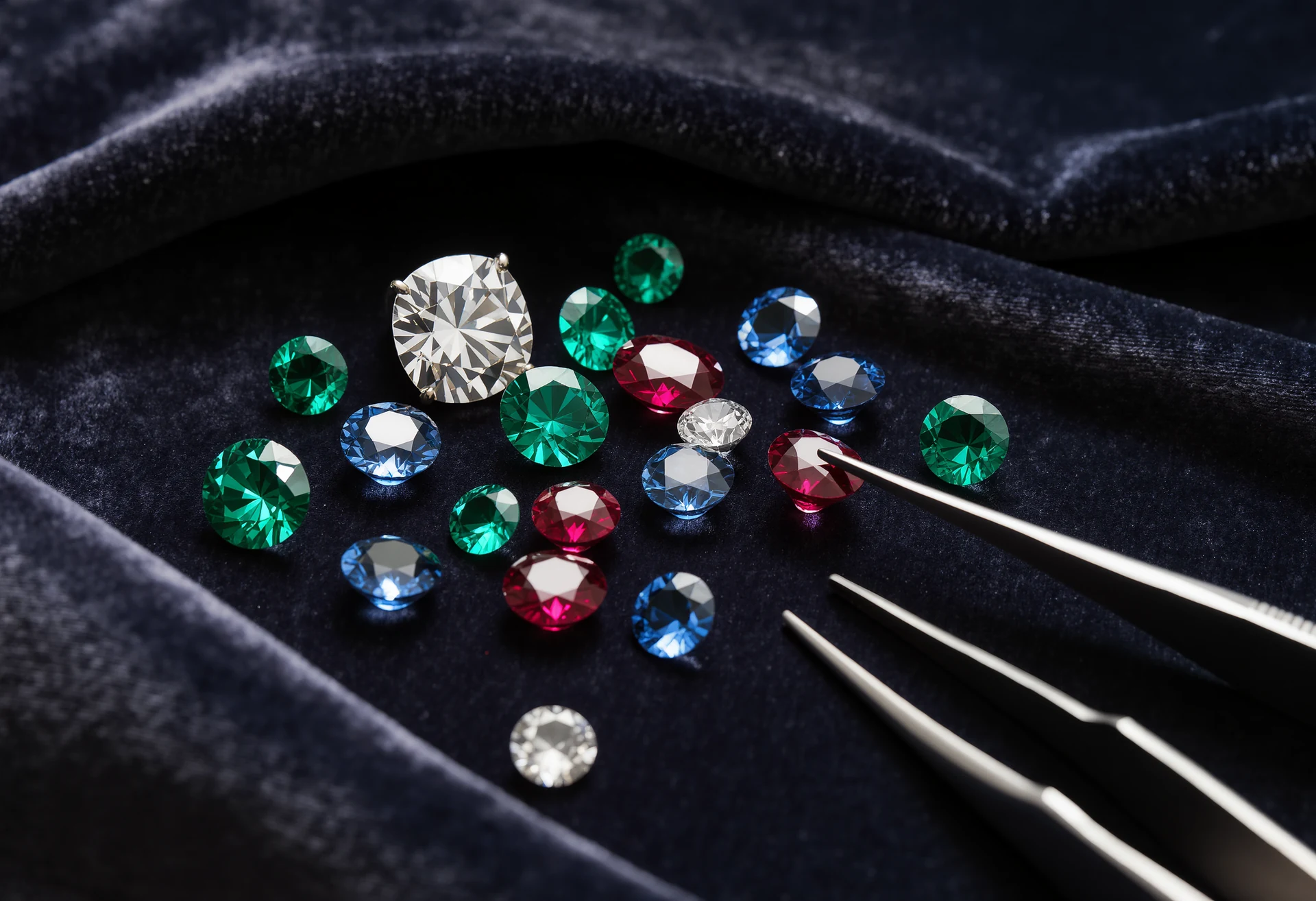
Fine Jewelry as an Alternative Asset: The Complete Investment Guide
Why Fine Jewelry Is Emerging as a Serious Asset Class Fine jewelry has quietly transformed from a passion purchase into one of the most compelling alt…