Jewelry · Jewelry
Uncovering the World’s Most Exquisite and Rare Gemstones: A Journey Through Nature’s Treasures
Gemstones have captivated humans for centuries with their beauty, rarity, and symbolism. These precious stones have played a significant role in human history and culture, adorning…
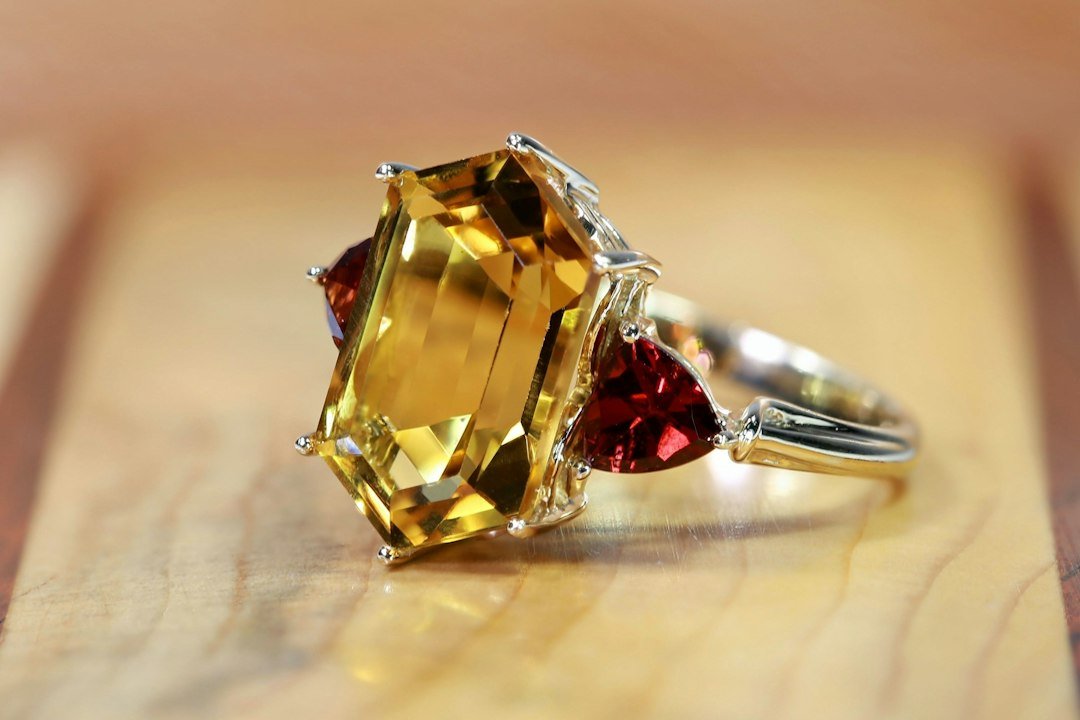
Gemstones have captivated humans for centuries with their beauty, rarity, and symbolism. These precious stones have played a significant role in human history and culture, adorning royalty, representing power and wealth, and even being used for healing purposes. From diamonds to rubies, sapphires to emeralds, gemstones have a timeless allure that continues to enchant us.
Key Takeaways
- Gemstones are fascinating and have been prized for their beauty and rarity for centuries.
- Gemstones are formed through geological processes and can be found in various locations around the world.
- Rarity is a key factor in determining the value of a gemstone, along with its color, clarity, and cut.
- The top 10 most exquisite gemstones in the world include the Hope Diamond, the Pink Star Diamond, and the Sunrise Ruby.
- Diamonds are the most well-known and valuable gemstone, prized for their brilliance and durability.
The Science of Gemstones: How they are Formed and Found
Gemstones are formed deep within the Earth’s crust through a combination of intense heat and pressure over millions of years. This process occurs in specific geological environments, such as volcanic eruptions or the movement of tectonic plates. As these gemstone-bearing rocks are exposed at the Earth’s surface through natural processes like erosion or mining activities, gemstones can be found and extracted.
There are various types of gemstone deposits, including primary deposits, secondary deposits, and alluvial deposits. Primary deposits are formed directly from the crystallization of minerals within the Earth’s crust. Secondary deposits are formed when primary deposits erode and release gemstones into rivers or other bodies of water. Alluvial deposits occur when these gemstones are transported by water and deposited in riverbeds or on beaches.
Mining is the process of extracting gemstones from the Earth. There are different methods used depending on the type of deposit and the location. Open-pit mining involves removing the top layer of soil to access gemstone-bearing rocks. Underground mining is used when gemstone deposits are located deep underground. Alluvial mining involves sifting through riverbeds or beaches to find loose gemstones.
The Importance of Rarity: What Makes a Gemstone Valuable?
Several factors determine a gemstone’s value, including rarity, color, clarity, and size. Rarity is one of the most significant factors because it directly affects the supply and demand of a gemstone. The rarer a gemstone is, the more valuable it becomes. For example, diamonds are considered rare because they are formed under specific geological conditions that are not common.
Color is another crucial factor in determining a gemstone’s value. Some gemstones, like rubies and sapphires, are valued for their intense and vibrant colors. The clarity of a gemstone refers to the absence of internal or external flaws. Gemstones with high clarity are more valuable because they allow more light to pass through, enhancing their brilliance.
Size also plays a role in a gemstone’s value. Larger gemstones are generally more valuable because they are rarer to find. However, the quality of the gemstone is equally important. A smaller gemstone with exceptional color, clarity, and cut can be more valuable than a larger gemstone with lower quality.
The Top 10 Most Exquisite Gemstones in the World
1. The Hope Diamond: This legendary blue diamond is one of the most famous gemstones in the world. It weighs 45.52 carats and is known for its deep blue color and exceptional clarity.
2. The Star of India: This stunning star sapphire is one of the largest in the world, weighing 563.35 carats. It exhibits a unique phenomenon called asterism, where a star-shaped pattern appears on the surface when light is reflected.
3. The Pink Star Diamond: This rare pink diamond holds the record for being the most expensive gemstone ever sold at auction. It weighs 59.60 carats and has a vivid pink color.
4. The Black Prince’s Ruby: Despite its name, this gemstone is actually a red spinel. It is set in the British Imperial State Crown and has a fascinating history dating back to the 14th century.
5. The Cullinan Diamond: This diamond is the largest gem-quality diamond ever found, weighing a staggering 3,106.75 carats. It was cut into several smaller diamonds, including the Great Star of Africa and the Lesser Star of Africa, which are part of the British Crown Jewels.
6. The Emerald Tiara: This exquisite tiara features a collection of emeralds set in a stunning design. It is part of the Swedish Royal Family’s collection and is often worn by Queen Silvia.
7. The Blue Moon Diamond: This rare blue diamond weighs 12.03 carats and is known for its exceptional color and clarity. It was named the Blue Moon Diamond because it is as rare as a blue moon.
8. The Star of Africa: This diamond, also known as the Cullinan I, is the largest cut diamond in the world. It weighs 530.20 carats and is set in the British Sovereign’s Sceptre with Cross.
9. The Sunrise Ruby: This vibrant red ruby weighs 25.59 carats and is considered one of the most valuable gemstones in the world. It is known for its intense color and exceptional clarity.
10. The Queen of Sheba’s Ruby: This large ruby weighs 400 carats and is believed to have belonged to the Queen of Sheba herself. It has a deep red color and is set in a stunning necklace.
Diamonds: The King of Gemstones
Diamonds have long been considered the king of gemstones due to their exceptional hardness, brilliance, and rarity. They have been prized for centuries for their beauty and symbolism, representing love, power, and wealth.
Diamonds are graded based on the “Four Cs”: carat weight, color, clarity, and cut. Carat weight refers to the size of the diamond, with larger diamonds being more valuable. Color ranges from colorless to yellow or brown, with colorless diamonds being the most valuable. Clarity refers to the absence of internal or external flaws, with flawless diamonds being the most valuable. Cut refers to how well the diamond has been cut and shaped, affecting its brilliance and sparkle.
Famous diamonds throughout history include the Koh-i-Noor, which is part of the British Crown Jewels, and the Hope Diamond, known for its deep blue color and fascinating history. Diamonds continue to be highly sought after and are often used in engagement rings and other fine jewelry.
The Mysterious World of Colored Gemstones: Rubies, Sapphires, and Emeralds
Rubies, sapphires, and emeralds are three of the most popular colored gemstones, each with its own unique characteristics and properties.
Rubies are known for their vibrant red color, which is caused by the presence of chromium in the crystal structure. The finest rubies have a deep red color with a hint of blue. Rubies have been highly valued throughout history and are often associated with passion and love.
Sapphires come in a variety of colors, but the most prized are the blue sapphires. The blue color is caused by the presence of iron and titanium in the crystal structure. Sapphires are known for their durability and brilliance, making them a popular choice for engagement rings.
Emeralds are known for their intense green color, which is caused by the presence of chromium and vanadium. They are often included or have visible flaws, known as jardin, which is considered part of their charm. Emeralds have been treasured for centuries and are associated with rebirth and renewal.
Famous examples of these colored gemstones include the Black Prince’s Ruby, which is actually a red spinel set in the British Imperial State Crown, and the Star of India, a stunning star sapphire that exhibits asterism.
The Beauty of Opals and Pearls: Unique and Enchanting Gemstones
Opals and pearls are two unique gemstones that have captivated humans with their enchanting beauty.
Opals are known for their iridescent play-of-color, which is caused by the diffraction of light within the stone. They come in a variety of colors, with the most prized being the black opals from Australia. Opals are formed when water seeps into silica-rich rocks and forms a gel-like substance. Over time, this substance hardens and becomes opal.
Pearls are formed inside the shells of certain mollusks, such as oysters and mussels. They are created when an irritant, such as a grain of sand, enters the shell and the mollusk secretes layers of nacre to protect itself. This process can take several years, resulting in a lustrous and smooth pearl.
Opals and pearls have been treasured for centuries and are often used in jewelry. They have a timeless elegance and are associated with purity, innocence, and femininity.
The Hunt for Rare Gemstones: Exploring the World’s Most Remote Locations
Some of the world’s most valuable gemstones are found in remote and difficult-to-reach locations. These locations often pose challenges and risks for miners, but the rewards can be great.
One example is the Mogok Valley in Myanmar, which is known for its exceptional rubies. The valley is located in a mountainous region, making it difficult to access. Miners often have to endure harsh conditions and work with basic tools to extract the rubies from the ground.
Another remote location is Madagascar, which is known for its sapphires. The sapphires found in Madagascar are highly prized for their intense blue color. However, mining in Madagascar can be challenging due to political instability and lack of infrastructure.
The Amazon rainforest in Brazil is also home to valuable gemstones, including emeralds and tourmalines. Mining in the Amazon can be dangerous due to the dense vegetation, wildlife, and the presence of illegal mining activities.
Despite the challenges, these remote locations continue to be explored by miners in search of rare and valuable gemstones.
The Art of Gemstone Cutting and Polishing: From Rough Stone to Dazzling Gem
Gemstone cutting and polishing is a skilled craft that transforms rough stones into dazzling gems. The process involves several steps, including shaping, faceting, and polishing.
The first step is shaping the rough stone into a desired shape, such as a round or oval. This is done using saws or lasers to cut away excess material. Once the rough shape is achieved, the gemstone is faceted to enhance its brilliance and sparkle. This involves cutting precise angles and facets on the surface of the stone.
After faceting, the gemstone is polished to give it a smooth and shiny finish. This is done using a series of finer and finer abrasives until the desired polish is achieved. Skilled craftsmen play a crucial role in this process, as their expertise and precision can greatly enhance the beauty of a gemstone.
There are various cuts and styles used in gemstone cutting, each with its own unique characteristics. Some popular cuts include the round brilliant cut, princess cut, emerald cut, and marquise cut. Each cut has its own specific number of facets and proportions, which affect how light is reflected within the gemstone.
The Future of Gemstones: Sustainable Mining and Ethical Practices
The gemstone industry has faced criticism for its environmental and social impact. Mining can have detrimental effects on ecosystems, including deforestation, soil erosion, and water pollution. Additionally, mining activities can often exploit local communities and workers.
However, there are efforts being made to promote sustainable mining practices and ethical sourcing of gemstones. Organizations such as the Responsible Jewellery Council and the Gemstone Industry and Laboratory Conference are working to establish standards and certifications for ethical practices in the industry.
Innovations in technology are also helping to reduce the environmental impact of mining. For example, new mining techniques are being developed that minimize the need for large-scale excavation and reduce waste. Additionally, advancements in lab-grown gemstones are providing an alternative to traditional mining, reducing the demand for natural gemstones.
The future of the gemstone industry lies in finding a balance between meeting the demand for these precious stones and ensuring that they are sourced and produced in an ethical and sustainable manner.
Conclusion: Recap of the fascinating world of gemstones and their importance in human history and culture.
Gemstones have a timeless allure that continues to captivate us. From their formation deep within the Earth to their extraction, cutting, and polishing, gemstones go through a fascinating journey before they become the dazzling gems we admire. Their rarity, beauty, and symbolism have made them highly valued throughout human history and culture.
Whether it’s diamonds, rubies, sapphires, emeralds, opals, or pearls, each gemstone has its own unique characteristics and stories. From the world’s most exquisite gemstones to those found in remote locations, each gemstone holds a special place in the hearts of collectors, jewelry enthusiasts, and those who appreciate their beauty.
As we look towards the future of the gemstone industry, it is important to consider sustainability and ethical practices. By promoting responsible mining and sourcing, we can ensure that future generations can continue to enjoy the beauty of these precious stones without causing harm to the environment or exploiting communities.
In conclusion, the world of gemstones is a fascinating one that continues to evolve. Whether it’s their geological origins, their value based on rarity and quality, or their cultural significance, gemstones have left an indelible mark on human history and culture. As we continue to explore and appreciate the beauty of these precious stones, let us also strive to protect and preserve them for future generations to enjoy.
More in
More from Jewelry
Jewelry · 24 min
Luxury Bridal Jewelry & Engagement Rings: The Complete Guide
Luxury bridal jewelry and engagement ring guide: master the GIA 4Cs, designer maisons, colored gemstones, custom design, insurance, and insider buying…

Jewelry · 29 min
Watch Collecting & Investment: The Complete Guide
Watch collecting and investment guide: how Rolex, Patek Philippe, Audemars Piguet and Richard Mille hold value, plus complications, auctions and 2026 …
Jewelry · 10 min
Fine Jewelry as an Alternative Asset: The Complete Investment Guide
Why Fine Jewelry Is Emerging as a Serious Asset Class Fine jewelry has quietly transformed from a passion purchase into one of the most compelling alt…