Jewelry · Jewelry
Unlocking the Secrets of Jewelry: A Comprehensive Education Guide
Jewelry has been a part of human culture for thousands of years. From ancient civilizations to modern times, people have adorned themselves with various types of jewelry to enhance…
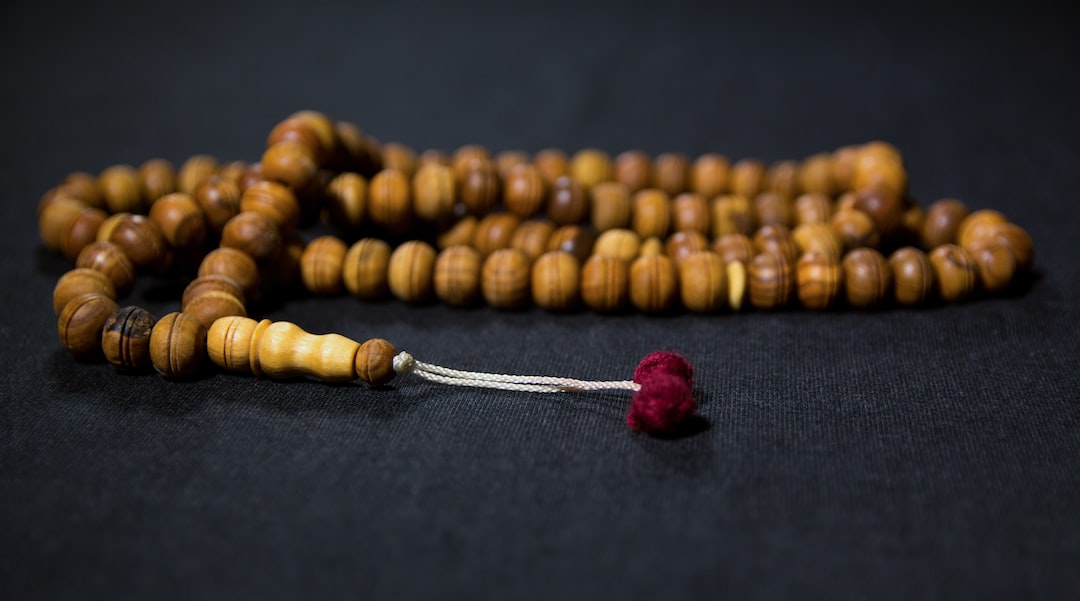
Jewelry has been a part of human culture for thousands of years. From ancient civilizations to modern times, people have adorned themselves with various types of jewelry to enhance their appearance and express their personal style. The history of jewelry dates back to prehistoric times, where early humans used natural materials such as shells, bones, and stones to create simple ornaments. As civilizations developed, so did the art of jewelry making, with the use of precious metals and gemstones becoming more prevalent.
There are many different types of jewelry, each serving a unique purpose and style. Necklaces are worn around the neck and can be made from a variety of materials such as gold, silver, or beads. Bracelets are worn around the wrist and can be made from metals, gemstones, or even leather. Earrings are worn on the ears and can range from simple studs to elaborate chandelier designs. Rings are worn on the fingers and can symbolize various meanings such as love, commitment, or achievement.
Jewelry styles have evolved over time and vary depending on personal preferences and cultural influences. Vintage jewelry refers to pieces that are at least 20 years old and often have a unique charm and character. Modern jewelry is characterized by sleek and contemporary designs that reflect current fashion trends. Minimalist jewelry focuses on simplicity and clean lines, often featuring delicate and understated designs.
Key Takeaways
- Jewelry has a rich history and comes in various types and styles.
- The value of jewelry is determined by the materials and gemstones used.
- Jewelry making involves a process from design to production.
- Appraising jewelry involves determining authenticity and quality.
- Proper maintenance and preservation are important for caring for your jewelry.
Understanding the Value of Jewelry: Materials and Gemstones
The value of jewelry is determined by various factors, including the materials used in its creation and the presence of gemstones. Common materials used in jewelry making include gold, silver, platinum, and stainless steel. Gold is one of the most popular materials due to its durability and timeless appeal. It is measured in karats, with 24 karat gold being pure gold. Silver is another popular choice for jewelry making due to its affordability and versatility. Platinum is a rare and precious metal that is known for its strength and durability.
Gemstones are another important factor in determining the value of jewelry. Gemstones can be classified into two categories: precious and semi-precious. Precious gemstones include diamonds, rubies, sapphires, and emeralds, which are highly valued for their rarity and beauty. Semi-precious gemstones include amethyst, garnet, topaz, and turquoise, which are also prized for their unique colors and properties.
The value of gemstones is determined by the “Four Cs”: carat weight, color, clarity, and cut. Carat weight refers to the size of the gemstone, with larger stones being more valuable. Color refers to the hue of the gemstone, with rare and vibrant colors being more valuable. Clarity refers to the presence of any flaws or inclusions within the gemstone, with flawless stones being more valuable. Cut refers to the way the gemstone has been shaped and faceted, with well-cut stones reflecting light and sparkle more brilliantly.
Jewelry Making Techniques: From Design to Production
The process of creating jewelry involves several stages, from design to production. The first step in jewelry making is designing the piece, which can be done by hand sketching or using computer-aided design (CAD) software. Once the design is finalized, the next step is to select the materials and gemstones that will be used.
Jewelry making techniques vary depending on the desired outcome and materials used. Casting is a common technique where molten metal is poured into a mold to create a specific shape or design. Soldering is another technique where two or more pieces of metal are joined together using heat and a soldering alloy. Other techniques include wire wrapping, stone setting, enameling, and etching.
Various tools and equipment are used in jewelry making to shape, polish, and finish the pieces. These tools include pliers, hammers, files, saws, and polishing wheels. Jewelers also use specialized equipment such as torches, kilns, and ultrasonic cleaners to aid in the production process.
The Art of Jewelry Appraisal: How to Determine Authenticity and Quality
Jewelry appraisal is the process of determining the authenticity and quality of a piece of jewelry. It is an important step in buying or selling jewelry, as it helps establish its value and authenticity. A reputable appraiser will examine the jewelry closely and assess its materials, gemstones, craftsmanship, and condition.
Several factors determine the authenticity and quality of jewelry. The first factor is the materials used. Precious metals such as gold and silver should be hallmarked to indicate their purity. Gemstones should be certified by reputable gemological laboratories to ensure their authenticity and quality.
Craftsmanship is another important factor in determining the quality of jewelry. Well-made jewelry should have smooth edges, secure settings, and a high level of detail. The overall condition of the piece is also taken into consideration, as any damage or wear can affect its value.
To find a reputable appraiser, it is important to do thorough research and ask for recommendations from trusted sources. Look for appraisers who are certified by professional organizations such as the Gemological Institute of America (GIA) or the American Society of Appraisers (ASA). It is also advisable to choose an appraiser who specializes in the type of jewelry being appraised.
Caring for Your Jewelry: Maintenance and Preservation Tips
Proper care and maintenance are essential for preserving the beauty and longevity of your jewelry. Here are some tips for cleaning and maintaining your jewelry:
– Regularly clean your jewelry using mild soap and warm water. Use a soft brush or cloth to gently scrub away any dirt or residue.
– Avoid exposing your jewelry to harsh chemicals, such as chlorine or bleach, as they can damage the metal and gemstones.
– Remove your jewelry before engaging in activities that may cause damage, such as swimming, exercising, or gardening.
– Store your jewelry in a clean and dry place, preferably in a jewelry box or pouch to prevent scratches and tangles.
– Have your jewelry professionally cleaned and inspected at least once a year to ensure its condition and prevent any potential issues.
Common mistakes to avoid when caring for jewelry include:
– Wearing jewelry while applying lotions, perfumes, or hairsprays, as these products can cause a buildup of residue on the metal and gemstones.
– Storing jewelry in a humid environment, as moisture can cause tarnishing and damage.
– Using abrasive cleaners or brushes that can scratch the metal or gemstones.
– Ignoring signs of damage or wear, as this can lead to further deterioration of the piece.
By following these maintenance and preservation tips, you can ensure that your jewelry remains beautiful and in good condition for years to come.
Jewelry Trends: Fashion and Cultural Influences
Jewelry trends are constantly evolving, influenced by fashion trends, cultural influences, and personal preferences. Here is an overview of some current jewelry trends:
– Statement earrings: Bold and oversized earrings are a popular trend, with designs featuring geometric shapes, tassels, and colorful gemstones.
– Layered necklaces: Layering multiple necklaces of different lengths and styles is a popular trend that adds depth and dimension to any outfit.
– Stackable rings: Wearing multiple rings on one finger or across multiple fingers is a trend that allows for personalization and creativity.
– Minimalist jewelry: Minimalist designs featuring clean lines and simple shapes are popular among those who prefer understated elegance.
– Personalized jewelry: Customized pieces that feature initials, birthstones, or meaningful symbols are a trend that allows for personal expression and storytelling.
Fashion trends play a significant role in shaping jewelry trends. Runway shows, fashion magazines, and celebrity endorsements often influence the popularity of certain styles and designs. Cultural influences also play a role in jewelry trends, with different cultures having their own unique styles and symbols. For example, Indian jewelry is known for its intricate designs and vibrant colors, while Scandinavian jewelry is characterized by minimalist and functional designs.
The Business of Jewelry: Marketing and Sales Strategies
The jewelry industry is a highly competitive market, with various marketing and sales strategies used to attract customers and drive sales. Here is an overview of some common strategies used in the jewelry industry:
– Branding: Establishing a strong brand identity is crucial for success in the jewelry industry. This includes creating a unique brand name, logo, and visual identity that resonates with the target audience.
– Online presence: Having a strong online presence is essential in today’s digital age. This includes having a user-friendly website, engaging social media profiles, and an e-commerce platform for online sales.
– Influencer marketing: Collaborating with influencers and celebrities who have a large following can help increase brand visibility and credibility.
– Experiential marketing: Creating memorable experiences for customers through events, pop-up shops, or interactive displays can help build brand loyalty and generate buzz.
– Personalization: Offering personalized services such as custom designs or engraving can create a unique and meaningful experience for customers.
– Customer service: Providing excellent customer service is crucial in the jewelry industry, as it involves high-value purchases and emotional significance. This includes offering knowledgeable staff, prompt responses to inquiries, and after-sales support.
Starting a jewelry business requires careful planning and research. It is important to identify your target market, understand the competition, and develop a unique selling proposition. It is also important to have a solid business plan that outlines your goals, financial projections, and marketing strategies. Building relationships with suppliers, manufacturers, and industry professionals is also crucial for success in the jewelry business.
Jewelry as a Symbol of Identity: Cultural and Personal Significance
Jewelry has long been used as a symbol of identity, representing cultural traditions, personal beliefs, and social status. Different cultures have their own unique traditions and symbols associated with jewelry. For example, in Indian culture, jewelry is often worn as a symbol of wealth and prosperity, with elaborate designs featuring gemstones and intricate patterns. In African culture, jewelry is often used to communicate social status and tribal affiliations, with designs featuring bold colors and natural materials.
Jewelry also holds personal significance for individuals, representing milestones, achievements, or sentimental value. Engagement rings and wedding bands are symbols of love and commitment. Graduation rings or class rings represent academic achievements. Family heirlooms passed down through generations hold sentimental value and connect individuals to their family history.
The choice of jewelry can also reflect personal style and self-expression. Some individuals prefer bold and statement pieces that make a statement, while others prefer minimalist designs that are understated and elegant. The choice of gemstones can also hold personal significance, with each stone believed to have its own unique properties and meanings.
Jewelry and Sustainability: Ethical and Environmental Considerations
The jewelry industry faces ethical and environmental challenges that need to be addressed for a more sustainable future. Some of the key issues include:
– Ethical sourcing: The mining of precious metals and gemstones can have negative social and environmental impacts. Ethical sourcing involves ensuring that the materials used in jewelry production are obtained responsibly, without causing harm to workers or the environment.
– Conflict diamonds: Conflict diamonds, also known as blood diamonds, are diamonds that are mined in war zones and sold to finance armed conflict against governments. The Kimberley Process Certification Scheme was established to prevent the trade of conflict diamonds and ensure that diamonds are sourced responsibly.
– Fair trade: Fair trade practices ensure that workers involved in the production of jewelry are paid fair wages and work in safe conditions. Fair trade certifications can help consumers identify jewelry that has been produced ethically.
– Environmental impact: The mining and production of jewelry can have a significant environmental impact, including deforestation, water pollution, and carbon emissions. Sustainable jewelry making practices aim to minimize these impacts by using recycled metals, responsibly sourced gemstones, and eco-friendly production methods.
Consumers can make more sustainable choices when purchasing jewelry by choosing brands that prioritize ethical and environmental considerations. Look for certifications such as Fairtrade, Responsible Jewellery Council (RJC), or the Alliance for Responsible Mining (ARM). Consider purchasing vintage or second-hand jewelry, as this reduces the demand for new materials. Finally, take care of your jewelry to ensure its longevity and reduce the need for replacement.
Collecting Jewelry: Tips for Building a Valuable and Unique Collection
Collecting jewelry can be a rewarding hobby and investment opportunity. Here are some tips for building a valuable and unique collection:
– Educate yourself: Learn about different types of jewelry, materials, gemstones, and historical periods. This will help you make informed decisions when purchasing pieces for your collection.
– Set a budget: Determine how much you are willing to spend on your collection and stick to it. It is important to set realistic expectations and not overspend.
– Research reputable sellers: When purchasing jewelry for your collection, buy from reputable sellers who can provide documentation and certifications for the pieces.
– Focus on quality: Look for well-made pieces with high-quality materials and craftsmanship. Quality pieces will retain their value over time.
– Seek unique pieces: Look for one-of-a-kind or limited-edition pieces that are not mass-produced. These pieces will be more valuable and unique.
– Consider historical significance: Pieces that have historical significance or are associated with famous individuals or events can be highly valuable and sought after.
– Take care of your collection: Properly store and maintain your collection to ensure its longevity and value. Regularly clean and inspect the pieces, and have them professionally appraised if necessary.
Building a valuable and unique jewelry collection takes time, patience, and a keen eye for quality and craftsmanship. By following these tips, you can create a collection that reflects your personal style and holds both sentimental and financial value.
More in
More from Jewelry
Jewelry · 24 min
Luxury Bridal Jewelry & Engagement Rings: The Complete Guide
Luxury bridal jewelry and engagement ring guide: master the GIA 4Cs, designer maisons, colored gemstones, custom design, insurance, and insider buying…
Jewelry · 29 min
Watch Collecting & Investment: The Complete Guide
Watch collecting and investment guide: how Rolex, Patek Philippe, Audemars Piguet and Richard Mille hold value, plus complications, auctions and 2026 …
Jewelry · 10 min
Fine Jewelry as an Alternative Asset: The Complete Investment Guide
Why Fine Jewelry Is Emerging as a Serious Asset Class Fine jewelry has quietly transformed from a passion purchase into one of the most compelling alt…