Jewelry · Jewelry
Unlocking the Value of Your Jewelry: The Importance of Certification
Jewelry certification is the process of assessing and verifying the quality, authenticity, and value of a piece of jewelry. It involves a thorough examination by experts who evalua…
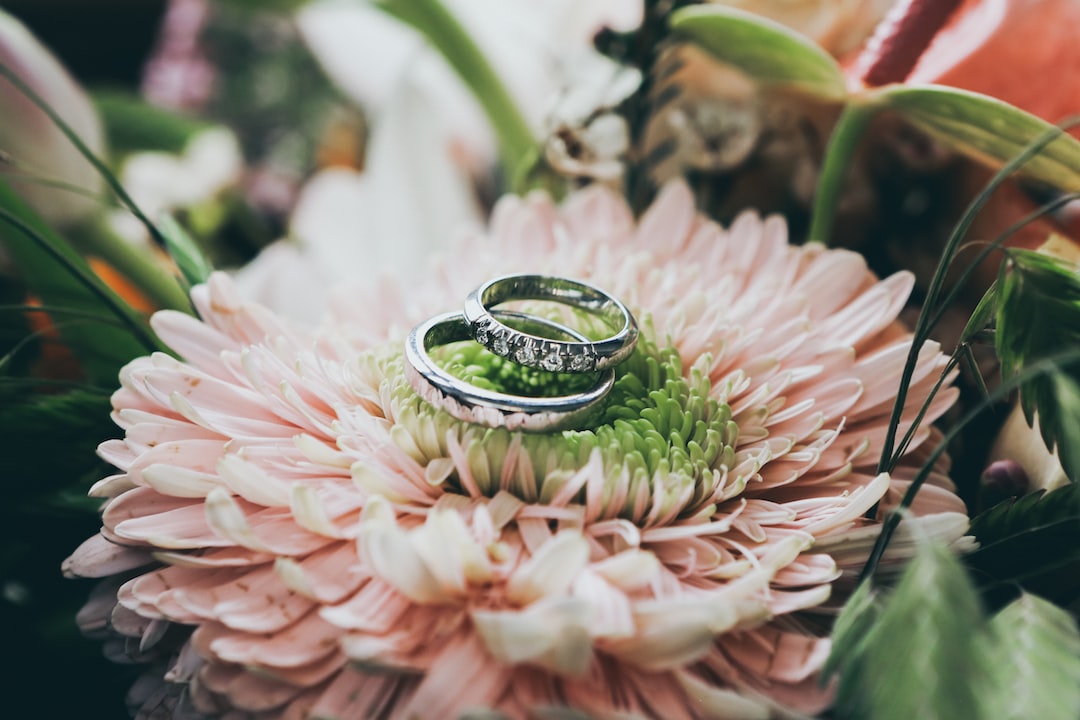
Jewelry certification is the process of assessing and verifying the quality, authenticity, and value of a piece of jewelry. It involves a thorough examination by experts who evaluate the materials, craftsmanship, and overall quality of the piece. Certification provides buyers and sellers with confidence in the authenticity and value of the jewelry.
In the jewelry industry, certification plays a crucial role in establishing trust and credibility. With so many counterfeit and low-quality pieces flooding the market, it is essential for consumers to have a way to differentiate between genuine and fake jewelry. Certification provides that assurance by providing an unbiased evaluation of the piece.
Key Takeaways
- Jewelry certification adds value to your collection by providing proof of authenticity and quality.
- There are different types of jewelry certifications, including those for diamonds, gemstones, and precious metals.
- Gemstone certification is particularly important as it verifies the identity, quality, and origin of the stone.
- Appraisals are a crucial part of jewelry certification as they determine the value of the piece.
- Jewelry certification can help you sell your pieces by providing credibility and assurance to potential buyers.
How Jewelry Certification Adds Value to Your Collection
Certification adds value to your jewelry collection in several ways. Firstly, it provides an objective assessment of the quality and authenticity of the piece. This can significantly increase its market value, as buyers are willing to pay a premium for certified jewelry.
For example, let’s consider two identical diamond rings. One is certified by a reputable gemological laboratory, while the other is not. The certified ring will command a higher price because buyers can trust that it is a genuine diamond with accurate grading information. On the other hand, the uncertified ring may raise doubts about its authenticity and quality, leading to a lower selling price.
Furthermore, certification also enhances the resale value of your jewelry. When you decide to sell your pieces in the future, having a certification will make it easier to attract potential buyers and negotiate a higher price. Buyers are more likely to trust certified jewelry and be willing to pay more for it.
Understanding the Different Types of Jewelry Certifications
There are several organizations that provide jewelry certifications, each with its own set of standards and criteria. Some of the most well-known certification organizations include the Gemological Institute of America (GIA), American Gem Society (AGS), International Gemological Institute (IGI), and European Gemological Laboratory (EGL).
The GIA is widely regarded as the most reputable and respected certification organization in the industry. They are known for their rigorous grading standards and unbiased evaluations. The AGS also has a strong reputation for their high standards and ethical practices.
Differences between certifications can vary in terms of grading criteria, the level of detail provided in the certification report, and the reputation of the organization. It is important to research and understand the specific criteria used by each certification organization before making a purchase or seeking certification for your jewelry.
The Importance of Gemstone Certification
Gemstone certification is particularly crucial as it provides buyers with confidence in the quality and authenticity of the gemstone. Gemstones are often the most valuable component of a piece of jewelry, and their quality can significantly impact its overall value.
Certification for gemstones involves a detailed examination of various factors such as color, clarity, cut, and carat weight. The certification report will provide information on these characteristics, allowing buyers to make informed decisions about their purchase.
Identifying certified gemstones can be done by looking for a certification report from a reputable gemological laboratory. The report should include detailed information about the gemstone’s characteristics, as well as any treatments or enhancements that may have been applied.
The Role of Appraisals in Jewelry Certification
Appraisals play a crucial role in the jewelry certification process. An appraisal is an expert evaluation of the value of a piece of jewelry, taking into account factors such as materials, craftsmanship, and market demand.
During an appraisal, a qualified appraiser will examine the jewelry and provide an estimate of its value based on current market conditions. This appraisal value is often used for insurance purposes or to determine the fair market value for selling or estate planning.
Appraisals are an important part of jewelry certification because they provide an independent assessment of the value of the piece. This can be especially useful when selling or insuring jewelry, as it ensures that you are receiving fair compensation for your investment.
How Jewelry Certification Can Help You Sell Your Pieces
Certification can significantly increase buyer confidence when it comes to purchasing jewelry. Buyers are more likely to trust and be willing to pay a higher price for certified jewelry, as they have assurance in the quality and authenticity of the piece.
For example, if you are selling a diamond ring, having a certification from a reputable organization such as the GIA or AGS can make a significant difference in attracting potential buyers. They will have confidence in the accuracy of the grading information and be more willing to pay a premium for the certified diamond.
Certification also provides buyers with peace of mind, knowing that they are making an informed decision and getting what they paid for. This can lead to faster and smoother transactions, benefiting both the buyer and seller.
Protecting Your Investment: The Benefits of Jewelry Certification
One of the key benefits of jewelry certification is that it protects your investment. By having your jewelry certified, you have an independent assessment of its quality and value. This can be crucial in case of loss, theft, or damage, as it provides documentation for insurance claims or legal purposes.
For example, if you have a certified diamond ring that gets stolen, having the certification report can help you accurately determine its value for insurance purposes. This ensures that you receive fair compensation for your loss.
Certification also protects against fraud and scams in the jewelry industry. With so many counterfeit and low-quality pieces on the market, it is essential to have a way to verify the authenticity and quality of your jewelry. Certification provides that assurance and helps you avoid falling victim to fraudulent transactions.
The Risks of Buying and Selling Jewelry Without Certification
Buying or selling jewelry without certification comes with significant risks. Without certification, there is no way to verify the authenticity or quality of the piece, leaving buyers vulnerable to scams and fraud.
For example, if you purchase a diamond ring without certification, you have no way of knowing if it is a genuine diamond or a lab-created imitation. This can result in a significant loss of value and disappointment when you discover that you did not get what you paid for.
Similarly, selling jewelry without certification can make it difficult to attract potential buyers and negotiate a fair price. Buyers are more likely to trust and be willing to pay a higher price for certified jewelry, as they have assurance in its quality and authenticity.
Finding a Reputable Jewelry Certification Service
When seeking jewelry certification, it is essential to find a reputable and trustworthy certification service. Here are some tips for finding the right service:
1. Research the organization: Look for certification organizations with a strong reputation and track record of providing accurate and unbiased evaluations. The GIA and AGS are widely regarded as the most reputable organizations in the industry.
2. Read reviews and testimonials: Look for reviews and testimonials from previous customers to get an idea of their experience with the certification service. Positive reviews and feedback are indicators of a trustworthy service.
3. Check for accreditation: Ensure that the certification service is accredited by recognized industry bodies. Accreditation ensures that the service meets certain standards of quality and professionalism.
4. Ask for sample reports: Request sample certification reports from the service to get an idea of the level of detail provided and the accuracy of their evaluations.
5. Seek recommendations: Ask for recommendations from trusted jewelers or industry professionals who have experience with jewelry certification. They can provide valuable insights and guidance on finding a reputable service.
It is also important to be aware of warning signs of fraudulent certification services. These may include excessively low fees, promises of unrealistically high values, lack of transparency in their evaluation process, or refusal to provide detailed reports.
Investing in Jewelry Certification for a Lifetime of Value
In conclusion, jewelry certification is a crucial aspect of the jewelry industry. It provides buyers and sellers with confidence in the authenticity, quality, and value of their jewelry. Certification adds value to your collection, protects your investment, and helps you make informed decisions when buying or selling jewelry.
By investing in jewelry certification, you can ensure that your pieces are accurately evaluated and valued. This can lead to higher selling prices, faster transactions, and protection against fraud and scams. Whether you are a buyer or seller, jewelry certification is an essential tool for maximizing the value and enjoyment of your collection.
More in
More from Jewelry
Jewelry · 24 min
Luxury Bridal Jewelry & Engagement Rings: The Complete Guide
Luxury bridal jewelry and engagement ring guide: master the GIA 4Cs, designer maisons, colored gemstones, custom design, insurance, and insider buying…

Jewelry · 29 min
Watch Collecting & Investment: The Complete Guide
Watch collecting and investment guide: how Rolex, Patek Philippe, Audemars Piguet and Richard Mille hold value, plus complications, auctions and 2026 …
Jewelry · 10 min
Fine Jewelry as an Alternative Asset: The Complete Investment Guide
Why Fine Jewelry Is Emerging as a Serious Asset Class Fine jewelry has quietly transformed from a passion purchase into one of the most compelling alt…