Unveiling the Timeless Elegance of Fine Jewelry: A Guide to Choosing the Perfect Piece
Fine jewelry holds a special place in our hearts and has been treasured for centuries. From sparkling diamonds to vibrant gemstones, fine jewelry is not only a symbol of luxury and…
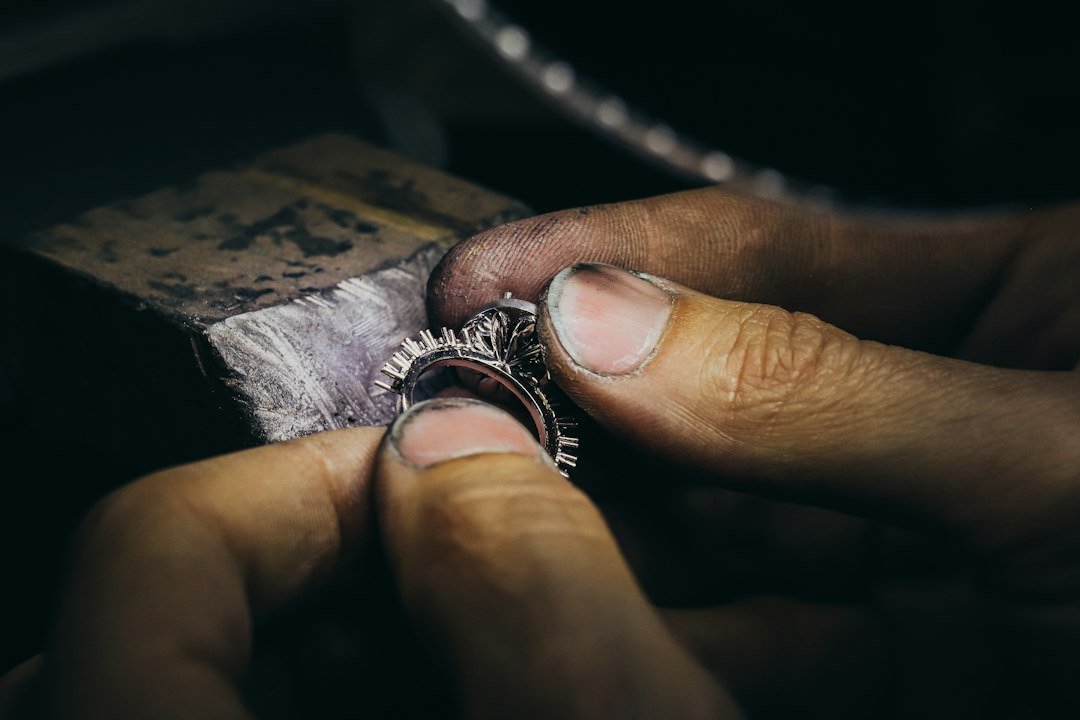
Fine jewelry holds a special place in our hearts and has been treasured for centuries. From sparkling diamonds to vibrant gemstones, fine jewelry is not only a symbol of luxury and elegance but also a reflection of personal style and individuality. Understanding the different types of fine jewelry and the factors that contribute to their value is essential for anyone looking to invest in these timeless pieces.
Key Takeaways
- Fine jewelry is a valuable investment that can be passed down for generations.
- There are different types of fine jewelry, from classic to contemporary, to suit different styles and occasions.
- The four Cs of choosing diamonds (cut, clarity, carat, and color) are important factors to consider when selecting a diamond.
- Precious stone selection requires knowledge of the gemstone’s properties and how it complements the design of the jewelry.
- Metal choice, such as gold, silver, and platinum, can affect the durability and appearance of the jewelry.
Types of Fine Jewelry
When it comes to fine jewelry, there are several different types to choose from, each with its own unique characteristics and style. Classic jewelry, such as diamond stud earrings or a simple gold necklace, never goes out of style and is perfect for everyday wear. Contemporary jewelry, on the other hand, offers a more modern and artistic approach, with bold designs and unconventional materials. Bridal jewelry is specifically designed for weddings and includes engagement rings, wedding bands, and other accessories. Statement jewelry is all about making a bold statement and often features large gemstones or intricate designs.
The Four Cs of Choosing Diamonds
Diamonds are one of the most popular choices for fine jewelry, and understanding the four Cs – cut, clarity, carat, and color – is crucial when selecting the perfect diamond. The cut refers to how well a diamond has been shaped and faceted, affecting its brilliance and sparkle. Clarity measures the presence of any internal or external flaws in the diamond. Carat is the unit of weight used to measure diamonds, with larger carat weights generally being more valuable. Finally, color refers to the presence of any yellow or brown tints in a diamond, with colorless diamonds being the most valuable.
Precious Stone Selection
In addition to diamonds, there are many other precious gemstones to choose from when it comes to fine jewelry. When selecting a gemstone, it’s important to consider factors such as durability, color, and meaning. For example, sapphires are known for their vibrant blue color and symbolize wisdom and loyalty, while emeralds are prized for their rich green hue and represent love and rebirth. Rubies, with their deep red color, are associated with passion and power. Understanding the meanings behind different gemstones can add a deeper layer of significance to your fine jewelry collection.
Metal Choice
The choice of metal for your fine jewelry is another important consideration. Gold is a classic choice and comes in various colors, including yellow, white, and rose gold. It is known for its durability and timeless appeal. Silver is a more affordable option and offers a sleek and modern look. Platinum is a rare and precious metal that is highly valued for its strength and purity. Other metals, such as titanium or stainless steel, can also be used in fine jewelry for their unique properties.
Design in Fine Jewelry
The design of a piece of fine jewelry can greatly impact its overall aesthetic and appeal. Some people prefer simple and minimalist designs that can be worn every day, while others gravitate towards more intricate and ornate pieces for special occasions. Custom jewelry options allow you to create a one-of-a-kind piece that perfectly reflects your personal style and preferences. Whether you prefer a classic solitaire diamond ring or a bold statement necklace, the design of your fine jewelry should be a reflection of your individuality.
Brand and Designer
Choosing a trusted brand or designer is essential when investing in fine jewelry. Established brands often have a long-standing reputation for quality craftsmanship and use only the finest materials. Popular fine jewelry brands include Tiffany & Co. Cartier, and Harry Winston. Additionally, many designers specialize in creating unique and innovative pieces that cater to individual tastes. Researching different brands and designers can help you find the perfect piece of fine jewelry that meets your expectations in terms of quality and style.
Dos and Don’ts of Wearing Fine Jewelry
When it comes to wearing fine jewelry, there are a few dos and don’ts to keep in mind. For everyday wear, it’s important to choose pieces that are durable and can withstand regular use. Avoid wearing fine jewelry while engaging in activities that may cause damage, such as sports or gardening. It’s also important to properly store and clean your fine jewelry to maintain its beauty and shine. For special occasions, feel free to experiment with bolder and more extravagant pieces that make a statement and complement your outfit.
Ethics of Fine Jewelry
In recent years, there has been a growing concern about the ethics of the fine jewelry industry. It is important to consider the sourcing and sustainability of the materials used in fine jewelry. Many brands now offer ethically sourced diamonds and gemstones, as well as use recycled metals. Fair trade practices ensure that workers involved in the production of fine jewelry are treated fairly and receive fair wages. By choosing brands that prioritize ethical practices, you can enjoy your fine jewelry with peace of mind.
Investment Value of Fine Jewelry
Fine jewelry can also be seen as an investment, as its value can appreciate over time. When buying fine jewelry as an investment, it’s important to consider factors such as rarity, quality, and demand. Investing in classic pieces that have stood the test of time is often a safe bet. Additionally, keeping your fine jewelry in good condition and having it appraised regularly can help you determine its current value. When selling fine jewelry, it’s important to research the market and work with reputable buyers to ensure you receive a fair price.
In conclusion, understanding the different types of fine jewelry and the factors that contribute to their value is essential for anyone looking to invest in these timeless pieces. Whether you prefer classic or contemporary designs, diamonds or gemstones, gold or platinum, there is a wide range of options available to suit your personal style and preferences. By choosing trusted brands and designers, considering ethical practices, and understanding the investment value of fine jewelry, you can enjoy these exquisite pieces for years to come. Fine jewelry is not just about adornment, but also a reflection of our individuality and a celebration of the beauty that surrounds us.
More from Jewelry
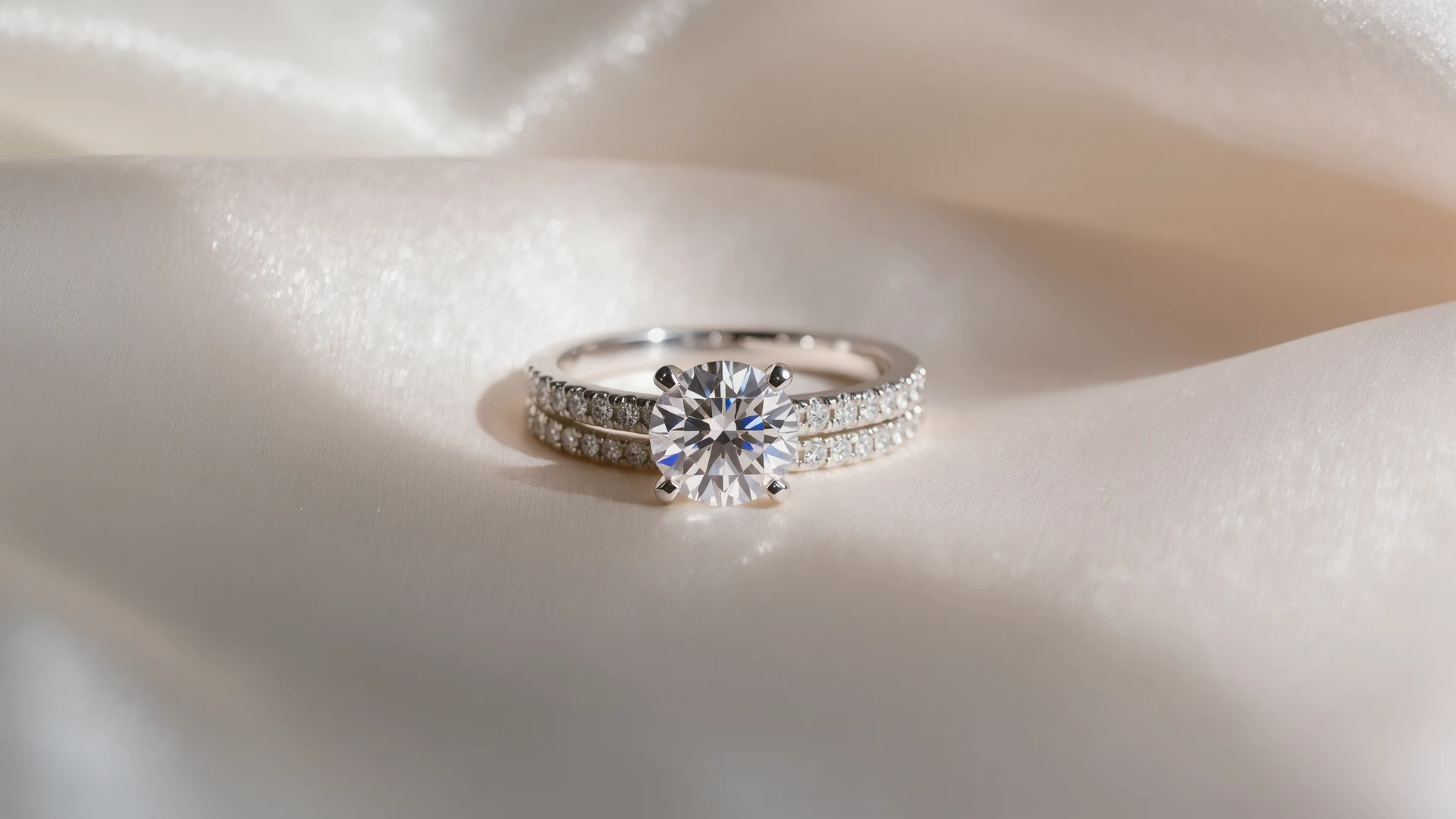
Luxury Bridal Jewelry & Engagement Rings: The Complete Guide
Luxury bridal jewelry and engagement ring guide: master the GIA 4Cs, designer maisons, colored gemstones, custom design, insurance, and insider buying…
Watch Collecting & Investment: The Complete Guide
Watch collecting and investment guide: how Rolex, Patek Philippe, Audemars Piguet and Richard Mille hold value, plus complications, auctions and 2026 …
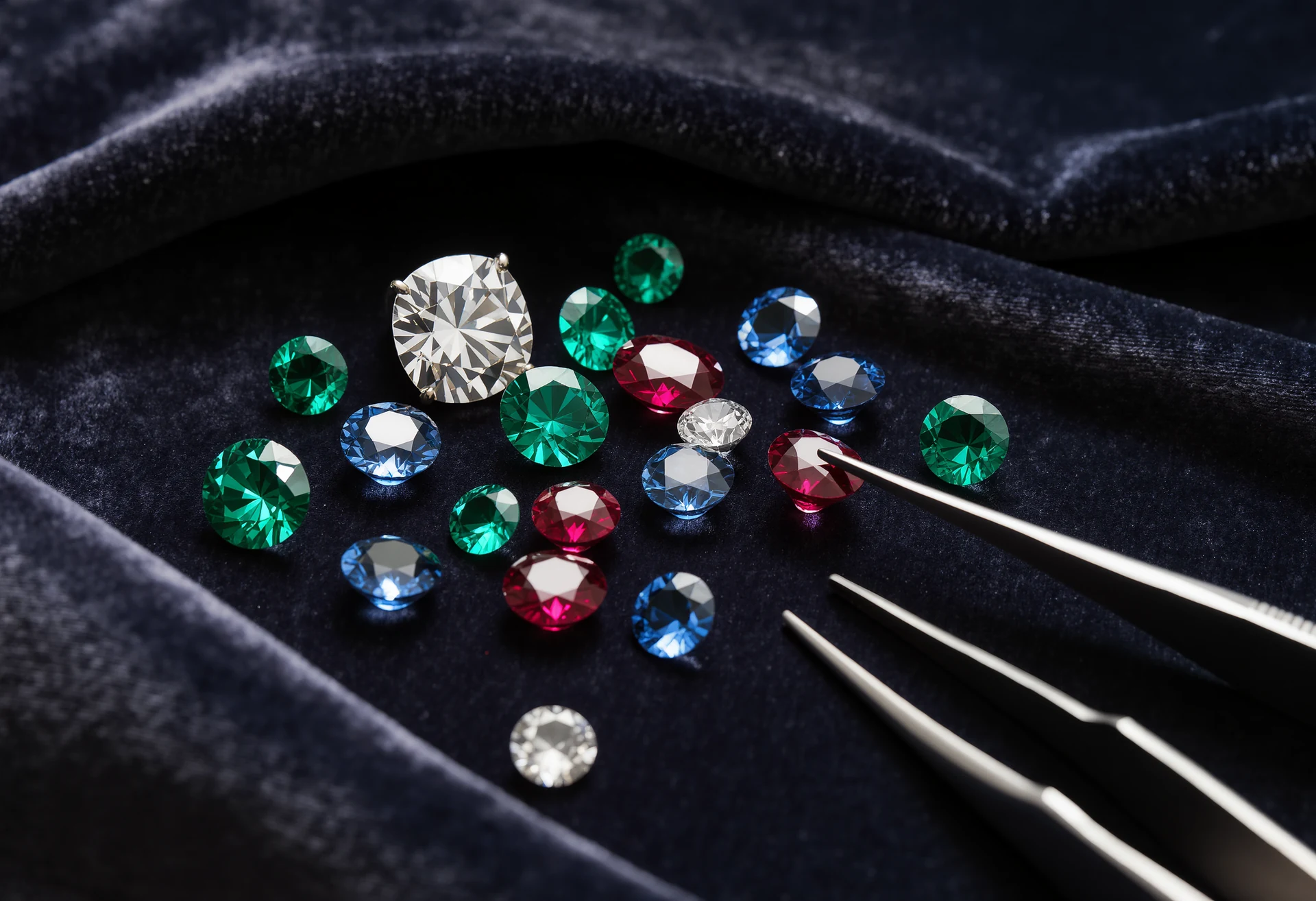
Fine Jewelry as an Alternative Asset: The Complete Investment Guide
Why Fine Jewelry Is Emerging as a Serious Asset Class Fine jewelry has quietly transformed from a passion purchase into one of the most compelling alt…