Jewelry · Jewelry
Unveiling the World of High Jewelry: A Glimpse into the Art of Luxury Craftsmanship
High jewelry is the epitome of luxury and craftsmanship in the world of fashion. It represents the pinnacle of design, artistry, and exclusivity. High jewelry pieces are meticulous…

High jewelry is the epitome of luxury and craftsmanship in the world of fashion. It represents the pinnacle of design, artistry, and exclusivity. High jewelry pieces are meticulously crafted using the finest materials and gemstones, resulting in exquisite creations that are cherished for generations. In this article, we will delve into the fascinating world of high jewelry, exploring its history, artistry, design process, cultural significance, investment value, and future trends.
Key Takeaways
- High jewelry has a rich history dating back to ancient times, with techniques and materials evolving over time.
- Gemstones play a crucial role in high jewelry, with their rarity and value determining their worth.
- Design is essential in creating unique and timeless high jewelry pieces.
- The craftsmanship process of high jewelry involves a meticulous and intricate process from sketch to finished product.
- High jewelry is becoming increasingly integrated into fashion collections, with luxury brands showcasing their pieces on the runway.
The History of High Jewelry: From Ancient Times to Modern Day
The history of high jewelry dates back thousands of years, with evidence of its existence in ancient civilizations such as Egypt, Mesopotamia, and India. In these early civilizations, jewelry was not only a form of adornment but also a symbol of wealth and power. High jewelry pieces were often crafted for royalty and nobility, using precious metals and gemstones.
Throughout history, high jewelry has evolved in style and design, reflecting the changing tastes and cultural influences of different eras. During the Renaissance period, for example, high jewelry became more intricate and ornate, with designs inspired by nature and mythology. In the Art Nouveau era, high jewelry took on a more organic and fluid form, with motifs such as flowers and insects.
Some famous high jewelry pieces from different eras include the Hope Diamond from the 17th century, the Cartier Tutti Frutti necklace from the Art Deco period, and the Bulgari Serpenti bracelet from the 20th century.
The Art of High Jewelry: Techniques and Materials Used in Luxury Craftsmanship
The artistry behind high jewelry is truly remarkable. It requires a combination of traditional craftsmanship techniques and innovative design concepts. High jewelry pieces are often handmade by skilled artisans who have spent years honing their craft.
Craftsmanship techniques used in high jewelry include stone setting, metalwork, enameling, and engraving. Stone setting involves securely placing gemstones into metal settings, ensuring that they are held in place and enhance the overall design. Metalwork involves shaping and manipulating precious metals such as gold and platinum to create intricate designs and structures. Enameling is the process of applying colored glass or powdered glass to metal surfaces, creating vibrant and detailed patterns. Engraving involves carving designs onto metal surfaces, adding texture and depth to the piece.
The materials used in high jewelry are of the highest quality. Precious metals such as gold, platinum, and silver are often used as the base for high jewelry pieces. These metals provide a strong foundation for gemstones and allow for intricate detailing. Gemstones, including diamonds, rubies, emeralds, and sapphires, are the stars of high jewelry. These precious stones are carefully selected for their color, clarity, cut, and carat weight.
The Role of Gemstones in High Jewelry: Understanding the Value and Rarity of Precious Stones
Gemstones play a crucial role in high jewelry, adding beauty, value, and rarity to each piece. There are several types of gemstones used in high jewelry, each with its own unique characteristics.
Diamonds are the most coveted gemstones in high jewelry. Known for their brilliance and durability, diamonds are often used as center stones or accent stones in high jewelry pieces. Other popular gemstones include rubies, which symbolize passion and love; emeralds, which represent growth and renewal; and sapphires, which symbolize wisdom and loyalty.
The value and rarity of gemstones are determined by several factors. The 4Cs, color, clarity, cut, and carat weight, are used to assess the quality of a gemstone. The color of a gemstone can range from colorless to vividly colored, with rare colors such as pink or blue commanding higher prices. Clarity refers to the presence of any internal or external flaws in a gemstone, with flawless stones being the most valuable. The cut of a gemstone refers to its shape and proportions, with well-cut stones reflecting light and maximizing their brilliance. Carat weight is a measure of a gemstone’s size, with larger stones being more valuable.
The Importance of Design in High Jewelry: Creating Unique and Timeless Pieces
Design is a crucial element in high jewelry, as it sets the piece apart and makes it unique. High jewelry designers are skilled in creating pieces that are not only visually stunning but also timeless and enduring.
The design process in high jewelry begins with inspiration. Designers draw inspiration from various sources, including nature, art, architecture, and cultural influences. They then sketch their ideas, translating their vision onto paper. These sketches serve as the blueprint for the final piece.
Creating unique and timeless pieces is essential in high jewelry because these pieces are often passed down through generations. High jewelry is not just a fashion statement; it is an heirloom that carries sentimental value and tells a story. By creating pieces that stand the test of time, high jewelry designers ensure that their creations will be cherished for years to come.
The Craftsmanship Process of High Jewelry: From Sketch to Finished Product
The craftsmanship process of high jewelry is a labor-intensive and time-consuming endeavor. It involves several stages, each requiring precision and attention to detail.
The first stage of the craftsmanship process is the creation of a wax or metal model based on the designer’s sketch. This model serves as a three-dimensional representation of the final piece and allows the artisan to visualize how the piece will look.
Once the model is approved, the artisan begins the metalwork stage. This involves shaping and manipulating precious metals to create the structure of the piece. Intricate detailing, such as filigree work or engraving, may also be done at this stage.
After the metalwork is complete, the gemstones are carefully set into the piece. Stone setting requires great skill and precision to ensure that the stones are securely held in place and enhance the overall design.
The final stage of the craftsmanship process is polishing and finishing. The piece is carefully polished to bring out its shine and luster. Any final adjustments or touch-ups are made to ensure that the piece is flawless.
The Role of High Jewelry in Fashion: How Luxury Brands are Incorporating High Jewelry into their Collections
High jewelry has always had a close relationship with fashion. Luxury brands often incorporate high jewelry into their collections, showcasing these exquisite pieces alongside their ready-to-wear designs.
High jewelry adds a touch of glamour and sophistication to fashion shows and events. It elevates the overall aesthetic and creates a sense of luxury and exclusivity. High jewelry pieces are often worn by models on the runway or displayed in glass cases for attendees to admire.
Luxury brands also collaborate with high jewelry designers to create limited-edition collections or one-of-a-kind pieces. These collaborations bring together the expertise of both fashion and high jewelry, resulting in unique and highly sought-after creations.
The Significance of High Jewelry in Culture: Celebrating Milestones and Traditions with Precious Gems
High jewelry plays a significant role in various cultures around the world. It is often used to celebrate milestones, mark special occasions, and honor traditions.
In many cultures, high jewelry is an integral part of wedding ceremonies. Brides often wear high jewelry pieces, such as necklaces, earrings, or bracelets, as a symbol of their status and wealth. These pieces are often passed down through generations, becoming family heirlooms.
High jewelry is also used to celebrate other milestones, such as birthdays, anniversaries, and achievements. It is a way to commemorate these special moments and create lasting memories.
In some cultures, high jewelry is associated with religious or spiritual beliefs. Certain gemstones are believed to have healing properties or bring good luck and protection. High jewelry pieces featuring these gemstones are worn as a form of spiritual adornment.
The Investment Value of High Jewelry: Understanding the Market and the Resale Potential of Luxury Pieces
High jewelry is not only a luxury item but also an investment. The value of high jewelry pieces can appreciate over time, making them a desirable asset for collectors and investors.
Several factors determine the investment value of high jewelry. The rarity and quality of the gemstones used in the piece play a significant role. Rare gemstones, such as colored diamonds or natural pearls, are highly sought after and command higher prices.
The brand or designer also influences the investment value of high jewelry. Pieces from renowned luxury brands, such as Cartier or Bulgari, often have higher resale potential due to their brand reputation and desirability.
The condition and provenance of a high jewelry piece also affect its investment value. Pieces in excellent condition, with all original components and documentation, are more valuable. Pieces with a notable history or connection to a famous individual may also command higher prices.
The Ethics of High Jewelry: Examining the Industry’s Efforts towards Sustainability and Fair Trade
In recent years, there has been a growing focus on sustainability and fair trade in the luxury industry, including high jewelry. Luxury brands and high jewelry designers are making efforts to ensure that their practices are ethical and environmentally responsible.
One area of concern is the sourcing of gemstones and precious metals. Luxury brands are increasingly working with suppliers who adhere to strict ethical standards, ensuring that gemstones and metals are sourced responsibly and without harm to the environment or local communities.
Another area of focus is the treatment of artisans and workers involved in the production of high jewelry. Luxury brands are committed to fair trade practices, ensuring that workers are paid fair wages and provided with safe working conditions.
Additionally, there is a growing trend towards using sustainable materials in high jewelry. Some designers are incorporating recycled metals or lab-grown gemstones into their pieces, reducing the environmental impact of the industry.
The Future of High Jewelry: Exploring New Trends and Innovations in Luxury Craftsmanship
The future of high jewelry is filled with exciting possibilities. As technology continues to advance, new trends and innovations are emerging in luxury craftsmanship.
One trend is the use of unconventional materials in high jewelry. Designers are experimenting with materials such as wood, ceramic, or even 3D-printed metals to create unique and avant-garde pieces.
Technology is also playing a significant role in the future of high jewelry. 3D printing, for example, allows designers to create intricate and complex designs that were previously impossible to achieve by hand. Virtual reality and augmented reality are being used to enhance the shopping experience, allowing customers to try on high jewelry pieces virtually.
Sustainability and ethical practices will continue to be a focus in the future of high jewelry. Luxury brands will strive to reduce their environmental footprint and ensure that their supply chains are transparent and responsible.
High jewelry is a testament to the artistry, craftsmanship, and luxury that define the fashion industry. It has a rich history, with each era leaving its mark on the design and style of high jewelry pieces. The artistry behind high jewelry is awe-inspiring, with skilled artisans using traditional techniques to create exquisite pieces. Gemstones play a crucial role in high jewelry, adding value and rarity to each piece. Design is essential in high jewelry, as it creates unique and timeless pieces that are cherished for generations. High jewelry has a significant cultural significance, celebrating milestones and traditions with precious gems. It also holds investment value, with certain pieces appreciating over time. The future of high jewelry is filled with new trends and innovations, as technology continues to advance. Sustainability and ethical practices will continue to be a focus, ensuring that high jewelry remains a symbol of luxury and responsibility in the fashion industry.
More in
More from Jewelry
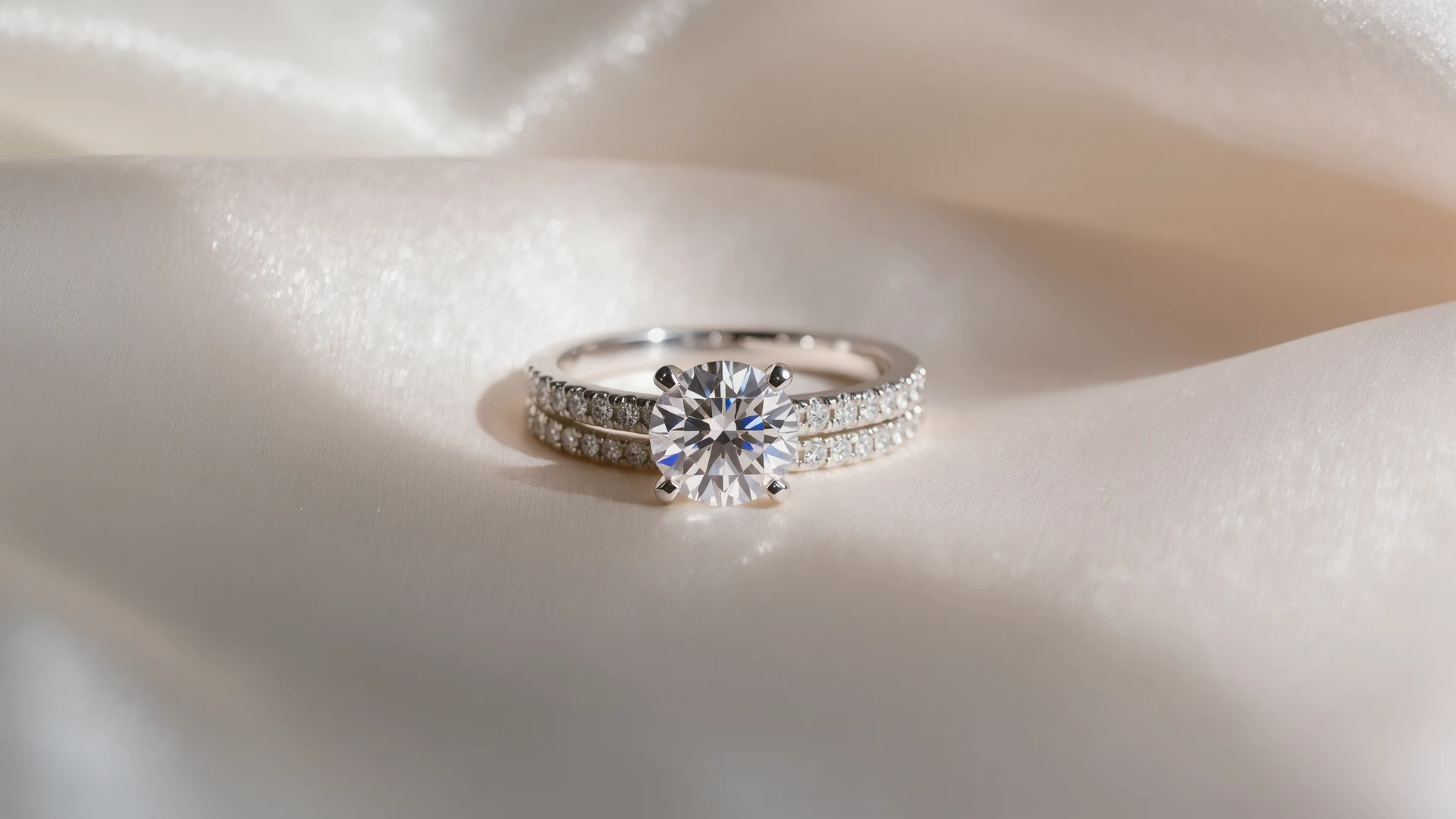
Jewelry · 24 min
Luxury Bridal Jewelry & Engagement Rings: The Complete Guide
Luxury bridal jewelry and engagement ring guide: master the GIA 4Cs, designer maisons, colored gemstones, custom design, insurance, and insider buying…
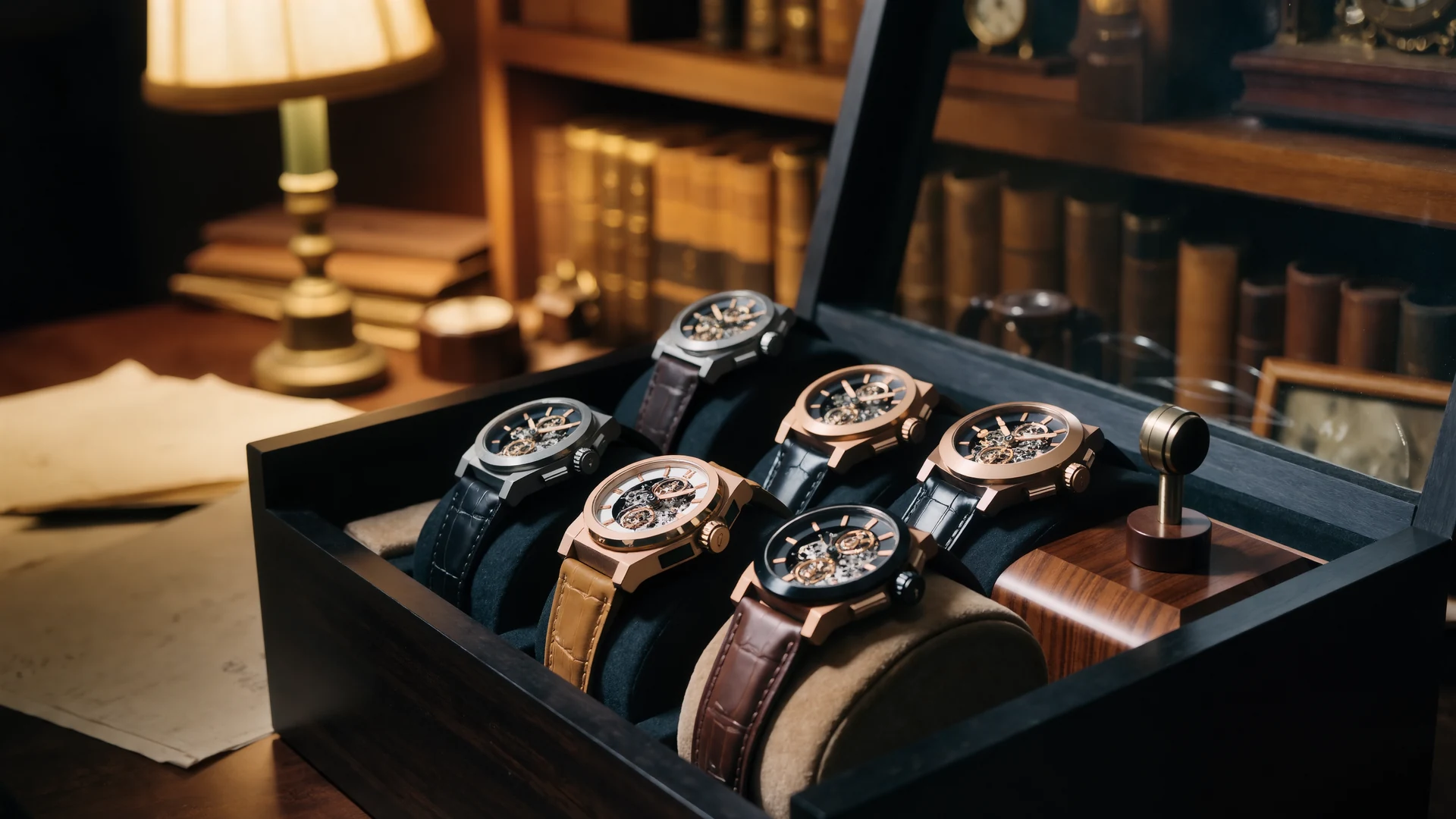
Jewelry · 29 min
Watch Collecting & Investment: The Complete Guide
Watch collecting and investment guide: how Rolex, Patek Philippe, Audemars Piguet and Richard Mille hold value, plus complications, auctions and 2026 …
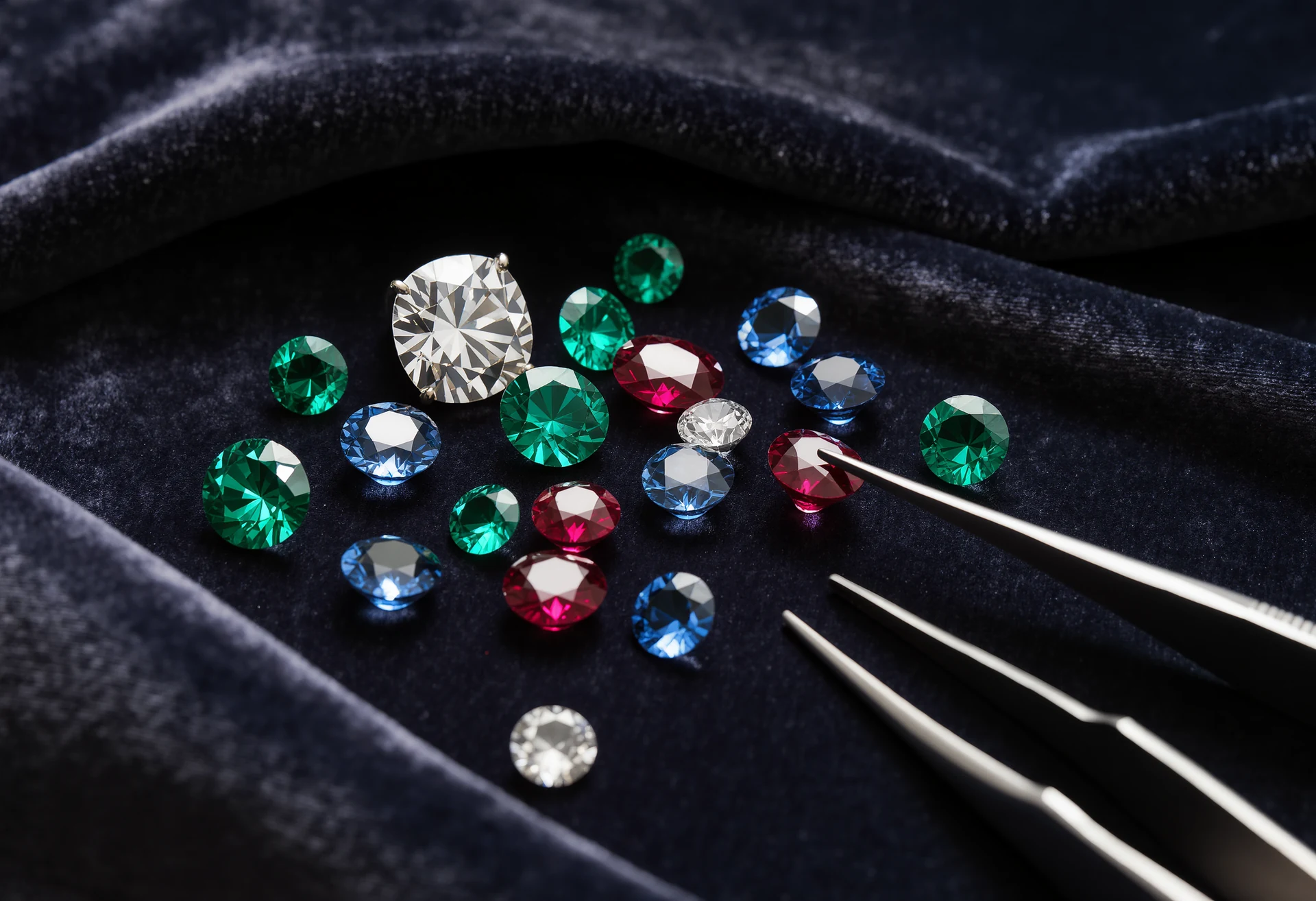
Jewelry · 10 min
Fine Jewelry as an Alternative Asset: The Complete Investment Guide
Why Fine Jewelry Is Emerging as a Serious Asset Class Fine jewelry has quietly transformed from a passion purchase into one of the most compelling alt…